Replacing an Asbestos Cement Garage Roof: Is Polycarbonate the Right Swap?

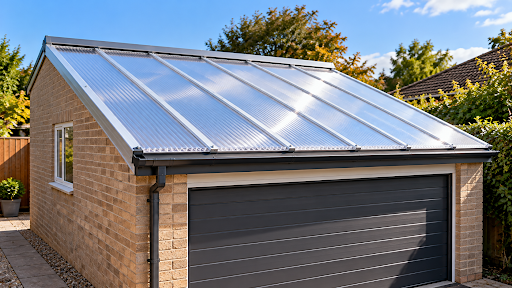
Thousands of UK garages built before 2000 still carry asbestos cement roofs. Most owners are now looking to replace them, and polycarbonate is a common choice for good reason.
Polycarbonate is a lightweight material that lets in daylight and keeps the garage well lit. That makes it one of the most popular replacements for an old asbestos cement garage roof.
But before you go all in on garage roof sheet replacement, you should know asbestos must be removed safely and legally. While UK regulations permit non-licensed removal of cement sheets, using a qualified specialist is the safest way to strip the roof without releasing dangerous airborne fibers.
Now that the old roof is removed, here is why replacing asbestos cement in the first place is so urgent.
Why Asbestos Cement Roofs Are Being Replaced
In the past, homeowners used asbestos cement on garage roofs. However, they were unaware of its risks. The sheets are safe while intact. But they grow fragile and brittle with age. A weathered asbestos roof can:
- Crack
- Let in water
- Release fibres if it is damaged
That ageing is why so many are being removed now. Owners want a roof that is safe, watertight, and fit for another few decades. A set of modern polycarbonate garage roof sheets caters to all three.
Is Polycarbonate the Right Replacement?
For most garages, yes. Polycarbonate suits a garage roof better than almost any other material, and the reasons are practical.
Polycarbonate offers a few clear advantages for garage roofs:
- It is lightweight and easy to handle on an old frame
- It lets natural light through, brightening the garage below
- It resists impact and will not shatter like glass
- It cuts to your exact roof size for a clean fit
- It costs less than many traditional roofing materials
Polycarbonate garage roof panels give you a bright, dry, durable roof for a sensible price. For a standard garage, that combination is hard to beat.
How to Replace an Asbestos Cement Garage Roof With Polycarbonate
Replacing the roof is a two-stage job:
- Remove the asbestos safely and legally
- Then fit the new polycarbonate
Step 1: Confirm Asbestos and Assess Condition
Garages built before 2000 often contain asbestos. Before taking action, verify the material to determine the legal disposal process.
| Action Step | Requirement |
| Lab Testing | Send a sample to a UKAS-accredited laboratory for testing. |
| Physical Safety | Do not drill, saw, or break sheets during inspection. |
| Visual Assessment | Identify cracks or crumbling areas that need delicate handling. |
Key Rule: Asbestos cement is stable when intact. Danger arises when disturbed fibers become airborne.
Step 2: Arrange Safe and Legal Removal
Under the Control of Asbestos Regulations 2012, removing bonded asbestos cement does not legally require a licensed contractor. However, because the job carries real safety risks, untrained DIY removal is strongly discouraged.
Dampen surfaces:
Spray water to stop airborne fiber release.
Use proper PPE:
Wear FFP3 masks and disposable coveralls.
Hire professionals:
Use insured, trained contractors for working at height.
Ensure legal waste tracking:
Transport materials via Environment Agency-registered carriers to licensed disposal sites.
Step 3: Prepare and Repair the Frame
Inspect the bare structure thoroughly after removing old materials. Hidden decay often damages underlying supports.
Structural check:
Inspect exposed timber or steel rafters for rot and rust.
Framing repairs:
Replace any compromised beams before fitting new panels.
Slope verification:
Confirm a minimum five-degree fall so rainwater drains freely.
Step 4: Install New Polycarbonate Roof Sheets
Careful measurement ensures long-term weatherproofing. Order your garage roof sheets pre-cut to fit rafter spacing accurately.
| Component | Installation Guideline |
| Flute Alignment | Run internal channels down the slope for proper drainage. |
| Edge Sealing | Apply glazing bars and breathable tape to open ends. |
| Fasteners | Secure panels with rubber sealing washers. |
| Thermal Space | Leave minor clearance around fixings to allow expansion in summer heat. |
Avoid overtightening fasteners. Over-compressed sheets crack quickly during cold weather.
Getting the Swap Done Right
A good garage roof replacement is simple once the order is clear:
- Remove the asbestos safely
- Sort the frame
- Then fit the new roof
Rushing the asbestos stage is the one mistake you cannot afford, so treat that part with full care.
Begin by getting your roof tested and booking competent removal. Once the frame is clear and sound, quality polycarbonate roofing sheets cut to your measurements turn a tired asbestos garage into a bright, dry, and safe one for years to come.
FAQs
Do I legally need a licensed contractor to remove an asbestos garage roof?
No, bonded asbestos cement is non-licensed work under UK regulations. It must still follow HSE safe methods, and a trained, insured contractor is the safest choice for a whole roof.
How much does asbestos garage roof removal cost in the UK?
Removal of a typical single garage roof generally runs from several hundred pounds, depending on size, height, and access. Always confirm the quote includes licensed disposal and a waste consignment note.
Can I put polycarbonate straight onto my old garage frame?
Usually yes, once the asbestos is removed and the frame checked as sound. Repair any weak rafters first, then fit the new sheets cut to your measurements.
How long will a polycarbonate garage roof last?
A quality polycarbonate roof lasts ten years or more with proper fitting. Built-in UV protection keeps the sheets from yellowing over that time.