Why Architecture and Interior Design Firms Are Using AI Video to Present Concepts to Clients

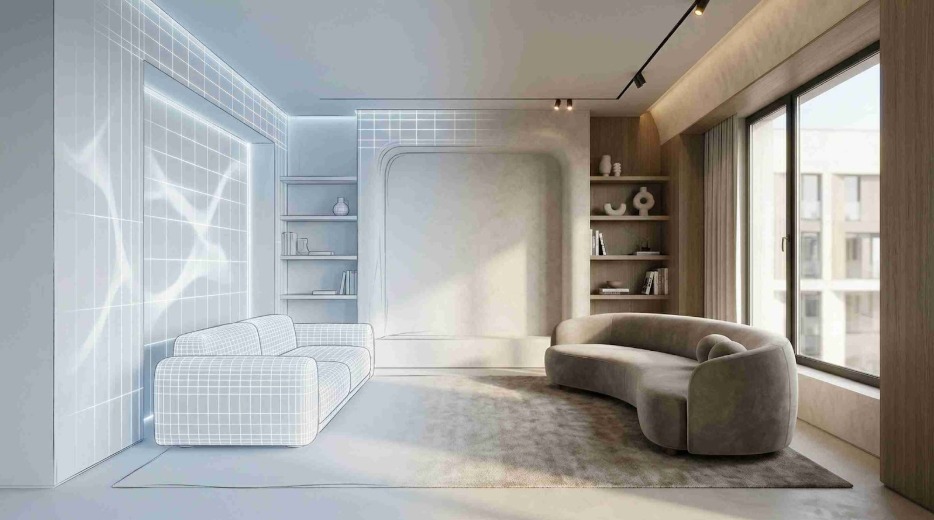
Architecture and interior design have always been visual industries. The ability to communicate ideas clearly to clients is just as important as the design itself. But for decades, firms have relied on static drawings, 3D renders, mood boards, and presentations to explain complex concepts.
While these methods are still valuable, they often fall short when it comes to helping clients truly understand a space before it is built. A floor plan can show dimensions, and a render can show aesthetics, but neither fully captures how a space will feel, flow, or function in real life.
In 2026, this gap is being filled by AI-powered video. Instead of showing isolated visuals, firms are now presenting complete visual experiences. The result is a more immersive, engaging, and persuasive way to communicate design ideas.
The Communication Challenge in Design Projects
One of the biggest challenges architects and designers face is translating vision into understanding.
Clients often struggle with:
- Interpreting technical drawings
- Visualizing scale and proportions
- Understanding spatial flow
- Imagining how materials and lighting will look together
This disconnect can lead to multiple revisions, delays, and sometimes dissatisfaction.
Design is not just about accuracy. It is about perception. If the client cannot visualize the outcome, even the best design can fail to convince.
Why Video Is Becoming the Preferred Presentation Format
Video changes how design concepts are communicated.
Instead of static visuals, video allows firms to:
- Show movement through spaces
- Demonstrate how light interacts with materials
- Highlight transitions between rooms
- Create a realistic sense of scale
This creates a more intuitive understanding for clients.
The growing dominance of video across industries reinforces this shift. Around 91 percent of businesses now use video as a marketing tool, and a large majority see it as essential for engagement and communication.
This same behavior applies to design clients. They respond better to content that is visual, dynamic, and easy to consume.
How AI Video Generators Are Changing Design Workflows
Traditionally, creating architectural walkthrough videos required:
- Advanced rendering software
- Long processing times
- Skilled animation teams
This made video production expensive and time-consuming.
AI has simplified this process.
With tools like Higgsfield, firms can now create walkthrough-style visuals and concept presentations much faster. Using an ai video generator, designers can transform static concepts into motion-based presentations without complex production workflows.
This allows teams to focus more on design and less on technical execution.
1. Turning Static Designs Into Immersive Experiences
The biggest advantage of an ai video generator is its ability to bring designs to life.
Instead of showing a single render, firms can:
- Create walkthrough-style visuals
- Simulate real-world movement
- Show how a user would experience the space
Higgsfield enables designers to present concepts in a way that feels realistic and immersive.
An ai video generator helps clients move beyond imagination and actually experience the design.
2. Improving Client Understanding and Confidence
One of the main reasons projects face delays is lack of clarity during the approval stage.
AI video helps solve this by:
- Making concepts easier to understand
- Reducing ambiguity in design decisions
- Helping clients visualize the final outcome
With an ai video generator, firms can present ideas in a clear and structured way.
Higgsfield supports this by enabling visually consistent and easy-to-follow presentations.
This leads to faster approvals and more confident clients.
3. Reducing Revision Cycles
Revisions are often caused by misunderstandings rather than actual design issues.
AI video minimizes this by:
- Providing a complete view of the project
- Highlighting details that static visuals may miss
- Ensuring alignment between designer and client
An ai video generator allows firms to address potential concerns early in the process.
Higgsfield helps reduce back-and-forth communication, saving both time and resources.
4. Enhancing Design Storytelling
Design is not just technical. It is emotional and experiential.
AI video allows firms to:
- Tell a story around the space
- Showcase lifestyle and usage
- Highlight design intent
With an ai video generator, presentations become more than just explanations. They become narratives.
Higgsfield enables designers to create visually engaging stories that resonate with clients.
5. Saving Time in Presentation Creation
Creating high-quality presentations can be time-consuming.
AI video speeds up this process by:
- Automating visual transitions
- Simplifying content creation
- Reducing manual effort
An ai video generator allows teams to produce presentation-ready content quickly.
Higgsfield makes it easier to iterate and refine concepts without starting from scratch.
6. Scaling Design Presentations Across Projects
Large firms often handle multiple projects simultaneously.
Maintaining quality and consistency across presentations can be challenging.
AI video enables:
- Scalable content creation
- Standardized presentation formats
- Consistent visual quality
With an ai video generator, firms can handle more projects without compromising on presentation quality.
Higgsfield supports this scalability by providing efficient workflows.
7. Improving Marketing and Client Acquisition
Design presentations are not just for existing clients. They are also a powerful marketing tool.
AI video helps firms:
- Showcase portfolios more effectively
- Create engaging social media content
- Attract new clients
Video content is proven to drive engagement, with a significant percentage of marketers reporting increased leads and sales through video.
Using an ai video generator, firms can turn their designs into high-impact marketing assets.
Higgsfield enables this by making high-quality video creation accessible.
8. Supporting Remote Client Collaboration
Modern design projects often involve remote clients.
AI video improves collaboration by:
- Providing clear visual communication
- Reducing the need for in-person meetings
- Allowing clients to review concepts anytime
With an ai video generator, firms can share ideas in a format that is easy to understand regardless of location.
Higgsfield helps maintain strong communication even in remote workflows.
9. Increasing Competitive Advantage
The design industry is becoming more competitive.
Firms that adopt AI video gain:
- Better presentation quality
- Faster turnaround times
- Higher client satisfaction
An ai video generator allows firms to differentiate themselves by offering a more modern and engaging experience.
Higgsfield plays a role in helping firms stay ahead of competitors.
10. Aligning With Modern Content Expectations
Clients today are influenced by digital content.
They expect:
- High-quality visuals
- Engaging presentations
- Easy-to-understand concepts
Video meets all these expectations.
Research shows that video content continues to dominate digital consumption, with a large share of online traffic driven by video.
An ai video generator allows design firms to align with these expectations and deliver content that feels modern and relevant.
Higgsfield supports this shift by enabling visually rich outputs.
The Strategic Shift in Design Communication
AI video is not just a tool. It represents a shift in how design is communicated.
Instead of focusing only on technical accuracy, firms are now focusing on:
- Experience
- Clarity
- Engagement
An ai video generator plays a central role in this transformation.
Higgsfield enables firms to move from static presentations to immersive storytelling.
Challenges to Consider
While AI video offers many advantages, there are still considerations:
- Avoiding overly polished but unrealistic visuals
- Maintaining authenticity in design representation
- Ensuring accuracy in materials and proportions
An ai video generator should enhance communication, not distort it.
The best results come from combining AI capabilities with strong design expertise.
Future of Design Presentations
The future of architecture and interior design presentations will be more immersive and interactive.
We can expect:
- Real-time design visualization
- Interactive walkthroughs
- Personalized client experiences
AI video will continue to play a major role in this evolution.
Higgsfield and similar platforms are already shaping how design ideas are communicated and experienced.
Conclusion
Architecture and interior design are no longer just about creating spaces. They are about communicating ideas clearly and convincingly.
AI video is helping firms:
- Simplify complex concepts
- Improve client understanding
- Reduce revisions
- Enhance presentations
By using an ai video generator, firms can transform how they present their work.
Higgsfield enables this shift by providing tools that make visual storytelling faster, more scalable, and more effective.
Design firms that adopt this approach are not just improving presentations. They are redefining how clients experience design before it becomes reality.
You may also read: Hearthstats Net News: Complete Guide to Gaming Analytics and Strategy