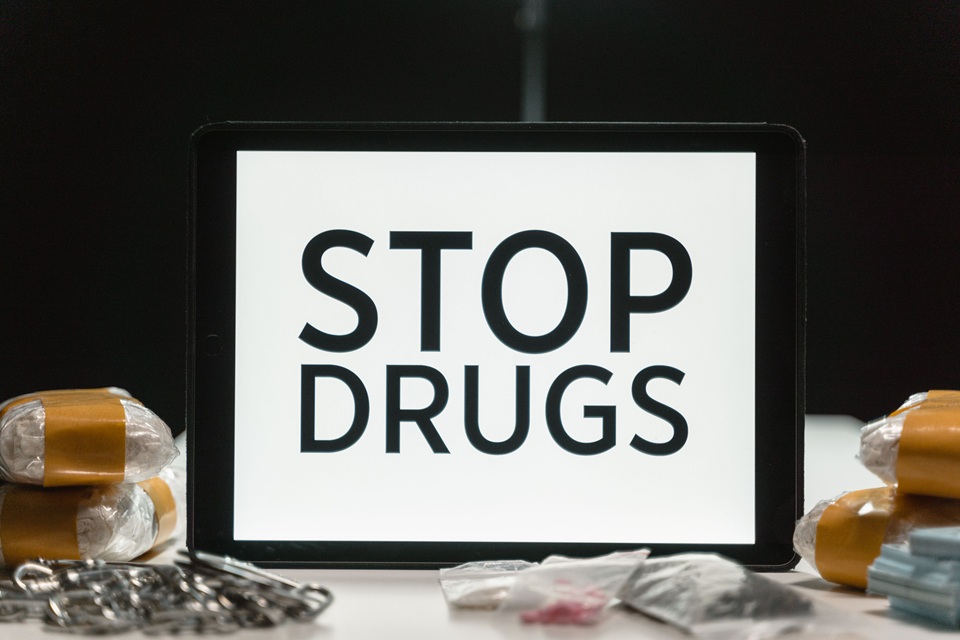
Recovery from alcohol and other drug use is about much more than stopping substance use. For many young people, successful recovery also involves improving mental health, rebuilding relationships, returning to education or employment and developing the skills needed for long-term independence.
The Australian Institute of Health and Welfare identifies alcohol, tobacco and other drug use among young people as an ongoing public health issue in Australia. Early intervention can reduce harm and help young people reconnect with healthier routines before problems become more complex.
For families looking for information about Youth Drug and Alcohol Recovery, the most effective approaches combine assessment, counselling, practical support and ongoing aftercare.
Successful recovery often includes:
- Individual counselling.
- Mental health support.
- Family involvement.
- Education or employment assistance.
- Life skills development.
- Ongoing aftercare.
Young People Need Age-Appropriate Support
Young people experience alcohol and drug use differently from adults because they are still developing emotionally, socially and neurologically.
The National Institute on Drug Abuse explains that treatment for adolescents should consider developmental needs alongside family relationships, education and mental health.
Rather than focusing only on reducing substance use, treatment often helps young people:
- Build healthy coping strategies.
- Improve decision-making skills.
- Understand the causes of substance use.
- Develop healthier daily routines.
This broader approach gives young people practical tools that support long-term recovery.
Mental Health and Trauma Often Influence Recovery
Mental health and substance use frequently occur together.
Anxiety, depression, trauma, stress and low self-esteem can all increase the likelihood that a young person uses alcohol or other drugs to cope with difficult emotions.
The Alcohol and Drug Foundation notes that young people experiencing mental health challenges may be more likely to use alcohol or drugs as a coping strategy.
For example, someone experiencing social anxiety may begin drinking before social situations because it temporarily reduces discomfort. While this may provide short-term relief, it does not address the underlying cause and can gradually increase dependence.
Counselling helps young people recognise these patterns, identify triggers and develop healthier ways to respond before stress leads back to substance use.
Family and Social Environments Matter
Recovery does not happen in isolation.
A young person’s home environment, friendships and support network all influence how successfully they maintain progress after treatment.
Challenges may include:
- Family conflict.
- Unsafe housing.
- Peer pressure.
- School disengagement.
- Ongoing exposure to alcohol or drug use.
Where appropriate, involving families in treatment can improve communication, establish healthy boundaries and create greater consistency at home.
Positive friendships and supportive adults can also provide encouragement during difficult stages of recovery.
Recovery Works Best When Support Is Connected
Most youth treatment programs begin with a comprehensive assessment that looks beyond substance use alone.
This may include consideration of:
- Mental health.
- Physical health.
- Education.
- Housing.
- Family circumstances.
- Safety concerns.
Many recovery programs combine counselling, rehabilitation, case management, education support, vocational training and practical life-skills development.
This integrated approach recognises that lasting recovery often depends on addressing the broader challenges affecting a young person’s life, not simply their alcohol or drug use.
Education and Employment Help Build Stability
Returning to education, training or employment is often an important milestone during recovery. These activities provide routine, structure and opportunities to develop confidence while working towards longer-term goals.
The pathway will look different for every young person. Some may return to school, while others may benefit from vocational education, apprenticeships or employment support. The most appropriate option depends on their individual circumstances, interests and stage of recovery.
Participating in meaningful activities also helps strengthen independence and create positive daily routines. Combined with ongoing support, these opportunities can help young people rebuild confidence and develop practical skills that contribute to long-term wellbeing.
Aftercare Supports Long-Term Recovery
Completing a treatment program is only one stage of recovery.
Returning to everyday life can present new challenges as familiar environments, friendships and stresses reappear.
Aftercare may include:
- Ongoing counselling.
- Mentoring.
- Peer support.
- Education planning.
- Employment support.
- Relapse prevention planning.
A relapse prevention plan helps identify early warning signs such as withdrawing from support networks, reconnecting with risky peer groups or experiencing worsening mental health.
If setbacks occur, they should be viewed as an opportunity to review support rather than as a failure.
Everyday Support Makes a Difference
Long-term recovery is strengthened by stable routines and positive daily habits.
Protective factors identified by the Australian Institute of Health and Welfare include supportive relationships, education participation and stable living environments.
Many young people also benefit from routines that include:
- Regular sleep.
- Physical activity.
- School or work participation.
- Ongoing counselling.
- Positive recreational activities.
- Practical life skills.
These everyday routines help build confidence, independence and resilience while reducing reliance on unhealthy coping strategies.
Conclusion
Recovery from youth alcohol and drug use involves much more than addressing substance use alone. The strongest outcomes are achieved when treatment also supports mental health, family relationships, education, life skills and long-term wellbeing.
By combining evidence-based therapy with practical support and ongoing aftercare, recovery programs can help young people rebuild confidence, reconnect with education or employment and develop healthier futures. With the right support at the right time, lasting recovery is both possible and achievable.