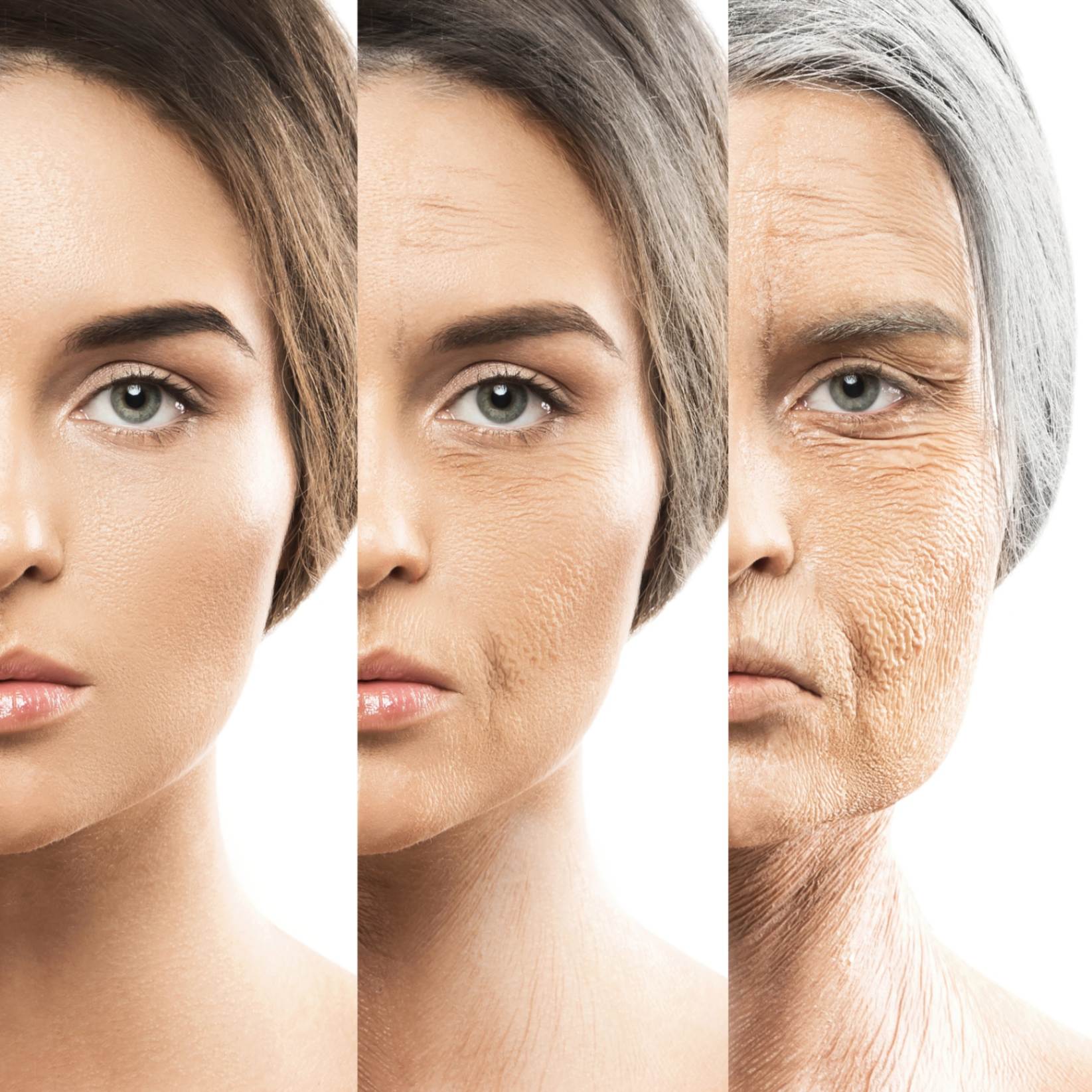
What if the secret to aging well wasn’t about fighting time itself, but rather making intentional choices that help your body and mind thrive as the years pass? Many people assume that aging brings decline and loss, yet research and real-world examples show that simple, consistent changes can dramatically improve how we feel, look, and function throughout our later years. The good news is that these changes don’t require expensive treatments, extreme diets, or complicated routines. Instead, they center on practical adjustments that compound over time, creating noticeable benefits in your energy levels, appearance, mobility, and overall quality of life.
1. Prioritize Quality Sleep and Consistent Sleep Schedules
Sleep is one of the most powerful tools for graceful aging, yet it’s often overlooked in favor of more visible interventions. During sleep, your body repairs cellular damage, consolidates memories, and regulates hormones that control hunger, stress, and immune function. When you consistently get seven to nine hours of quality sleep, your skin appears more radiant, your mood improves, and your risk of chronic diseases decreases significantly. Creating a consistent sleep schedule, even on weekends, helps regulate your circadian rhythm and makes falling asleep easier over time.
To improve sleep quality, consider establishing a wind-down routine about an hour before bed. This might include dimming lights, putting away screens, or practicing gentle stretching. Your bedroom should be cool, dark, and quiet, as these conditions promote deeper sleep cycles. Avoiding caffeine in the afternoon and large meals close to bedtime can also make a substantial difference in how rested you feel the next morning. When sleep becomes a genuine priority rather than an afterthought, the effects on your overall health and youthful appearance become increasingly noticeable.
2. Build and Maintain Muscle Through Strength Training
Muscle loss is a natural part of aging, but it’s not inevitable. Starting in your thirties, people typically lose about three to eight percent of their muscle mass per decade, with the rate accelerating after age sixty. However, strength training directly counteracts this process by preserving muscle tissue and bone density. Stronger muscles improve your posture, reduce your risk of falls, boost your metabolism, and help you maintain independence in daily activities like carrying groceries or climbing stairs.
The good news is that you don’t need hours at a gym or expensive equipment to see results. Bodyweight exercises such as push-ups, squats, and lunges are highly effective and can be done anywhere. Resistance bands, dumbbells, or even household items can provide enough resistance to maintain and build muscle. Aim for at least two days per week of strength training that targets major muscle groups. Consistency matters far more than intensity, so finding activities you actually enjoy increases your likelihood of sticking with them long term. As your strength improves, so does your confidence and your ability to enjoy physical activities without limitation.
3. Nourish Your Body With a Nutrient-Dense Diet
What you eat directly affects how your skin looks, how much energy you have, and how well your body functions. A nutrient-dense diet rich in vegetables, fruits, whole grains, lean proteins, and healthy fats provides your cells with the building blocks they need to repair and regenerate. Foods like leafy greens, berries, fatty fish, nuts, and olive oil are packed with antioxidants and anti-inflammatory compounds that protect against age-related diseases and support skin health from within. For those who struggle to get enough omega-3s through food alone, incorporating the best fish oil supplement into a daily routine helps ensure consistent intake of these essential fatty acids that support heart health, brain function, and inflammation management as you age.
Rather than following restrictive diets that are hard to maintain, focus on making better choices most of the time. Swapping white bread for whole grain varieties or choosing grilled fish instead of fried chicken creates meaningful change without feeling punitive. Staying hydrated by drinking adequate water throughout the day supports skin elasticity, aids digestion, and helps your kidneys function properly. Reducing excess sugar and processed foods decreases inflammation in your body and stabilizes energy levels, helping you avoid the afternoon crashes that make aging feel harder. Small dietary adjustments that become habits over months and years produce cumulative benefits that are visible in your appearance and felt in your vitality.
4. Invest in a Consistent Skincare Routine
Your skin is the largest organ of your body and deserves consistent, thoughtful care. A simple skincare routine performed twice daily can make a dramatic difference in how your skin ages. The fundamentals include gentle cleansing to remove dirt and excess oil, moisturizing to maintain the skin’s barrier function, and sun protection to prevent damage from ultraviolet rays. Sun exposure is responsible for the majority of visible skin aging, including wrinkles, age spots, and loss of elasticity, making daily sunscreen a non-negotiable investment in your appearance.
Beyond these basics, consider adding targeted treatments suited to your specific concerns. Products containing retinol can improve fine lines and skin texture, while vitamin C serums brighten the complexion and provide antioxidant protection. The key is choosing a routine you can stick with consistently, as skincare benefits build over time rather than showing immediate results. Avoiding smoking and excessive alcohol consumption also protects your skin, since these habits accelerate aging and can lead to a dull, uneven complexion. When you approach skincare as a daily ritual of self-care rather than a chore, you’re more likely to maintain consistency and enjoy the gradual improvements in your skin’s appearance.
5. Cultivate Meaningful Relationships and Mental Engagement
Physical health is only part of the aging equation, and mental and emotional well-being play equally important roles in aging gracefully. Strong social connections and meaningful relationships have been shown to improve longevity and quality of life, while isolation and loneliness have the opposite effect. Spending time with friends and family, joining clubs or groups with shared interests, and maintaining regular contact with loved ones creates a sense of purpose and belonging that sustains you emotionally. Remaining socially active also introduces new perspectives and experiences that keep daily life engaging and rewarding.
Mental engagement is equally important for maintaining cognitive sharpness and emotional resilience as you age. Learning new skills, whether that’s a language, a musical instrument, or a hobby you’ve always wanted to pursue, keeps your brain active and adaptable. Reading, solving puzzles, and having meaningful conversations all contribute to cognitive reserve, which helps protect against age-related mental decline. Practices like meditation or journaling can reduce stress and improve emotional regulation, helping you navigate life’s challenges with greater calm and perspective. When you remain socially connected and mentally engaged, aging feels like a continuation of growth rather than a period of decline and limitation.
Conclusion
Aging gracefully is not about defying the natural passage of time or striving for an unrealistic standard of perfection. It’s about making consistent, intentional choices that support your physical health, mental sharpness, and emotional well-being. The five changes outlined here, covering quality sleep, strength training, nutrient-dense eating, skincare consistency, and social and mental engagement, work together to help you feel vibrant and capable throughout your later years. Each change is simple enough to implement immediately, yet powerful enough to create noticeable results over weeks and months. By starting today and committing to these practices, you’re investing in a future where aging is a source of wisdom and confidence rather than worry and limitation.