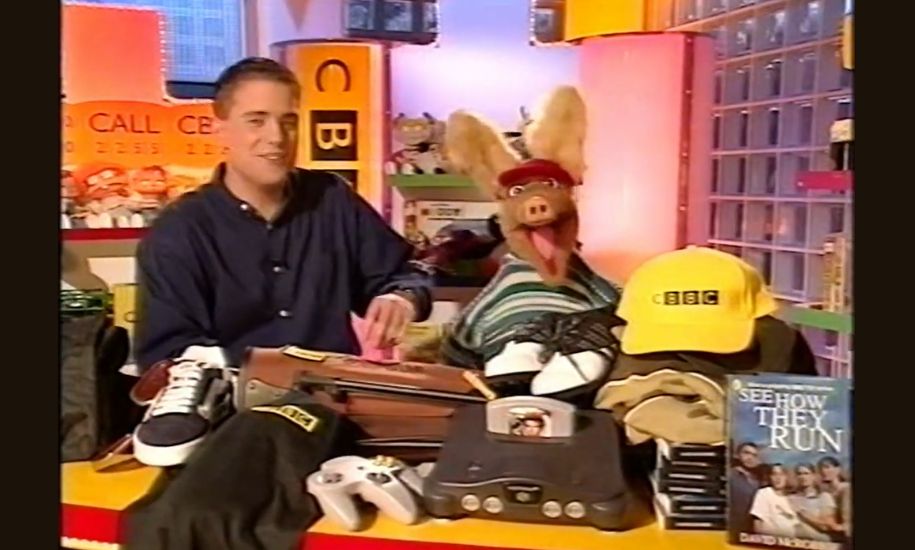
If you grew up watching British children’s television in the 1990s, you probably remember a mischievous puppet popping up between shows — cracking jokes, teasing presenters, and creating chaotic but funny moments on live TV. Many fans still search online asking, “Who is Otis the Aardvark?” or looking for “Otis the Aardvark Wikipedia” to learn more about this nostalgic character.
Otis the Aardvark was not just a puppet; he became one of the most recognisable faces of CBBC (Children’s BBC). Known for his energetic personality and unpredictable humour, Otis helped define an era of children’s broadcasting and remains a beloved memory among viewers decades later.
The Origins of the Otis the Aardvark Puppet
The character first appeared in 1994 as part of CBBC’s live continuity segments. At the time, BBC producers wanted a playful mascot that could interact with presenters and add comedy between programmes. The result was Otis the aardvark puppet — a quirky character designed to stand out from traditional children’s TV hosts.
Interestingly, the name “Otis” reportedly came from the OTIS elevator located in BBC Television Centre. This small inside joke quickly became part of CBBC folklore, giving the character a unique backstory that fans still talk about today.
The puppet itself was colourful, expressive, and deliberately exaggerated in style, allowing for physical comedy and visual humour during live broadcasts. As CBBC experimented with more interactive presentation styles, Otis became central to their new creative direction.
Otis the Aardvark Presenter Era on CBBC
During the mid-to-late 1990s, Otis became a regular CBBC presenter alongside human hosts. Unlike scripted characters, the puppet often relied on improvisation, which made each appearance feel fresh and unpredictable.
The voice and puppetry were performed by Dave Chapman, whose energetic performance gave Otis his distinctive personality. Fans searching for “Otis the Aardvark voice” often discover how much of the character’s humour came from Chapman’s spontaneous ad-libs during live television.
Otis appeared in countless CBBC links, introducing cartoons, competitions, and special segments. His cheeky personality balanced perfectly with the more structured role of human presenters, creating a lively and entertaining atmosphere for young audiences.
Otis the Aardvark Kirsten Partnership
One of the most iconic parts of Otis’s history is his partnership with presenter Kirsten O’Brien. When Kirsten joined CBBC in the mid-1990s, she quickly developed a strong on-screen chemistry with the puppet.
Their collaboration led to the show Saturday Aardvark, a lively weekend programme that blended games, sketches, and audience interaction. Many viewers still search for “Otis the Aardvark Kirsten” because their partnership produced some of CBBC’s funniest and most memorable moments.
Behind the scenes, Kirsten often spoke about how difficult it was to keep a straight face while filming with Otis. The puppet’s improvisational jokes frequently caused laughter during live broadcasts, which only made the show feel more authentic and fun for viewers at home.
Shows and Appearances Beyond CBBC
Although Otis is most strongly associated with CBBC, the character appeared in several other projects after his initial success. He featured in children’s game shows and special appearances, extending his popularity beyond simple continuity presenting.
One notable role was on the children’s game show Insides Out, where Otis continued his playful interactions with contestants and hosts. Later cameo appearances included nostalgic TV specials and entertainment programmes that celebrated classic British television.
Even after his official retirement in the late 1990s, Otis occasionally returned for anniversary events and charity broadcasts, reminding audiences of his lasting cultural impact.
Otis the Aardvark Toy and Merchandise
During the height of his popularity, Otis inspired a small range of merchandise, including plush toys and promotional items. While there was never a massive commercial toy line, collectors and fans still search for “Otis the Aardvark Toy” online.
These items are now considered nostalgic memorabilia, often shared in fan forums and blog posts about 1990s children’s television. Because official production details are limited, many stories about Otis merchandise come from personal collections rather than formal BBC records.
The rarity of these toys has actually increased their appeal, turning them into cherished reminders of a specific era of British TV history.
Otis the Aardvark Wikipedia and Online Legacy
In the modern internet age, interest in Otis has grown again thanks to nostalgia culture. Searches like “Otis the Aardvark Wikipedia” or “Otis the Aardvark presenter” continue to rise as former viewers revisit childhood favourites.
Fans frequently share clips, discussions, and throwback articles celebrating CBBC’s golden years. Online archives and fan blogs have played a big role in keeping the character alive for new audiences who may never have watched the original broadcasts.
This renewed attention shows how powerful nostalgic media can be, especially when it comes to beloved characters who shaped early viewing experiences.
Otis the Aardvark GIFs and Internet Nostalgia
Another sign of Otis’s lasting popularity is the growing number of Otis the aardvark gif searches online. Short clips from CBBC episodes are often turned into reaction GIFs or shared across social platforms.
These GIFs capture Otis’s exaggerated expressions and playful humour, making them perfect for modern internet culture. While originally created for children’s television, the character’s comedic timing translates surprisingly well into today’s meme-driven online world.
For many fans, seeing an Otis GIF instantly brings back memories of rushing home from school to watch CBBC.
The Personality and Appeal of Otis the Aardvark
What made Otis stand out wasn’t just his design — it was his personality. He was loud, mischievous, and sometimes chaotic, yet always friendly. This balance allowed him to connect with young viewers while entertaining adults watching alongside them.
The puppet also represented a shift in children’s broadcasting, where presenters became more informal and interactive. Instead of simply introducing shows, Otis felt like part of the audience — reacting, joking, and sometimes causing playful chaos.
Many fans believe this spontaneous energy is why Otis remains such a memorable figure compared to more traditional puppet characters.
Why Otis the Aardvark Still Matters Today
Decades after his debut, Otis continues to hold a special place in British pop culture. He represents a time when live children’s television felt unpredictable and genuine. The combination of improvisation, humour, and strong presenter partnerships created moments that viewers still talk about today.
Whether people are searching for “Who is Otis the Aardvark?” or rediscovering old clips online, the character’s legacy proves that even a puppet presenter can become an icon. As nostalgia for 1990s media grows, Otis’s role in shaping CBBC’s identity becomes even more significant.
Many nostalgic TV blogs — including Globe Gist — highlight Otis the Aardvark as a perfect example of how children’s entertainment evolved during that decade. His mix of comedy and personality helped bridge the gap between traditional presenters and modern interactive hosting styles.
Today, Otis remains more than just a puppet; he is a symbol of creativity, humour, and the unique spirit of CBBC’s golden era — a legacy often explored on nostalgia platforms like Globe Gist, where fans continue to celebrate classic television moments.