
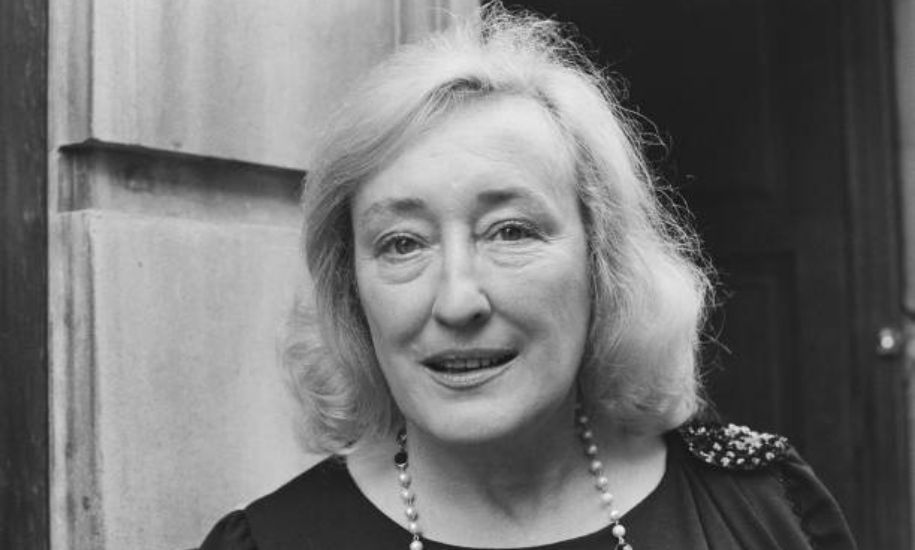
Elizabeth Spriggs was one of Britain’s most respected character actresses, celebrated for her commanding stage presence and her memorable supporting roles in film and television. With a career that spanned more than five decades, she became especially beloved for her portrayal of Mrs. Jennings in Sense and Sensibility (1995) and for appearing as the portrait of the Fat Lady in Harry Potter and the Philosopher’s Stone (2001). Though never a conventional Hollywood star, Spriggs earned admiration for her intelligence, humor, and emotional depth, making her a vital figure in British theatre and screen history.
Born on 18 September 1929 in Buxton, Derbyshire, England, Elizabeth Jean Spriggs grew up with a love for music and performance. Her early ambitions leaned toward singing, but health challenges ultimately redirected her toward acting—an unexpected turn that would shape a remarkable artistic life.
Elizabeth Spriggs Young: Early Life and Training
In her youth, Elizabeth Spriggs trained as a mezzo-soprano at the Royal School of Music. Unfortunately, chronic asthma forced her to abandon a professional singing career. Rather than leaving the arts behind, she transitioned into acting, studying drama and speech and working in repertory theatre.
During her early professional years, Spriggs also taught drama and speech, which sharpened her understanding of character, voice, and classical text. These foundations made her especially well suited for Shakespearean theatre, where clarity of speech and emotional range are essential. Her early stage work in regional theatre laid the groundwork for what would become a distinguished career with some of Britain’s most prestigious companies.
Actress Elizabeth Spriggs: A Theatre Powerhouse
Elizabeth Spriggs became closely associated with the Royal Shakespeare Company (RSC) and the National Theatre, two pillars of British drama. She gained a reputation for portraying strong, complex women—often older characters with sharp wit and emotional authority.
Among her most admired stage roles were:
The Nurse in Romeo and Juliet
Gertrude in Hamlet
Beatrice in Much Ado About Nothing
Her performances were praised for combining intelligence with warmth, and she often brought humor to characters that might otherwise feel rigid or conventional. In 1978, she won the Olivier Award for Best Supporting Actress for her performance in Love Letters on Blue Paper, a testament to her excellence on the stage.
Elizabeth Spriggs Movies and TV Shows
Although theatre was her first love, Elizabeth Spriggs built a rich career in film and television. She became a familiar face in British period dramas and literary adaptations, often cast as aristocrats, aunts, or wise elders.
Major Film Roles
Sense and Sensibility (1995) – Mrs. Jennings
Her role as the warm-hearted, talkative Mrs. Jennings was both comedic and touching. The performance earned her a BAFTA nomination for Best Supporting Actress, bringing her international recognition.Harry Potter and the Philosopher’s Stone (2001) – The Fat Lady (portrait)
She appeared as the voice and likeness of the Fat Lady, guarding the Gryffindor common room. Though a brief role, it became one of her most widely remembered performances due to the film’s massive global popularity.Other films include:
Impromptu (1991), Paradise Road (1997), Richard’s Things (1980), and Is Anybody There? (2008), which became her final screen appearance.
Television Career
Spriggs appeared in numerous television series and dramas, including:
Doctor Who
Midsomer Murders
Poirot
Tales of the Unexpected
Shine on Harvey Moon
Her television roles reinforced her reputation as a versatile character actress capable of drama, mystery, and comedy alike.
Elizabeth Spriggs Sense and Sensibility: A Career-Defining Role
Spriggs’ portrayal of Mrs. Jennings in Sense and Sensibility remains one of her most iconic performances. Mrs. Jennings is a lively, gossip-loving woman who provides both comic relief and genuine kindness to the Dashwood sisters. Spriggs balanced these traits beautifully, ensuring the character never felt shallow or foolish.
Audiences and critics alike praised her for making Mrs. Jennings both amusing and deeply human. This role introduced her to a new generation of viewers and cemented her place in classic British cinema.
Elizabeth Spriggs Harry Potter: A Magical Appearance
In Harry Potter and the Philosopher’s Stone, Elizabeth Spriggs appeared as the portrait of the Fat Lady, the magical guardian of Gryffindor Tower. Though her screen time was short, the character became instantly recognizable and beloved.
For many younger viewers, this role was their first introduction to Spriggs, and it linked her legacy with one of the most influential film franchises of all time. Her expressive face and theatrical delivery made the portrait feel alive and memorable.
Elizabeth Spriggs Husband and Daughter: Personal Life
Elizabeth Spriggs was married three times:
Kenneth Spriggs – her first husband, with whom she had one daughter.
Marshall Jones, an actor.
Murray Manson, whom she married in the 1970s and who remained with her until her death.
She had one daughter, Wendy, from her first marriage. Despite her busy career, Spriggs maintained a private family life and rarely discussed personal matters in the media. Those who knew her described her as warm, humorous, and intellectually curious.
Elizabeth Spriggs Cause of Death and Final Years
Elizabeth Spriggs died on 2 July 2008 in Oxfordshire, England, at the age of 78. Public records and obituaries did not disclose a specific medical cause of death.
In her later years, she continued acting well into her seventies, demonstrating her enduring commitment to the craft. Her final film, Is Anybody There? (2008), was released the same year she passed away, serving as a quiet farewell to audiences who had admired her work for decades.
Elizabeth Spriggs Died: Legacy and Influence
Spriggs left behind a legacy defined by quality rather than celebrity. She was a performer’s performer—respected by directors, adored by fellow actors, and cherished by audiences who appreciated subtle, intelligent acting.
Her influence can be seen in:
Her contributions to British theatre through Shakespeare and classical drama
Her unforgettable supporting roles in major literary adaptations
Her presence in globally known franchises like Harry Potter
She proved that character actors could achieve lasting fame through consistency, talent, and authenticity.
Why Elizabeth Spriggs Still Matters
Elizabeth Spriggs represents a generation of actors who valued craft over glamour. She brought dignity and humor to every role, whether she was performing Shakespeare or appearing briefly as a magical portrait. Her career shows how an actress can remain relevant across decades and across mediums—stage, television, and film.
From her early days as a young performer in repertory theatre to her later years as a beloved figure in classic cinema, Spriggs demonstrated that true success in acting comes from dedication and emotional truth.
In conclusion, Elizabeth Spriggs was more than just a supporting actress—she was a cultural treasure whose performances enriched British drama and cinema. Her work in Sense and Sensibility and Harry Potter ensured her place in popular memory, while her stage career secured her reputation as a serious and accomplished artist. Articles like this aim to preserve her story for new audiences who may only know her through a single role but will discover a lifetime of achievement behind it.
This detailed biography is published in collaboration with the blog site Globe Gist, which continues to highlight influential figures in film and theatre history for modern readers.
You may also read: Colette Hiller: From Aliens Star to Cultural Innovator




One Comment