Buying the right wood heaters Sydney homeowners start with choosing a retailer that understands heater sizing, Australian standards, and installation requirements. A wood heater should suit the home’s layout, burn firewood efficiently, and maintain safe operating temperatures during regular winter use.
Modern wood heaters are designed to produce more usable heat and lower smoke emissions than older open fireplaces. The NSW EPA states that compliant solid-fuel heaters sold in NSW must meet the efficiency standards of AS/NZS 4012:2014 and the emissions standards of AS/NZS 4013:2014. These tests measure how efficiently a heater burns firewood and how much particulate matter is released during operation.
Homeowners searching for the best wood heaters in Sydney should compare heater compliance, heating capacity, installation requirements, and long-term maintenance needs before purchasing.
Correct Heater Sizing Changes Heating Performance
The size of the heater directly affects its efficiency. A heater that is too small may struggle to warm larger living areas, particularly in open-plan homes where warm air spreads across multiple connected spaces.
An oversized heater can also create problems. Running a large heater at low burn levels for long periods may reduce combustion temperatures, increasing smoke and residue inside the flue.
Sizing depends on floor area, ceiling height, insulation, room layout, and ventilation. A retailer with heating experience can assess these conditions and recommend a suitable heating range for the property.
Correct sizing also affects firewood use. A properly matched heater usually maintains steadier temperatures with less fuel consumption over time.
Compliance Standards Affect Smoke and Efficiency
Australian compliance standards exist to reduce smoke emissions and improve combustion efficiency. The Australian Home Heating Association states that certified wood heaters sold in Australia must produce emissions of 1.5 g/kg or less and achieve efficiency ratings of at least 60%.
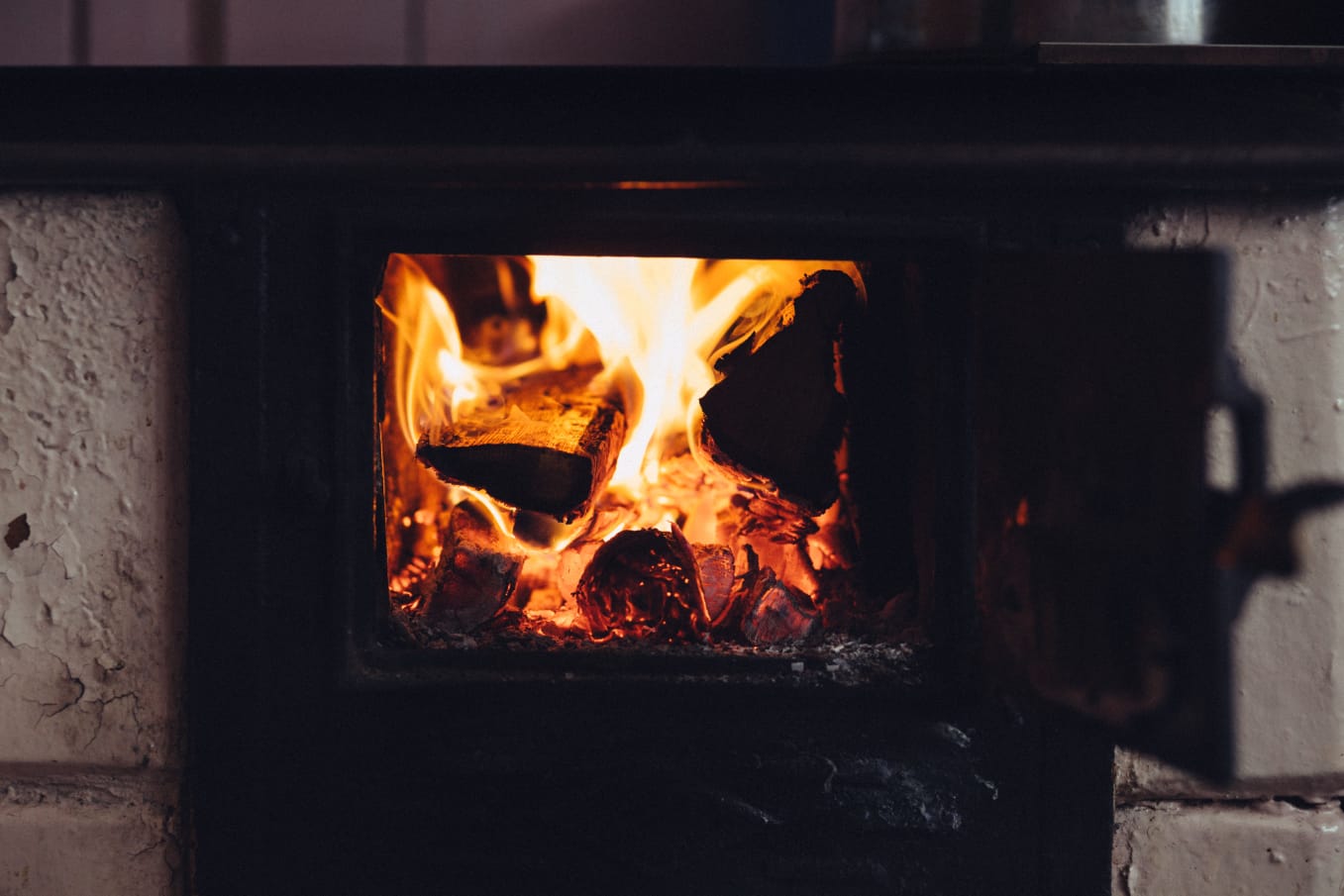
Modern slow-combustion heaters use controlled airflow systems to maintain hotter, cleaner-burning conditions inside the firebox. When combustion temperatures remain stable, more gases and particles burn before exiting through the flue.
This process improves heat output and reduces visible smoke. Lower smoke levels also reduce soot and creosote accumulation inside the flue system.
For buyers comparing wood heaters Sydney suppliers, compliance certification should be checked before installation begins.
Freestanding and Inbuilt Heaters Heat Homes Differently
Freestanding wood heaters are commonly installed in living rooms and open-plan areas because they radiate heat from multiple sides. These heaters often suit homes without an existing fireplace structure.
Inbuilt wood heaters Sydney fit within a fireplace cavity or enclosed wall structure. They are often selected during renovations where homeowners want to update an older fireplace area with a more efficient heating system.
The better option depends on room layout, available installation space, and how heat needs to circulate through the home.
Flue Design Affects Airflow and Combustion
A wood heater relies on the flue system to remove combustion gases and maintain airflow through the firebox. The draft created by the flue pulls oxygen into the heater and supports steady combustion temperatures.
Poor flue positioning can interrupt this airflow. A weak draft often causes smoke spillage, slower ignition, and lower heat output.
NSW Health advises that wood-burning heaters should comply with Australian standards and be installed in accordance with local council and building requirements.
Correct installation also maintains safe clearances between the heater and nearby combustible surfaces such as walls, flooring, and furniture.
Professional installers assess flue height, roof penetration, hearth protection, and ventilation requirements before commissioning the heater.
Firewood Moisture Levels Affect Heat Output
The moisture content of firewood changes how efficiently a heater burns. NSW Health recommends using dry, well-seasoned, untreated wood because damp timber produces more smoke and less usable heat.
Freshly cut timber contains moisture that must evaporate before combustion temperatures rise properly. Heat energy is lost during this evaporation process, lowering firebox temperatures and reducing efficiency.
Seasoned hardwood burns more consistently because less heat is wasted removing moisture from the timber. Stable combustion temperatures also reduce residue build-up inside the flue.
To improve the performance of wood heaters Sydney households should store firewood in a dry, ventilated area and avoid painted or chemically treated timber.
Maintenance Helps Keep Airflow Stable
Routine maintenance helps maintain combustion efficiency and airflow throughout the heating season. Ash build-up, blocked flues, and worn door seals can all reduce draft performance inside the heater.
Restricted airflow often results in reduced heat output and increased smoke production. Creosote deposits in the flue can also build up more quickly when combustion temperatures remain too low.
Regular flue cleaning removes soot and combustion residue that interfere with ventilation. Door seals should also be checked periodically to ensure the heater maintains controlled airflow during operation.
Retailers that specialise in wood heating often provide replacement parts and maintenance guidance after installation.
Specialist Heating Retailers Provide Practical Advice
Wood heating systems involve technical requirements that affect efficiency, safety, and long-term operation. A specialist retailer should be able to explain which heaters comply with Australian standards, what heating area each model suits, and what flue system is required for the property.
This guidance helps homeowners avoid choosing a heater that appears suitable but performs poorly once installed.
Retailers with experience in wood heating can also explain how room layout, insulation, and ventilation influence heating performance during winter.
Conclusion
The best wood heaters Sydney homeowners can buy are correctly sized, compliant with Australian standards, professionally installed, and operated with dry seasoned firewood. Heating performance depends on the full system, including the heater, flue design, airflow, and fuel condition.
With suitable installation and regular maintenance, a modern wood heater can provide steady heat output, lower smoke emissions, and reliable winter heating across a range of Sydney homes.