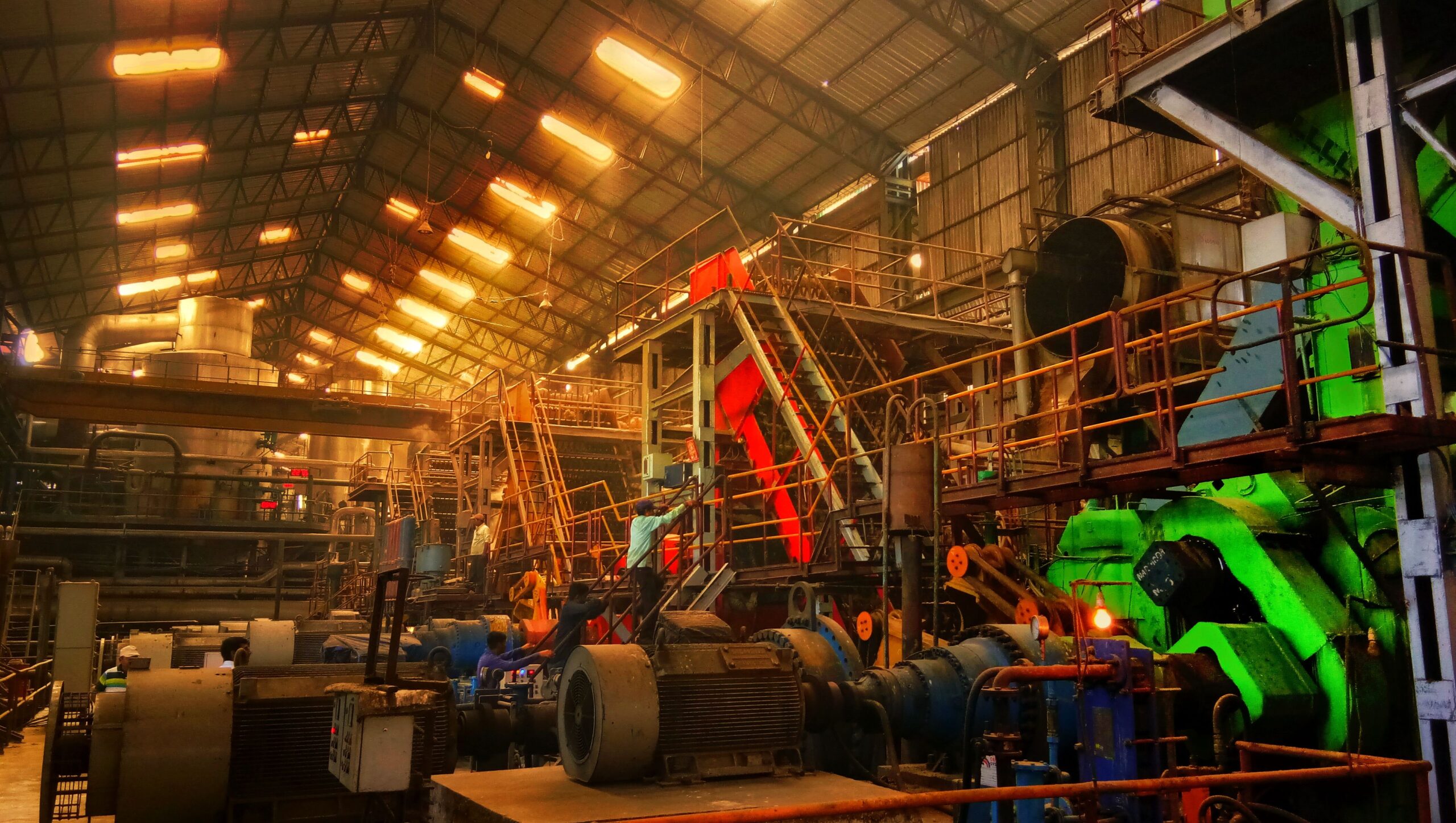
What if your manufacturing equipment could indicate when maintenance is needed before a breakdown occurs? Data historians make this possible by collecting and organizing the operational information that serves as the foundation of predictive maintenance programs. Instead of waiting for equipment failures or replacing components according to rigid schedules, organizations can use historical data to anticipate issues and take proactive action. Understanding how data historians support predictive maintenance is essential for any operation seeking to reduce downtime, lower costs, and improve equipment reliability.
Understanding Data Historians and Their Core Function
A data historian is a specialized database system designed to store, organize, and retrieve time-series data generated by industrial operations. Unlike traditional databases that capture information at isolated points in time, data historians continuously collect readings from sensors, instruments, and control systems throughout a facility.
This data can include temperature readings, pressure measurements, vibration levels, production rates, energy consumption, and numerous other operational metrics. The historian serves as a centralized repository, storing millions of data points over months or even years while maintaining precise timestamps for every record.
By preserving this continuous history of equipment and process behavior, data historians provide the information needed to identify trends, detect abnormalities, and predict future equipment issues. The result is a more complete understanding of how assets perform over time.
Identifying Equipment Degradation Patterns
Equipment failures rarely occur without warning. In many cases, machinery exhibits gradual performance changes long before a breakdown takes place. Data historians are particularly valuable because they capture these subtle changes and preserve them for analysis.
For example, a pump may experience a slow increase in vibration levels over several weeks. Bearings may operate at slightly higher temperatures, or production efficiency may gradually decline. While these changes may be difficult to detect in day-to-day operations, a data historian records every fluctuation.
Maintenance teams can review historical records from previous failure events and identify patterns that consistently appeared beforehand. If a motor failure was preceded by a specific combination of rising temperature and vibration levels, those conditions can be recognized earlier in the future.
Over time, organizations develop a collection of equipment-specific failure signatures that help maintenance personnel identify developing problems before they become critical. This historical insight allows teams to move beyond reactive maintenance and take action based on actual equipment behavior.
Establishing Baseline Performance Metrics
Every piece of equipment has a normal operating range when functioning properly. Data historians help organizations establish these performance baselines by collecting data during periods of stable and efficient operation.
When equipment is newly installed or recently serviced, the historian captures key operating characteristics such as normal temperature ranges, expected vibration patterns, pressure levels, throughput rates, and energy consumption. These measurements become the benchmark for future comparisons.
As operating conditions change over time, organizations can refine those baselines to reflect realistic expectations. Seasonal temperature variations, production demands, and equipment aging may all influence what constitutes normal performance.
With accurate baseline information readily available, maintenance teams can quickly recognize when equipment begins deviating from expected operating conditions. Even small departures from normal performance can highlight developing issues that warrant further investigation.
Comparing current performance with historical baselines provides one of the most effective ways to identify early-stage degradation and schedule maintenance before failures occur.
Supporting Predictive Models and Advanced Analytics
Data historians provide the large, high-quality datasets required for predictive analytics and machine learning applications. Predictive maintenance systems rely on historical information to identify relationships between equipment performance indicators and future failures.
These analytical models need extensive operational history to produce reliable predictions. A data historian containing years of continuous data offers significantly more insight than isolated maintenance records or manually collected measurements.
Engineers can analyze multiple variables simultaneously and identify combinations of conditions that increase the likelihood of equipment failure. For example, analysis may reveal that failures become more likely when elevated vibration levels occur alongside increasing motor temperatures during a specific operating cycle.
The accurate timestamps maintained by a data historian make it possible to establish clear relationships between events and operating conditions. This level of precision helps predictive models produce more accurate forecasts while reducing false alarms that can lead to unnecessary maintenance activities.
Ultimately, the effectiveness of predictive maintenance programs depends heavily on the quality, completeness, and accessibility of the data available. Data historians provide the foundation that makes these advanced analytical capabilities possible.
Enabling Root Cause Analysis and Continuous Improvement
Even with a strong predictive maintenance program, equipment failures can still occur. When they do, data historians preserve a comprehensive record of events leading up to the incident. This historical information allows maintenance and engineering teams to conduct thorough root cause analyses. Rather than relying on assumptions or incomplete records, they can examine actual operating conditions to determine what happened and why.
For example, if a pump fails unexpectedly despite showing normal temperature and vibration readings, engineers can investigate additional factors that may have contributed to the failure. These could include fluctuations in flow rates, pressure irregularities, cavitation events, or other less obvious operating conditions.
Each analysis helps organizations improve their understanding of equipment behavior and refine their predictive maintenance strategies. As lessons are incorporated into maintenance processes, predictive models become more accurate and maintenance programs become increasingly effective. This continuous improvement cycle helps organizations maximize equipment reliability while reducing maintenance-related costs.
Optimizing Maintenance Scheduling and Resource Allocation
One of the most significant benefits of predictive maintenance is the ability to plan maintenance activities more efficiently. Data historian insights enable organizations to schedule maintenance during planned outages or low-production periods rather than responding to emergency situations.
When historical trends indicate that a piece of equipment may require attention in the near future, maintenance teams can prepare accordingly. Parts can be ordered in advance, specialist resources can be scheduled, and work can be coordinated to minimize operational disruption.
Organizations can also prioritize maintenance efforts based on actual equipment condition rather than fixed maintenance schedules. Assets showing clear signs of degradation can receive immediate attention, while healthy equipment can remain in service without unnecessary maintenance intervention.
When operations teams need to visualize asset performance and maintenance trends, an industrial no code UI builder can help engineers create customized dashboards that present critical information in an accessible format without requiring extensive programming expertise. These real-time visualizations help decision-makers act quickly and confidently based on current and historical operational data.
Conclusion
Data historians are a critical component of successful predictive maintenance strategies. By continuously collecting operational information, establishing performance baselines, supporting advanced analytics, and enabling detailed root cause investigations, they provide the visibility necessary to understand equipment behavior and anticipate potential issues.
Organizations that leverage data historians can move beyond reactive maintenance practices and adopt a more proactive approach to asset management. The result is reduced downtime, lower maintenance costs, extended equipment lifespan, and improved operational efficiency. As industrial operations continue to embrace data-driven decision-making, data historians will remain an essential technology for achieving reliable, cost-effective maintenance and long-term operational success.