Achieving a toned, flat abdomen can be challenging, especially after significant weight fluctuations or pregnancy. When diet and exercise fall short, surgical intervention offers a reliable path to restoring abdominal contour. If you are considering a tummy tuck in London, you will likely face a pivotal choice between a full abdominoplasty and a less invasive alternative. Both procedures address loose skin and weakened muscles, but they target different areas of the abdomen and require varying recovery times. Understanding the anatomical differences and procedural scopes of each option is the first step toward achieving your aesthetic goals. This guide outlines how to evaluate your body’s needs to select the most suitable treatment.
Understanding the Full Tummy Tuck
A full abdominoplasty, commonly known as a standard tummy tuck, is a comprehensive surgical procedure designed to address the entire abdominal region. This operation targets both the upper and lower abdomen, making it highly effective for individuals with significant skin laxity and muscle separation. During the procedure, a surgeon makes an incision across the lower abdomen, typically from hip to hip, just above the pubic hairline. A second incision is made around the belly button to free it from surrounding tissue.
Through these incisions, the surgeon tightens the underlying abdominal muscles, known as the rectus abdominis, which often stretch or separate during pregnancy or substantial weight gain. Once the muscles are secured with permanent sutures, the surgeon drapes the skin downward, removes the excess tissue, and creates a new opening for the belly button. This comprehensive approach yields a dramatic transformation, flattening the entire midsection and narrowing the waistline. Because of its extensive nature, patients undergoing this complete procedure usually require a few weeks of downtime to ensure proper healing and optimal structural support. The results are long-lasting, provided the patient maintains a stable weight and a healthy lifestyle.
What is a Mini Tummy Tuck?
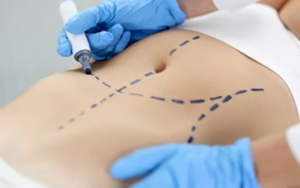
For patients who do not require extensive correction across the entire abdomen, a mini tummy tuck offers a targeted, less invasive alternative. This procedure specifically addresses the region below the belly button, making it ideal for individuals with a small pocket of loose skin or stubborn fat in the lower abdomen. Unlike the full version, this technique does not involve repositioning or cutting around the belly button, which simplifies the surgical process significantly.
The incision for this partial procedure is considerably shorter, often resembling a caesarean section scar. Through this smaller opening, the surgeon can tighten mild muscle laxity in the lower abdominal wall and remove a modest amount of excess skin. Because the upper abdomen remains untouched, the overall recovery period is much shorter and less uncomfortable than that of a full abdominoplasty. Patients can typically return to their normal daily activities within one to two weeks. While the results are highly satisfying, they are localised. This procedure cannot correct bulging or loose skin above the navel, meaning candidates must have good skin elasticity in their upper abdomen to achieve a harmonious, balanced profile. It is a specialised solution for a specific anatomical concern.
Comparing Scarring, Recovery, and Results
When choosing between these two surgical paths, understanding the practical implications of scarring and recovery is essential. A full abdominoplasty requires a longer hip-to-hip incision and an additional scar around the belly button. While plastic surgeons carefully position these incisions so they can be concealed beneath swimwear or underwear, they remain permanent markers. In contrast, the scar from a partial procedure is much shorter and sits low on the pelvis, making it exceptionally easy to hide.
The recovery timelines also differ substantially. A full procedure demands a recovery period of three to four weeks before returning to light desk work, with strenuous exercise restricted for up to six to eight weeks. Patients must wear a supportive compression garment to minimise swelling and support the newly repaired muscles. Conversely, a limited abdominoplasty allows patients to resume light activities within ten days, with full recovery achieved in about four weeks. However, the dramatic aesthetic transformation offered by the full procedure often outweighs the longer recovery time for patients with extensive tissue laxity. The smaller option provides subtle enhancement, whereas the full procedure offers a comprehensive structural overhaul of the entire midsection.
Assessing Your Candidacy for Surgery
Determining which procedure aligns with your physical needs requires an honest assessment of your abdominal anatomy. If you struggle with a general protrusion of the stomach, loose skin both above and below the belly button, or separated abdominal muscles after childbirth, you are likely a candidate for a full tummy tuck. This option is particularly beneficial for mothers seeking to restore their pre-pregnancy silhouette, as pregnancy frequently stretches the entire abdominal wall.
On the other hand, if you are close to your ideal body weight but have a persistent pouch in the lower abdomen that resists diet and exercise, a mini tummy tuck may be the perfect fit. Candidates for this procedure must have firm, elastic skin in the upper abdomen, as this area will not be altered during surgery. Consulting with a board-certified plastic surgeon who performs a tummy tuck in London is the most reliable way to evaluate your candidacy. A professional assessment of your skin quality, fat distribution, and muscle tone will clarify which technique will deliver the flat, contoured abdomen you desire. Realistic expectations and a clear understanding of your anatomy are vital for a successful surgical outcome.
The Consultation Process and Making Your Decision
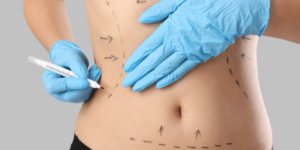
The final decision should always be made in partnership with an experienced medical professional during a detailed clinical consultation. During this meeting, your surgeon will examine your abdomen, take measurements, and discuss your medical history. They will also evaluate whether you plan to have more children or undergo further weight loss, as these factors can significantly impact the longevity of your surgical results. For instance, future pregnancies can re-stretch repaired muscles, potentially undoing the benefits of either procedure.
Your surgeon will help you weigh the pros and cons of each approach based on your lifestyle, budget, and desired downtime. While a mini tummy tuck is less expensive and offers a faster recovery, opting for it when you actually need a full abdominoplasty will lead to disappointing results. Conversely, undergoing a full procedure when a limited version would suffice subjects your body to unnecessary surgical trauma. By choosing a reputable clinic for a tummy tuck in London, you ensure that you receive honest, expert guidance tailored to your unique physiology. This collaborative approach guarantees that your chosen surgical path delivers safe, beautiful, and highly satisfying results that enhance your confidence.
Conclusion
Choosing between a full and a mini abdominoplasty depends entirely on your unique anatomy, lifestyle, and aesthetic goals. If you require comprehensive correction across your entire abdomen, a full procedure offers a transformative solution that addresses both muscle separation and excess skin. For those with localised concerns below the navel, a partial abdominoplasty provides an efficient, less invasive way to restore a flat lower stomach with minimal scarring. Consulting an expert surgeon who regularly performs abdominal contouring is the best way to ensure an accurate assessment and a tailored treatment plan. Ultimately, making an informed choice leads to a safer surgical experience and highly rewarding, long-term results.