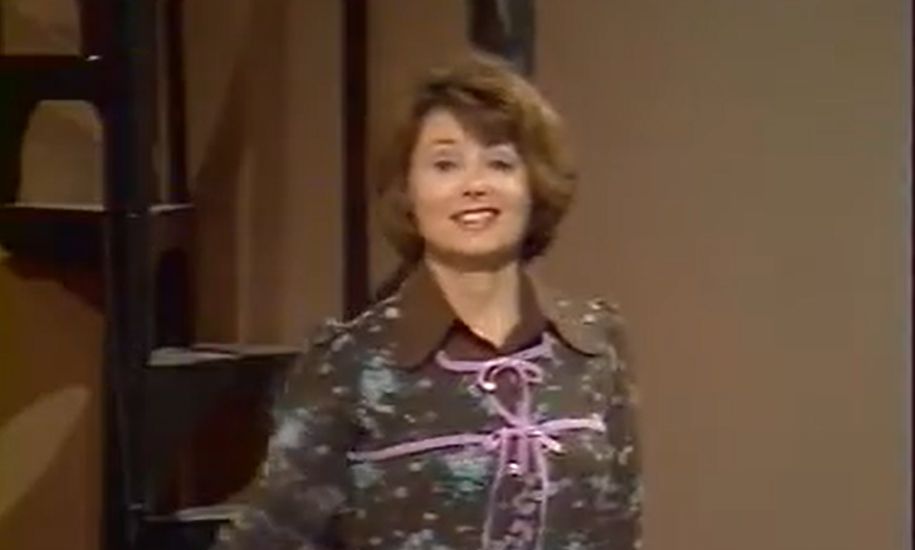
When discussing pioneers of inclusive broadcasting, the name Pat Keysell stands out as one of the most influential figures in British television history. Best known for her work on the iconic BBC children’s programme Vision On, Keysell helped reshape how television could communicate with audiences—especially deaf and hard-of-hearing viewers.
Her unique blend of mime, visual storytelling, and gentle presentation style made her a beloved figure for an entire generation. But beyond her on-screen charm, her contributions to accessibility and arts education left a lasting legacy that continues to influence media today.
Quick Bio Table
| Field | Details |
|---|---|
| Full Name | Patricia June Keysell |
| Known As | Pat Keysell |
| Date of Birth | 7 June 1926 |
| Birthplace | Tooting, London, England |
| Date of Death | 31 October 2009 |
| Nationality | British |
| Profession | TV Presenter, Mime Artist, Actress, Writer |
| Famous For | Vision On |
| Years Active | 1950s–1980s |
| Notable Work | Vision On (BBC) |
| Children | 1 (Michael) |
Early Life and Education
Pat Keysell was born in Tooting, London, in 1926 and grew up with a strong interest in performance and communication. From an early age, she displayed a fascination with expression beyond spoken words—something that would later define her career.
She trained at the prestigious Royal Central School of Speech and Drama, where she specialized in mime. This choice was unusual at the time, but it became her greatest strength. Mime allowed her to communicate emotion, ideas, and stories without relying solely on speech—an approach that would prove groundbreaking in television.
Before becoming a household name, Keysell worked behind the scenes at the BBC in children’s programming. This early experience gave her valuable insight into television production and helped shape her future role as both a creative and presenter.
Pat Keysell and Vision On
A Revolutionary Television Programme
The turning point in Keysell’s career came with Vision On, which aired from 1964 to 1976. The show was designed to be accessible to both hearing and deaf children—something that was extremely rare at the time.
Working alongside artist and presenter Tony Hart, Keysell became a central figure in the programme. Together, they created a show that relied heavily on visual creativity rather than dialogue.
What Made Vision On Unique?
Unlike traditional children’s shows, Vision On minimized spoken language and emphasized:
- Mime and physical expression
- Art and drawing segments
- Visual humor and storytelling
- Sign-supported communication
This format made it accessible to deaf viewers while still engaging hearing audiences. It was a true example of inclusive design long before the term became widely used.
The Famous Gallery Segment
One of the most memorable parts of the show was the “Gallery,” where children’s artwork was displayed on screen. Pat Keysell’s calm and friendly delivery became iconic, especially her famous line:
“We’re sorry we can’t return any of your pictures…”
This phrase became deeply associated with her and remains nostalgic for viewers who grew up watching the show.
A Champion for Deaf Awareness
While many remember her for television, Pat Keysell’s work extended far beyond the screen. She was deeply committed to improving opportunities for deaf individuals, particularly in the arts.
She worked closely with organizations supporting deaf communities and used mime as a teaching tool. Her belief was simple yet powerful: communication should be accessible to everyone, regardless of hearing ability.
British Theatre of the Deaf
One of her most significant contributions was helping to establish a theatre company for deaf performers, later known as the British Theatre of the Deaf. Through this initiative, she provided a platform for deaf actors to express themselves creatively and professionally.
This work not only empowered performers but also helped audiences better understand deaf culture and communication.
Career Beyond Vision On
Although Vision On remains her most famous work, Keysell’s career included many other achievements.
Television and Production
She continued working in television after leaving Vision On, including producing the ITV series Under the Same Sun in the late 1970s. Her role behind the camera demonstrated her versatility and creative vision.
Writing and Teaching
Keysell also authored books on mime, including Mime Over Matter, sharing her expertise with a wider audience. She believed that mime was not just a performance art but a valuable educational tool.
Community Arts and Leadership
Later in her career, she became involved in community arts projects. As artistic director of Compass Community Arts, she worked with:
- Elderly individuals
- Disabled communities
- People with visual impairments
Her work emphasized inclusion, creativity, and self-expression for all.
Personal Life
Pat Keysell lived a relatively private personal life compared to her public career. She was married for a time and had one son, Michael.
Despite her fame, she remained dedicated to her work and avoided the spotlight outside of her professional contributions. Her focus was always on creativity, communication, and helping others.
In her later years, she spent time living in Italy, where she eventually passed away in 2009 at the age of 83.
Legacy and Lasting Impact
Pat Keysell’s legacy is both cultural and social. She played a key role in demonstrating that television could be inclusive without sacrificing entertainment value.
Influence on Broadcasting
Today, many television programmes include subtitles, sign language, and visual storytelling techniques. While these features are now common, they were groundbreaking during Keysell’s time.
Her work on Vision On helped set the foundation for:
- Accessible children’s programming
- Inclusive media practices
- Greater awareness of deaf audiences
Inspiration for Future Generations
Keysell’s career continues to inspire educators, performers, and broadcasters. Her use of mime and visual communication remains relevant in modern storytelling, especially in an increasingly global and diverse media landscape.
Why Pat Keysell Still Matters Today
In an era where accessibility and inclusion are more important than ever, Pat Keysell’s work feels remarkably ahead of its time. She didn’t just adapt television for deaf audiences—she reimagined what television could be.
Her ability to connect with viewers without relying heavily on words is a reminder that communication goes far beyond speech. Whether through art, movement, or expression, her message was always clear: everyone deserves to be included.
Conclusion
So, who is Pat Keysell? She was far more than a television presenter. She was a pioneer, an innovator, and a compassionate advocate for inclusion.
Through Vision On, she transformed children’s television into a space where everyone could participate, regardless of ability. Her contributions to mime, education, and deaf awareness continue to resonate decades later.
At Globe Gist, stories like Pat Keysell’s remind us how individuals can shape industries and inspire meaningful change. Her legacy is not just one of entertainment, but of empathy, creativity, and progress.
You may also read: Penny Junor: Life, Books, Family, and Career Explained