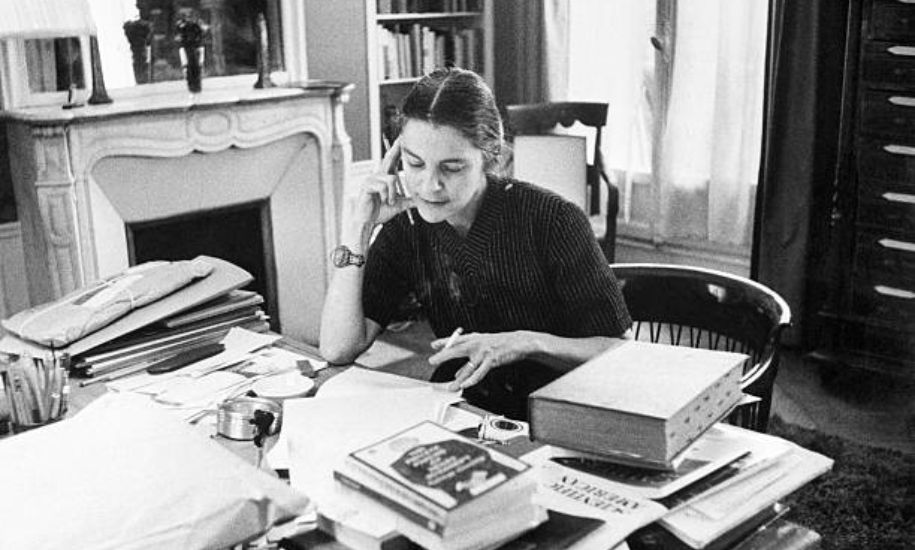
Mary McCarthy remains one of the most compelling literary voices of the 20th century. Known for her sharp intellect, fearless criticism, and distinctive narrative style, she carved a unique place in American literature. Whether through her novels, memoirs, or political essays, McCarthy consistently challenged societal norms and explored the complexities of truth, identity, and morality.
This article explores who Mary McCarthy was, her literary contributions, and a detailed overview of Mary McCarthy books, offering a complete understanding of her life and legacy.
Quick Bio Table
| Full Name | Mary Therese McCarthy |
|---|---|
| Date of Birth | June 21, 1912 |
| Place of Birth | Seattle, Washington, USA |
| Date of Death | October 25, 1989 |
| Profession | Novelist, Essayist, Critic |
| Education | Vassar College |
| Notable Work | The Group (1963) |
| Literary Style | Satirical, Intellectual, Analytical |
| Nationality | American |
Early Life and Background
To understand who Mary McCarthy was, it is essential to look at her early life, which deeply influenced her writing. Born in Seattle in 1912, McCarthy faced tragedy at a young age when both of her parents died during the influenza epidemic of 1918. She and her siblings were sent to live with relatives, where she experienced a strict and often difficult upbringing.
These formative experiences later shaped her memoir Memories of a Catholic Girlhood, where she examined childhood trauma, memory, and truth with striking honesty.
McCarthy went on to attend Vassar College, where she developed her intellectual voice and began engaging with literature and criticism. Her education played a crucial role in shaping her analytical style and strong opinions.
Literary Career and Rise to Fame
Mary McCarthy began her career as a literary critic before transitioning into fiction and essays. She became associated with the influential group known as the New York intellectuals and contributed to prominent publications.
Her writing quickly gained attention due to its:
- Sharp wit and satire
- Honest and often controversial viewpoints
- Intellectual depth
- Strong feminist undertones
She was never afraid to critique politics, society, or even her contemporaries, making her both admired and controversial.
Mary McCarthy Books: A Complete Overview
Mary McCarthy’s literary output spans novels, memoirs, essays, and short stories. Below is a detailed breakdown of her most important works.
Famous Novels
Mary McCarthy’s novels are known for blending fiction with social commentary and personal insight.
1. The Company She Keeps (1942)
Her debut novel introduced readers to her intellectual style. It explores the life of a young woman navigating relationships, identity, and independence in New York’s literary circles.
2. The Oasis (1949)
A satirical take on utopian ideals, this novel critiques political ideologies and the impracticality of perfection in human society.
3. The Groves of Academe (1952)
This academic satire focuses on dishonesty and ambition within a college setting, exposing the flaws of intellectual institutions.
4. A Charmed Life (1955)
A novel centered on marriage, relationships, and personal dissatisfaction, highlighting McCarthy’s keen observation of human behavior.
5. The Group (1963)
This is Mary McCarthy’s most famous and commercially successful book. It follows a group of women after graduating from college as they navigate adulthood, careers, marriage, and sexuality.
The novel was groundbreaking for its time because it addressed topics such as contraception, mental health, and female independence, which were considered taboo in the early 1960s.
6. Birds of America (1971)
A more experimental novel that explores American identity through the experiences of a young protagonist traveling abroad.
7. Cannibals and Missionaries (1979)
A political novel dealing with terrorism and international conflict, reflecting McCarthy’s continued interest in global issues.
Memoirs and Autobiographical Works
Mary McCarthy’s memoirs are among her most powerful works, blending personal experience with philosophical reflection.
Memories of a Catholic Girlhood (1957)
This memoir examines her childhood and questions the reliability of memory itself. McCarthy often revisits her own stories to analyze whether they are accurate or constructed.
How I Grew (1987)
A continuation of her life story, this book focuses on her early adulthood and intellectual development.
Intellectual Memoirs (1992)
Published after her death, this work reflects on her relationships with other writers and thinkers.
Essays and Political Writing
McCarthy was also a prolific essayist, known for her bold political commentary.
Some of her important essay collections include:
- On the Contrary (1961)
- The Writing on the Wall (1970)
- Ideas and the Novel (1980)
She also wrote extensively about global politics, including books like:
- Vietnam (1967)
- Hanoi (1968)
- The Mask of State (1974)
Her essays demonstrate her willingness to engage with controversial issues and challenge dominant narratives.
Short Stories
Mary McCarthy also wrote short fiction, including:
- Cast a Cold Eye (1950)
- The Hounds of Summer (1981)
These works further showcase her ability to capture complex emotions and social dynamics in concise form.
Themes in Mary McCarthy’s Work
A key aspect of understanding who Mary McCarthy was lies in examining the recurring themes in her writing.
1. Truth and Memory
McCarthy often questioned whether personal memories are reliable or shaped by perception.
2. Feminism and Women’s Roles
Her work frequently explored the lives of women, their independence, and societal expectations.
3. Intellectual and Moral Conflict
Many of her characters struggle with ethical dilemmas and ideological beliefs.
4. Satire of Society
She used humor and irony to critique politics, academia, and cultural norms.
Writing Style and Influence
Mary McCarthy’s writing style is distinctive and immediately recognizable. It is:
- Direct and analytical
- Rich in dialogue and observation
- Often autobiographical
- Intellectually engaging
Her fearless approach to writing influenced many later authors, particularly women writers who sought to address complex social and personal issues.
Legacy and Importance
Mary McCarthy’s legacy continues to resonate in modern literature. She is remembered as:
- A pioneering female intellectual voice
- A fearless critic of political and social systems
- A writer who blurred the line between fiction and reality
Her works remain relevant today because they address universal themes such as identity, truth, and morality.
Conclusion
So, who is Mary McCarthy? She was far more than just a novelist—she was a bold thinker, a cultural critic, and a literary pioneer. Through her novels, memoirs, and essays, she explored the complexities of human life with honesty and intelligence.
The wide range of Mary McCarthy books ensures that her voice continues to be heard by new generations of readers. Whether you are interested in fiction, autobiography, or political analysis, her work offers something valuable and thought-provoking.
At Globe Gist, we believe that exploring literary figures like Mary McCarthy helps readers better understand not only literature but also the society that shapes it.
You may also read: Margaret Bourke-White: Life, Books, Quotes & Chrysler Building Story