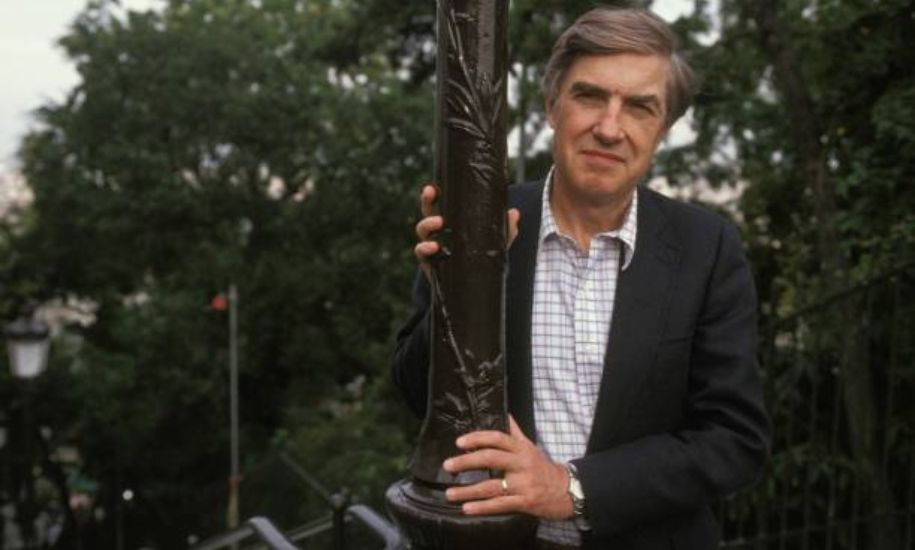
In the world of investigative journalism, few names carry as much weight as Neil Sheehan. Best known for his role in uncovering the Pentagon Papers, Sheehan changed how the public understood the Vietnam War and helped redefine the power of the press. His fearless reporting, deep research, and commitment to truth made him one of the most influential journalists of the 20th century.
This article explores who Neil Sheehan was, his groundbreaking work on the Pentagon Papers, and a detailed look at Neil Sheehan’s books that cemented his legacy.
Quick Bio Table
| Field | Details |
|---|---|
| Full Name | Cornelius Mahoney Sheehan |
| Known As | Neil Sheehan |
| Birth | October 27, 1936 |
| Death | January 7, 2021 |
| Profession | Journalist, Author |
| Nationality | American |
| Education | Harvard University |
| Famous For | Pentagon Papers, Vietnam War reporting |
| Awards | Pulitzer Prize, National Book Award |
Who Is Neil Sheehan?
Neil Sheehan was a renowned American journalist and author who became widely known for exposing one of the most controversial secrets in U.S. history—the Pentagon Papers. His work brought hidden truths about the Vietnam War into the public eye and played a critical role in strengthening press freedom.
Sheehan began his career as a reporter covering international affairs, eventually becoming a correspondent during the Vietnam War. His firsthand experiences in Vietnam shaped his understanding of the conflict and fueled his determination to uncover the truth behind government actions.
He worked for a major American newspaper and quickly earned a reputation for being meticulous, courageous, and deeply committed to factual reporting. Unlike many journalists of his time, Sheehan questioned official narratives and sought evidence-based truth.
Neil Sheehan and the Pentagon Papers
The most defining moment of Neil Sheehan’s career came in 1971 when he played a central role in publishing the Pentagon Papers.
What Were the Pentagon Papers?
The Pentagon Papers were a classified study conducted by the U.S. Department of Defense. These documents detailed decades of political and military involvement in Vietnam, revealing that the government had misled the public about the war’s progress and intentions.
How Sheehan Got Involved
Sheehan obtained access to these documents through a defense analyst who had grown disillusioned with government secrecy. Recognizing the importance of the information, Sheehan worked tirelessly to analyze and prepare the material for publication.
Rather than simply reporting on the documents, he and his team carefully reviewed thousands of pages to ensure accuracy and context.
The Impact of Publication
When the documents were published, they created a massive political and social shock:
- The public learned that officials had concealed key facts about the war
- Trust in government institutions declined significantly
- A legal battle followed over press freedom
The case ultimately reached the U.S. Supreme Court, which ruled in favor of the press. This decision reinforced the importance of a free and independent media in a democratic society.
Why It Still Matters Today
The Pentagon Papers story remains one of the most powerful examples of investigative journalism. It demonstrated that journalists have the ability—and responsibility—to hold governments accountable.
Neil Sheehan’s work on this story continues to inspire journalists around the world.
Neil Sheehan Books
Beyond journalism, Neil Sheehan was also a highly respected author. His books provide deep insights into war, politics, and history.
1. A Bright Shining Lie (1988)
This is Sheehan’s most famous and celebrated book. It tells the story of a U.S. Army officer during the Vietnam War and explores the broader failures of American strategy.
The book received widespread acclaim and won several prestigious awards, including the Pulitzer Prize. It is often considered one of the greatest works ever written about the Vietnam War.
2. The Pentagon Papers (Published Edition)
Following the historic publication, Sheehan contributed to making the documents accessible in book form. This allowed readers to examine the evidence themselves and understand the depth of the revelations.
3. The Arnheiter Affair (1972)
This investigative work focuses on a controversial naval officer and examines issues of leadership, discipline, and accountability within the military.
4. After the War Was Over (1992)
In this book, Sheehan shifts focus to Vietnam after the war ended. He explores the long-term consequences of the conflict and the challenges faced by the country.
5. A Fiery Peace in a Cold War (2009)
This later work examines nuclear strategy during the Cold War. It highlights the tension between global powers and the risks associated with nuclear weapons.
Writing Style and Journalistic Approach
Neil Sheehan’s writing stood out for its depth, clarity, and commitment to truth. He combined storytelling with detailed research, making complex topics accessible to readers.
Key Characteristics of His Work:
- Thorough Research: He spent years gathering information before publishing
- Narrative Depth: His books read like compelling stories while remaining factual
- Critical Thinking: He questioned official accounts and sought independent verification
- Historical Insight: His work provided context, not just headlines
This approach made his work timeless and valuable for both readers and historians.
Legacy and Influence
Neil Sheehan’s contributions to journalism extend far beyond a single story. He helped set a standard for investigative reporting that continues to influence journalists today.
Lasting Impact:
- Strengthened the role of investigative journalism
- Promoted transparency in government
- Inspired future generations of reporters
- Contributed to public understanding of war and politics
His work serves as a reminder that journalism is not just about reporting events—it is about uncovering truth and informing society.
Conclusion
Neil Sheehan was more than just a journalist; he was a truth-seeker who changed the course of media history. From his groundbreaking role in exposing the Pentagon Papers to his powerful books on war and politics, his contributions remain deeply relevant.
Understanding who Neil Sheehan was, exploring Neil Sheehan’s books, and examining his role in the Pentagon Papers reveals a legacy built on courage, integrity, and dedication to truth.
For readers and writers alike, his story is a powerful example of how one individual can make a lasting impact through fearless reporting and thoughtful storytelling. This article by Globe Gist aims to highlight that legacy and keep his contributions alive for future generations.
You may also read: Gay Talese: Biography, Books, Research Method & Legacy