In-House vs Referred Out: Why More Practices Are Bringing Orthodontics and Implants Under One Roof

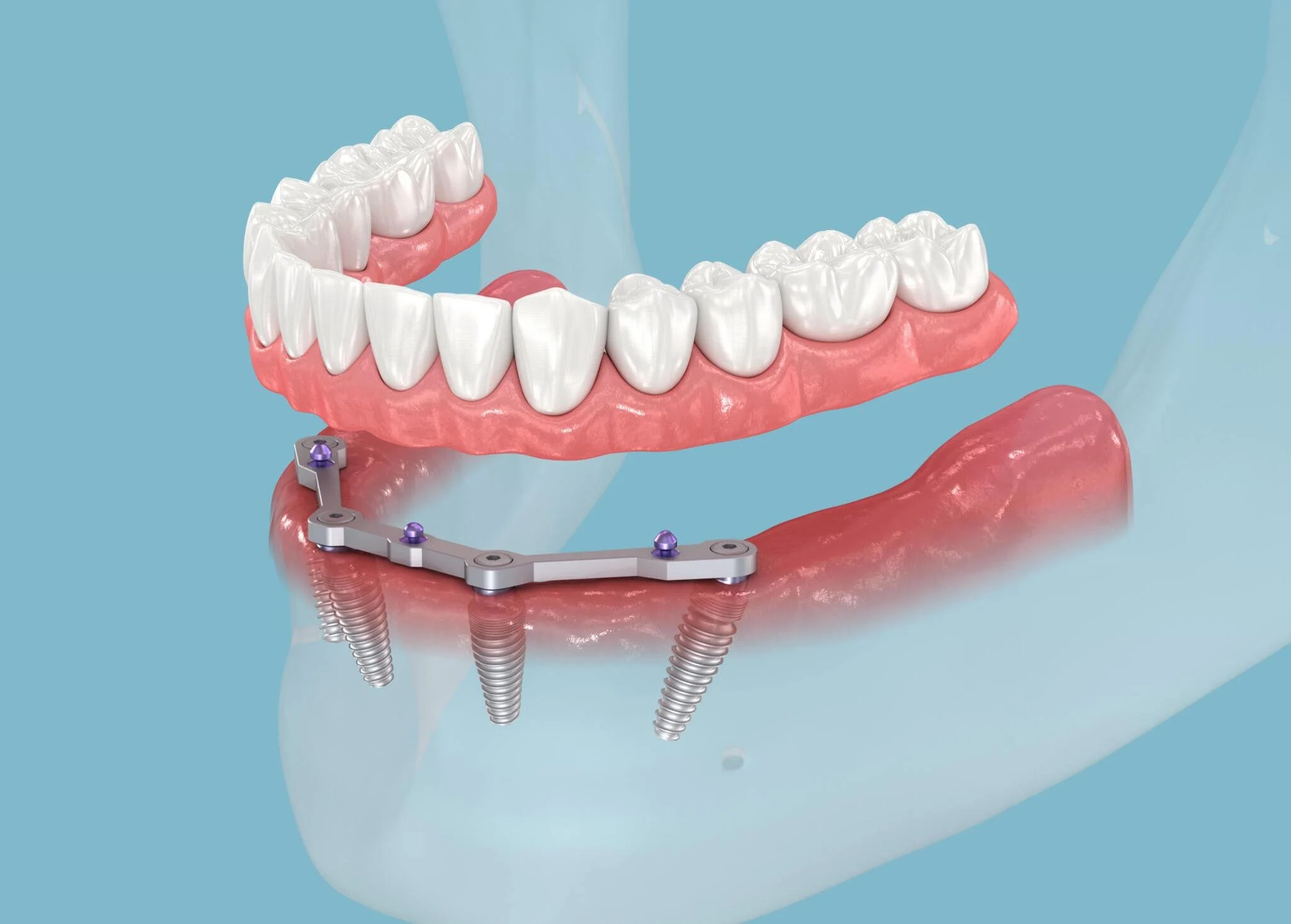
For years, the standard path for anything beyond a filling or a clean went the same way. Your regular dentist spotted something- a tooth that needed an implant, a bite that needed correcting and you were sent elsewhere. A specialist clinic, often in a different town, with its own booking system and its own wait. That model is shifting. A growing number of practices, including a Leamington Spa dental clinic near you, now keep orthodontics and implant work in-house rather than referring it out, and the reasons behind that shift matter as much as the change itself.
Why the Referral Model Existed in the First Place
Specialist treatment used to require specialist equipment and training that most general practices simply didn’t have. Implants need surgical planning and precise imaging. Orthodontics needs its own diagnostic process and ongoing monitoring over months. It made sense, historically, for a general dentist to identify the need and hand the patient to someone who did nothing but that one thing.
The downside was continuity. Every referral meant a new clinician who didn’t know your dental history beyond what was written in a letter, a second set of records, and often a longer wait simply because you’d joined the back of someone else’s queue rather than your own dentist’s. For patients needing urgent care, an Emergency Dentist Kenilworth can help provide prompt assessment and treatment when immediate dental attention is required.
What’s Changed
Two things have shifted the maths. Training has broadened: postgraduate qualifications in implantology and orthodontics are now something individual dentists pursue within general practice, rather than something reserved for separate specialist clinics. Digital scanning and imaging have also become affordable enough for a standard practice to invest in, which removes one of the old barriers to doing this kind of work on-site.
The result is that a Leamington Spa dental clinic offering general care can plausibly also offer implants and orthodontics without needing to be a dedicated specialist centre, provided the right people and equipment are in place.
The Patient-Facing Difference This Actually Makes
This isn’t just a convenience upgrade. Keeping treatment under one roof means the person planning your implant or your orthodontic treatment already has your full dental history previous fillings, gum health, bite patterns without relying on a referral letter to summarise it. It also means fewer handoffs, which matters more than it sounds: a problem that shows up between your general check-ups and a specialist appointment used to fall into a gap where neither party had eyes on it. In an in-house model, the same team sees the full picture continuously.
There’s also a practical booking benefit. Referred-out specialist care often means joining a separate waiting list at a different location. In-house treatment, by contrast, usually slots into the same practice’s existing booking system, which tends to move faster simply because it isn’t dependent on a second organisation’s capacity.
Where the Structure Still Has Limits
This model doesn’t replace referral entirely, and it shouldn’t. Complex or unusual cases, significant bone loss before an implant, and orthodontic cases involving jaw surgery still benefit from a dedicated specialist with deeper experience in exactly that kind of complexity. A well-run Leamington Spa dental clinic offering in-house orthodontics and implants will still refer out when a case genuinely calls for it, rather than trying to keep every case internal regardless of complexity. The distinction worth understanding as a patient is that in-house care handles the majority of standard cases well, while referral remains the right call for the minority that need it.
How This Looks at Andrew Lee Dental Practice
Andrew Lee Dental Practice illustrates the shift reasonably well. Andrew Lee himself holds a postgraduate qualification in implantology from Sheffield, gained years after his initial dental degree, which reflects exactly the kind of specialist training now being folded into general practice rather than kept separate from it. Alongside him, Dr Dhillon brings a Master’s in orthodontics from Warwick and handles teeth-straightening cases for both adults and children on-site, and Louise Roebuck’s work as an Elite Invisalign Provider sits within the same building rather than requiring a referral elsewhere. The practice’s use of 3D digital scanning underpins both areas, since accurate imaging matters as much for implant planning as it does for orthodontic treatment.
What to Ask When Choosing Where to Go
If continuity matters to you, it’s worth asking a practice directly whether implant or orthodontic treatment is handled on-site or referred elsewhere, who specifically within the practice carries out that work, and what happens if your case turns out to be more complex than initially expected. A practice that can answer all three clearly is usually a good sign, regardless of which model they use.
Final Thoughts
The shift toward keeping orthodontics and implants in-house isn’t just a business trend it changes who’s actually looking after your treatment and how continuous that care is. A dentist Leamington Spa offering this combined approach can often move faster and track your history more completely than the old referral model allowed, though the best practices still know when a case genuinely needs a specialist elsewhere rather than trying to keep everything under one roof regardless of complexity.