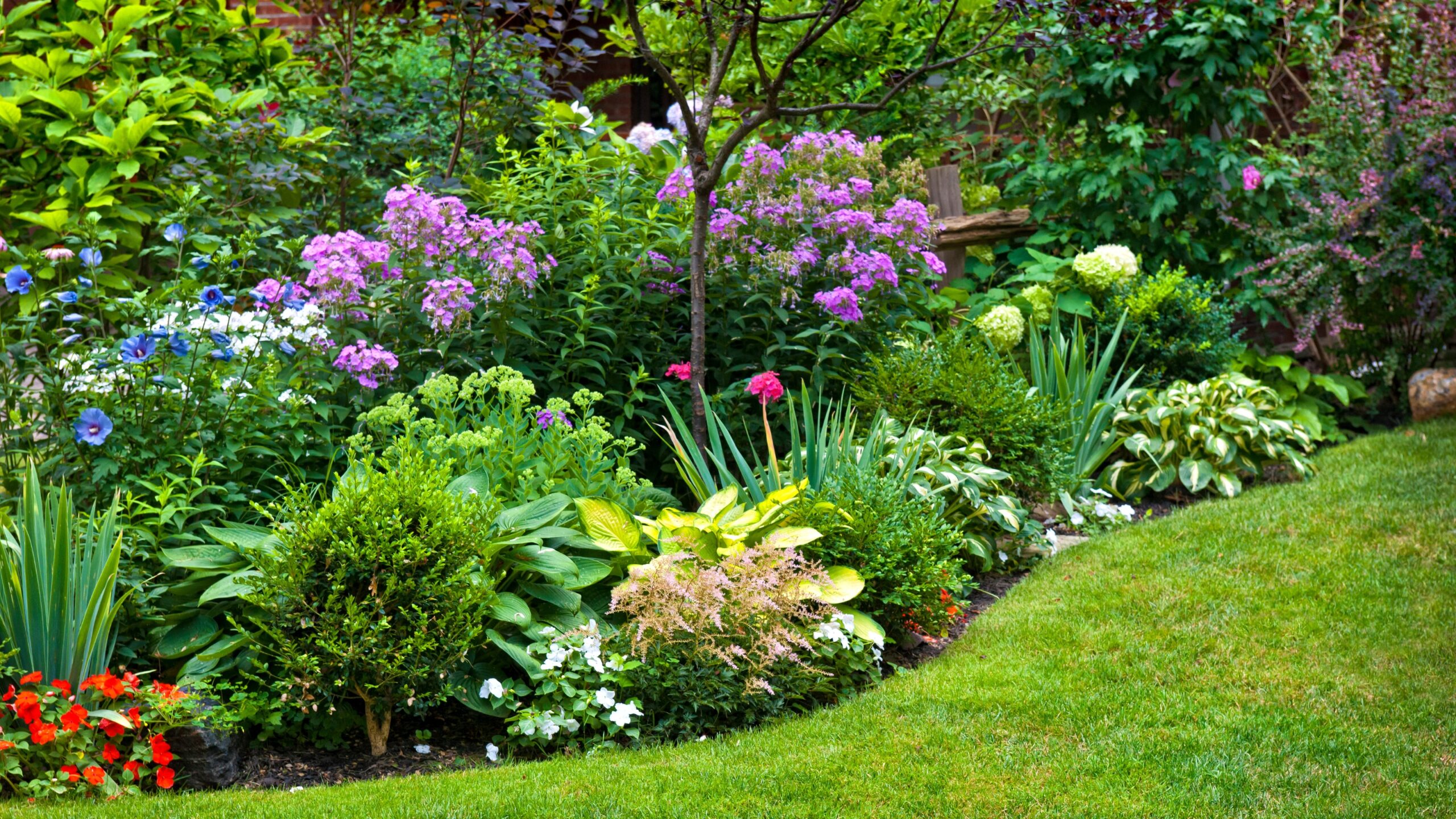
A colourful flower border can completely transform a garden. It adds structure, charm and that all-important seasonal interest that keeps things looking fresh from one month to the next. Whether you’re working with a compact urban plot or something a bit more generous, planning and planting a border lets you play around with textures, heights and colours until you land on something you genuinely love. Starting from seed gives you real control over the whole thing, every variety, every colour, every height. Yes, it takes a bit of patience, but watching those first seedlings push through the soil makes it entirely worthwhile.
Planning Your Flower Border
It’s tempting to dive straight in, but a little planning goes a long way. Start by having a proper look at your chosen spot. Most flowering plants are happiest in a sunny position, though if you’re working with partial shade, don’t worry, there are plenty of varieties that will cope perfectly well. Have a feel of the soil too. Most flower seeds prefer something well-drained and reasonably fertile, so if your soil is on the heavy or compacted side, working in some compost or well-rotted organic matter will make a real difference.
Think about the shape and dimensions of your border as well. The classic approach, taller plants at the back, shorter ones at the front, creates that lovely layered effect that looks so good in established gardens. Curved borders tend to feel more natural and relaxed than rigid straight lines, and they draw the eye through the space rather beautifully. It’s worth doing a rough sketch on paper first. It sounds a bit old-fashioned, but it genuinely helps you visualise different combinations of heights, colours and flowering times before you’ve committed to anything.
Selecting Your Plants
Getting the plant selection right is probably the most enjoyable part of the whole process. The key is thinking about continuity, you want something coming into bloom as something else is fading, so your border stays interesting right through the season. This means mixing early, mid and late-flowering varieties with a bit of intention rather than just grabbing whatever catches your eye at the garden centre.
Annuals, biennials and perennials all bring something different to the party. Annuals deliver vivid colour for one season and are brilliant for filling space. Biennials take two years to complete their cycle but offer some really distinctive foliage and blooms in that second year. Perennials come back year after year, providing structure and a reliable backbone to your planting scheme.
If you want your border to look good from the off while your seeds are getting established, it’s well worth integrating some summer planting / bedding plants alongside your seeds. They fill the gaps beautifully and give the border that full, lush appearance while everything
else catches up. It’s a simple trick that makes a huge difference to how the border looks in those early weeks.
Preparing the Soil and Planting
Once you’ve got your plan and your plants sorted, preparation is everything. Clear the area of weeds thoroughly, even small root fragments can cause trouble later, and loosen the soil with a fork or spade. A layer of compost dug in at this stage will do wonders for drainage and fertility, both of which young seedlings really need. Try not to compact the soil as you work; it’s easy to do but it makes life much harder for developing roots.
Follow the instructions on your seed packets carefully, because different varieties have quite different requirements. Some seeds do much better starting off indoors in trays, especially those needing a longer growing season. Once the seedlings are sturdy enough, they can be moved out into the border. Many hardy annuals and perennials are perfectly happy being sown direct, though, just make sure you give them enough space, as overcrowding causes all sorts of problems as they grow.
After sowing, water gently and keep the soil consistently moist without letting it become waterlogged. A layer of mulch around young plants helps retain moisture, keeps weeds down and regulates soil temperature. As the plants establish themselves, you can ease off the watering a little, which encourages them to put down deeper roots.
Designing for Colour and Texture
A border that really sings is about far more than just sticking flowers in a row. Think about how colours work together. Complementary pairings, purple with yellow, for instance, create a striking contrast that makes each colour pop. Analogous combinations, like pinks and reds together, feel softer and more harmonious. Neither is better; it’s really a matter of the mood you want to create.
Texture matters too. Mix fine, feathery foliage with broader leaves to create contrast and depth. Planting in odd numbers tends to look more natural than even groupings, and repeating certain plants at intervals along the border gives it a sense of rhythm and cohesion. Delphiniums or foxgloves work beautifully at the back for height, cosmos or lupins fill the middle tier nicely, and low-growers like alyssum or lobelia soften the front edge and spill forward in a really appealing way.
Caring for Your Border
Once your border is planted up, it needs a bit of regular attention to keep it performing well. Deadheading, removing spent blooms, is probably the single most effective thing you can do to encourage continuous flowering. Without it, plants put their energy into setting seed rather than producing more flowers. Water during dry spells but don’t overdo it, as waterlogged roots are just as problematic as dry ones. A liquid fertiliser applied every few weeks will keep growth strong and colours vibrant.
Keep an eye out for pests. Aphids, slugs and snails are the usual suspects and can do real damage to young plants in particular. Encouraging beneficial insects, ladybirds and lacewings are your best allies here, helps keep pest numbers in check naturally. Taller plants will likely need staking as they grow, so get the canes in early before things get unwieldy.
Seasonal Considerations and Final Thoughts
A flower border is a living, evolving thing. Spring flowers give way to summer bloomers, which hand over to late-season beauties like asters and dahlias that keep things going well into autumn. Succession planting, sowing new seeds or adding fresh bedding as earlier plants finish, keeps the display looking full and vibrant rather than patchy.
Building a border from seed to bloom takes time, but it’s enormously satisfying. Experiment freely with colour and texture, pay attention to what works and what doesn’t, and enjoy the process. That’s really what gardening is all about.