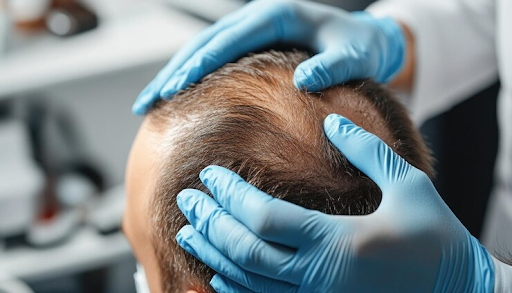
Deciding to address hair loss is a significant step that requires careful planning and research. London is home to some of the world’s leading trichologists and surgical facilities, offering a variety of solutions ranging from Follicular Unit Extraction (FUE) to Scalp Micro Pigmentation (SMP). However, the success of your journey starts well before the actual procedure. Your initial consultation is the foundation of your treatment plan, and being prepared ensures you get the most accurate assessment possible.
Whether you are looking into a full surgical restoration or considering SMP in London to add density to thinning areas, here is how you can prepare for your first visit to a specialist.
Documentation and History Gathering
During your first visit, a specialist will need to understand the history of your hair loss. This is not just about looking at your scalp today; it is about identifying patterns and potential causes that could affect the longevity of your results.
Documenting Your Hair Loss Timeline
It is helpful to provide the consultant with a rough timeline of when you first noticed thinning.
- Has the loss been gradual over several years, or did it happen suddenly?
- Are there specific areas, such as the temples or the crown, that have thinned faster than others?
- Have you noticed any patches of hair loss on other parts of your body?
If you have photos from two or three years ago, bring them along. These “before” images help the surgeon determine the rate of progression, which is vital for planning how many grafts you might need for a London hair transplant now and in the future.
Listing Current and Past Treatments
Your specialist needs to know what you have already tried. Make a list of any over-the-counter lotions, prescription medications, or natural supplements you have used to combat hair loss. This includes things like Minoxidil or Finasteride. Be honest about how long you used them and if you noticed any side effects. This information helps the specialist decide if you should continue these treatments alongside your surgery or if a different approach is required.
Physical Preparation of the Hair and Scalp
How you present your hair on the day of the consultation can actually change the advice you receive. While it might be tempting to hide thinning areas with styling products, a “natural” look is much more useful for a clinical assessment.
Arriving with Natural Hair
Avoid using hair fibres, thickeners, or heavy styling gels on the day of your appointment. A specialist needs to see the natural “exit angle” of your hair and the true density of your donor area—usually the back and sides of the head. If you use scalp concealers or fibres, it can make it difficult for the consultant to perform a microscopic scalp analysis to check for signs of inflammation or scalp conditions that might delay surgery.
Considerations for SMP Preparation
If you are specifically interested in SMP in London, do not shave your head immediately before the visit unless that is how you normally wear it. The practitioner needs to see your natural hair colour and the remaining hair distribution to perfectly match the pigments to your follicles. This ensures the “stubble effect” looks seamless and realistic once the treatment is complete.
Questions to Ask Your Specialist

The consultation is your opportunity to interview the clinic as much as it is for them to assess you. A reputable London clinic will encourage questions and provide clear, straightforward answers.
Qualifications and Technique
Don’t be afraid to ask about the specific experience of the person performing the surgery.
- Who exactly will be performing the extractions and the incisions? In some clinics, technicians do much of the work, but a lead surgeon should always oversee the critical steps.
- Which technique is recommended for my hair type? Ask about the pros and cons of FUE versus FUT (strip surgery) for your specific case.
- What is the long-term plan? Hair loss is often progressive. A good specialist will explain how they intend to preserve your donor hair in case you need a second procedure ten years down the line.
Realistic Expectations and Recovery
One of the most important parts of the visit is aligning your expectations with what is surgically possible. Ask to see “long-term” results of previous patients with similar hair types to yours. Inquire about the downtime: How many days will you need to take off work? When can you return to the gym? Most London clinics suggest at least a week of restricted activity to ensure the grafts take hold.
Understanding the Costs and Logistics
London is a competitive market for hair restoration, and prices can vary significantly between Harley Street clinics and those in the surrounding boroughs.
Breaking Down the Quote
When you receive a quote, ensure it is all-inclusive. A transparent price should cover:
- The surgical procedure and local anaesthetic.
- All post-operative medications and specialised shampoos.
- A set number of follow-up appointments over the next 12 months.
Some clinics might suggest supplemental treatments, such as Platelet-Rich Plasma (PRP) therapy, to boost healing. Ask if these are included in the primary cost or if they are optional extras.
Travel and Aftercare
Consider the logistics of getting to and from the clinic. After a hair transplant, you may feel tired or have slight swelling, and you won’t want to navigate a busy Tube station immediately. Plan for a private car or have a friend drive you home. If you are travelling from outside London, you might want to book a nearby hotel for the first night so you can return for a check-up and your first hair wash the following morning.
Making Your Decision
A consultation should never feel like a high-pressure sales pitch. If you feel rushed or if the clinic is offering “today only” discounts, it may be a sign to look elsewhere. The best hair specialist in London will give you the time to go home, reflect on the information, and make a decision that feels right for your lifestyle and goals.
By arriving prepared with your history, a clear scalp, and a list of targeted questions, you turn your first visit into a productive step toward restoring both your hair and your confidence.