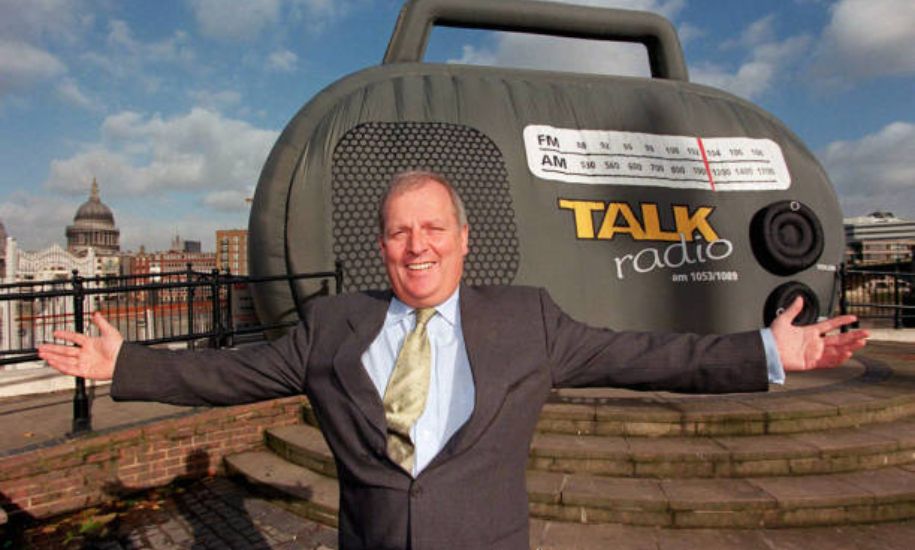
Kelvin MacKenzie is one of the most controversial and influential figures in modern British tabloid journalism. Best known as the long-serving editor of The Sun newspaper during the 1980s and early 1990s, MacKenzie helped shape the tone of British popular media with a mix of aggressive populism, political partisanship, sensational headlines, and unapologetic provocation.
For supporters, he was a fearless editor who understood his readers and revolutionized tabloid journalism. For critics, he symbolized everything toxic about the press: distortion, cruelty, and irresponsibility. Decades after leaving The Sun, MacKenzie remains a polarising figure, frequently making headlines for his opinions, social-media posts, and unresolved legacy—especially regarding Hillsborough.
Early Life and Rise in Journalism
Kelvin Calder MacKenzie was born on 22 October 1946 in England. He entered journalism in the late 1960s, working for publications such as The Daily Mail and The Daily Mirror. His talent for sharp copy, provocative framing, and instinct for controversy quickly became apparent.
In 1981, at just 34 years old, he was appointed editor of The Sun. His rise coincided with a period of political and social upheaval in Britain, providing fertile ground for his editorial style to flourish.
Kelvin MacKenzie and The Sun: Power, Politics, and Populism
MacKenzie served as editor of The Sun from 1981 to 1994, a period during which the paper reached enormous circulation and cultural influence.
Political Alignment
Kelvin MacKenzie was openly Thatcherite in outlook. Under his leadership, The Sun became a powerful supporter of Conservative politics, most notably backing Margaret Thatcher and later John Major. The paper’s famously aggressive anti-Labour stance—particularly against Neil Kinnock—cemented its reputation as a political kingmaker.
MacKenzie has since remained politically outspoken, often aligning with right-wing populist positions on immigration, crime, policing, and national identity. Although he flirted with the idea of standing for political office in the late 2000s, he never became an MP.
Kelvin MacKenzie and Hillsborough: The Defining Controversy
No discussion of Kelvin MacKenzie can avoid Hillsborough.
The 1989 Front Page
Following the Hillsborough disaster in April 1989, The Sun published a front page headline reading “The Truth”, which falsely accused Liverpool fans of drunkenness, violence, and causing harm to emergency services.
The story was based on misinformation from police sources and was later proven to be entirely false. The coverage caused immense pain to victims’ families and the city of Liverpool.
Long-Term Impact
The Hillsborough coverage remains the most damaging episode of MacKenzie’s career. The Sun has faced a decades-long boycott across Merseyside, and MacKenzie himself is still widely condemned.
MacKenzie later said he had been “duped” by police and expressed regret, but many families and campaigners argue his apologies came too late and lacked sincerity. His continued public profile has kept the controversy alive, making Hillsborough inseparable from his legacy.
Kelvin MacKenzie Politics After The Sun
After leaving The Sun in 1994, MacKenzie remained active in media and political commentary. He wrote columns for various newspapers and appeared on television and radio.
His politics have consistently leaned right-wing, with strong views on:
Law and order
Immigration
Islam and multiculturalism
Free speech and political correctness
These views have repeatedly landed him in controversy, reinforcing his reputation as a provocateur rather than a consensus-builder.
Kelvin MacKenzie Twitter / X: A Platform for Provocation
Kelvin MacKenzie is active on X (formerly Twitter), where his posts frequently generate backlash, debate, and media coverage.
Kelvin MacKenzie on X
On the platform, MacKenzie shares:
Political commentary
Personal anecdotes
Attacks on public figures
Defences of his past actions
His posts are often quoted by news outlets, ensuring that even decades after his editorial peak, he remains a fixture in the UK’s media conversation.
Kelvin MacKenzie News and Public Appearances
MacKenzie continues to appear in news cycles, often due to:
Controversial columns
Social-media statements
Interviews defending his record
Discussions about Hillsborough anniversaries
In 2017, he was dropped as a columnist by The Sun after writing a piece comparing footballer Ross Barkley to a gorilla—an incident widely condemned as racist. This episode effectively ended his mainstream newspaper career but did not silence him.
Kelvin MacKenzie on Pointless
In 2014, Kelvin MacKenzie appeared on Pointless Celebrities, a BBC quiz show. His appearance triggered complaints from viewers who objected to his inclusion due to his Hillsborough role.
The controversy demonstrated how deeply public feeling about MacKenzie runs and how even light-hearted television appearances can reignite debate around his past.
Kelvin MacKenzie Height and Personal Details
Searches for “Kelvin MacKenzie height” are common, but there is no verified or authoritative public record of his height. Unlike athletes or entertainers, such personal physical details were never formally documented or publicised.
Where Does Kelvin MacKenzie Live?
Public records and company filings have linked Kelvin MacKenzie to Weybridge, Surrey, through correspondence and business addresses. As with many public figures, exact residential details are not publicly confirmed, but Surrey has frequently been cited in reputable sources.
Joanna Duckworth and Kelvin MacKenzie
The name Joanna Duckworth appears in biographical references to Kelvin MacKenzie in relation to the late 1990s. Contemporary media reports identified her as a News International employee who was photographed holidaying with MacKenzie.
While not a major part of his public narrative, the association is sometimes mentioned in biographical summaries and online searches.
Kelvin MacKenzie on Reddit and Public Opinion
On Reddit, Kelvin MacKenzie is frequently discussed in threads about:
Hillsborough
British tabloid ethics
Media accountability
Free speech controversies
Reddit discussions overwhelmingly reflect negative sentiment, particularly from football fans and media-criticism communities. While not authoritative sources, these conversations illustrate how MacKenzie is perceived by large segments of the public.
Assessing Kelvin MacKenzie’s Legacy
Kelvin MacKenzie’s influence on British media is undeniable. He:
Helped redefine tabloid journalism
Demonstrated the political power of mass-market newspapers
Left a legacy that is still debated decades later
At the same time, his career serves as a case study in the ethical limits of journalism and the long-term consequences of irresponsible reporting.
Final Thoughts
Kelvin MacKenzie remains a figure who provokes strong reactions—anger, criticism, and, among some supporters, admiration. His career encapsulates the highs and lows of tabloid power: immense influence paired with lasting harm.
As media accountability and ethics continue to evolve, MacKenzie’s story is frequently revisited as a warning, a lesson, and a reminder of journalism’s responsibility to truth.
This article is published on Globe Gist, where we examine influential figures, media legacies, and the stories that continue to shape public debate.
You may also read: Lucy Hockings: BBC Journalist, Career, Personal Life, and Net Worth