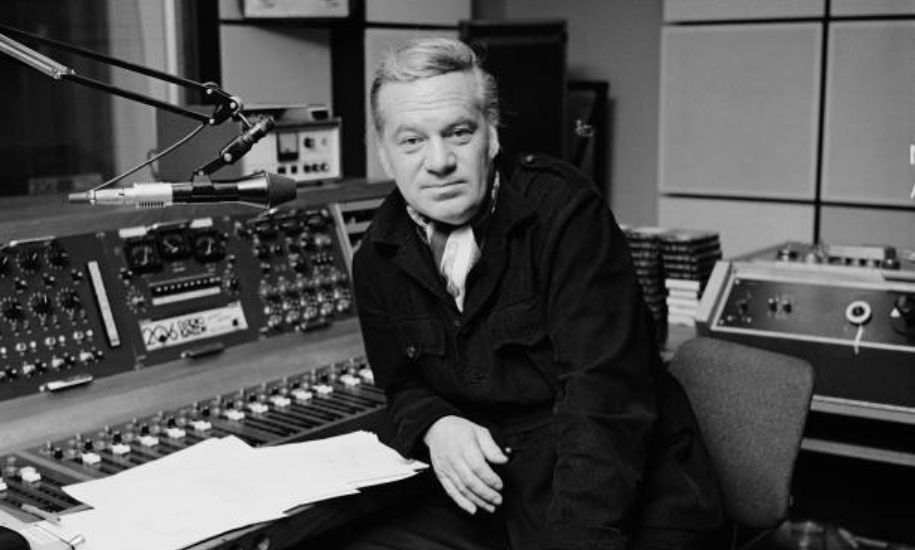
Reginald Bosanquet was one of Britain’s most recognizable television newsreaders during the golden era of broadcast journalism. Best remembered as a long-serving anchor on ITN’s flagship program News at Ten, Bosanquet became a familiar face in millions of British homes from the late 1960s through the 1970s.
At a time when television news carried an air of authority and formality, Bosanquet stood out for his distinctive delivery style. He had a slightly languid tone, an upper-class accent, and a composed presence that contrasted with some of his contemporaries. Viewers either admired his calm authority or found his delivery unusual—but few forgot him.
Before rising to national fame, Bosanquet worked in print journalism. His early career included reporting roles that sharpened his storytelling skills. Eventually, he transitioned into broadcasting and joined Independent Television News (ITN), where his career flourished.
By the late 1960s, Bosanquet had become one of the principal anchors of News at Ten, the UK’s first regular half-hour evening news bulletin. The program became a defining part of British television history—and Bosanquet became one of its defining personalities.
Quick Bio Table
| Full Name | Reginald Tindal Kennedy Bosanquet |
|---|---|
| Born | 9 August 1932, London, England |
| Died | 27 May 1984, Chelsea, London |
| Age at Death | 51 years |
| Nationality | British |
| Profession | Journalist, Television Newsreader |
| Famous For | Anchor of News at Ten (ITN) |
| Years Active | 1950s–early 1980s |
| Spouses | Karin Lund, Felicity Fearnley-Whittingstall, Joan Adams |
| Children | At least one daughter (Delilah Bosanquet) |
Reginald Bosanquet’s Broadcasting Style: The Wink and the Wig
Two peculiar aspects of Bosanquet’s public image often surface in discussions about him: the so-called “wink” and the “wig.”
The Wink
Many viewers recall what appeared to be a slight wink or eye movement during broadcasts. Whether intentional or simply a natural blink captured at the wrong moment, it became part of his on-screen persona. In the age before social media, such quirks traveled through word-of-mouth and comedic impressions rather than viral clips.
Comedians and impressionists of the 1970s frequently mimicked Bosanquet’s delivery style and eye expressions. The “wink” became shorthand for his slightly unconventional presentation style. However, there is no confirmed evidence that he intentionally winked at viewers—it was more likely a mannerism amplified by public perception.
The Wig Rumor
Another persistent rumor surrounded his hair. Some critics and comedians speculated that Bosanquet wore a wig. The rumor was never officially confirmed and appears to have grown out of his carefully maintained, distinctive hairstyle. During the 1970s, public figures were often subject to playful (and sometimes unkind) speculation about their appearance.
Whether fact or fiction, the “wig” rumor became part of Bosanquet’s cultural footprint. It symbolized how recognizable he had become—when audiences debate your hairstyle, you’ve clearly left an impression.
The Famous “Cat” Incident
One of the most talked-about stories linked to Reginald Bosanquet involves a cat rescue report that took an unexpected turn.
According to widely shared recollections, Bosanquet reported on a light-hearted story involving firefighters rescuing a cat from a tree. The incident reportedly ended tragically when the rescued cat later died—sometimes described as being accidentally run over by a fire engine.
Over time, the anecdote evolved into a kind of broadcasting folklore. Variations of the story circulated, sometimes embellished, sometimes humorously retold. While archived verification of the exact script is limited, the tale became part of Bosanquet’s legend.
The reason the story endured was simple: it perfectly captured the unpredictability of live news. A feel-good ending that suddenly turned somber was the kind of tonal shift that left a lasting impression on viewers.
Whether remembered exactly as it happened or slightly reshaped by nostalgia, the “cat story” remains one of the most frequently referenced anecdotes about Bosanquet.
Reginald Bosanquet’s Wife and Marriages
Reginald Bosanquet was married three times during his life.
His first marriage was to Karin Lund in 1955. Details about this relationship remain relatively private, reflecting the more reserved reporting style of the era.
He later married Felicity Fearnley-Whittingstall in the mid-1960s. This marriage brought him into wider social circles and lasted until 1975. Felicity was part of a prominent British family, and their union attracted media interest at the time.
In 1983, just a year before his death, Bosanquet married Joan Adams. This final marriage came during a period when his health was already in decline.
Despite his public career, Bosanquet kept much of his private life away from the spotlight. Unlike modern media personalities, he lived in an era when journalists were rarely the subject of celebrity-style reporting.
Reginald Bosanquet’s Children and Daughter
Bosanquet had children, including a daughter named Delilah Bosanquet, often mentioned in press references. His family appeared at memorial events and public services following his death.
Compared to contemporary media figures, there is limited publicly documented information about his children. This is largely because Bosanquet belonged to a generation of broadcasters who maintained strict boundaries between professional and personal life.
Nevertheless, references to his daughter—sometimes searched online under “Reginald Bosanquet daughter”—indicate continued public interest in his family legacy.
Reginald Bosanquet Cause of Death
Reginald Bosanquet died on 27 May 1984 at the age of 51.
The cause of death was pancreatic cancer. Reports indicate that he had been suffering from illness for some time before his passing. His death occurred at his home in Chelsea, London.
Pancreatic cancer is known for being particularly aggressive and often diagnosed at advanced stages. Bosanquet’s early death shocked colleagues and viewers alike, especially given his relatively young age.
His passing marked the end of a distinctive broadcasting era. Memorial services were attended by colleagues and figures from the British media world, underscoring the respect he commanded within the industry.
When Did Reginald Bosanquet Die?
To directly address a common search query: Reginald Bosanquet died on 27 May 1984.
His death closed a chapter in British television journalism that had been defined by authoritative voices, formal presentation, and appointment viewing. For many viewers who grew up watching News at Ten, his absence was deeply felt.
Career Legacy and Cultural Impact
Reginald Bosanquet’s career spanned a transformative period in British media. Television news was becoming more immediate, more visual, and increasingly central to national life.
He was among the generation that established ITN as a credible rival to the BBC. His calm delivery style, distinctive voice, and composed demeanor helped shape public expectations of what a news anchor should be.
Though occasionally parodied, Bosanquet was widely respected within professional circles. His quirks—whether the supposed wink or wig—only enhanced his memorability.
Unlike today’s fast-paced, personality-driven news cycle, Bosanquet represented a more restrained broadcasting style. Yet, paradoxically, it was his subtle individuality that made him stand out.
Why People Still Search for Reginald Bosanquet
Search terms such as “Reginald Bosanquet cause of death,” “Reginald Bosanquet wife,” “Reginald Bosanquet cat,” and “Reginald Bosanquet wig” reveal how his legacy persists decades after his death.
Part nostalgia, part curiosity, and part historical interest, these searches show that Bosanquet remains a notable figure in British television history.
In an era dominated by 24-hour news and digital media, looking back at figures like Bosanquet offers insight into how broadcast journalism evolved—and how certain personalities became woven into national memory.
Final Thoughts
Reginald Bosanquet was more than just a newsreader. He was a defining voice of British television during a pivotal era. From his years at ITN’s News at Ten to the anecdotes that still circulate about him, he remains a figure of both authority and intrigue.
His early death from pancreatic cancer cut short a distinguished career, but his impact continues to resonate. Whether remembered for his calm delivery, rumored wig, subtle wink, or the infamous cat story, Bosanquet occupies a unique place in broadcasting history.
This detailed feature on Reginald Bosanquet is published as part of our historical personality coverage on Globe Gist, where we explore the lives and legacies of notable public figures.
You may also read: Alastair Burnet: Biography, Career, and Cause of Death Explained