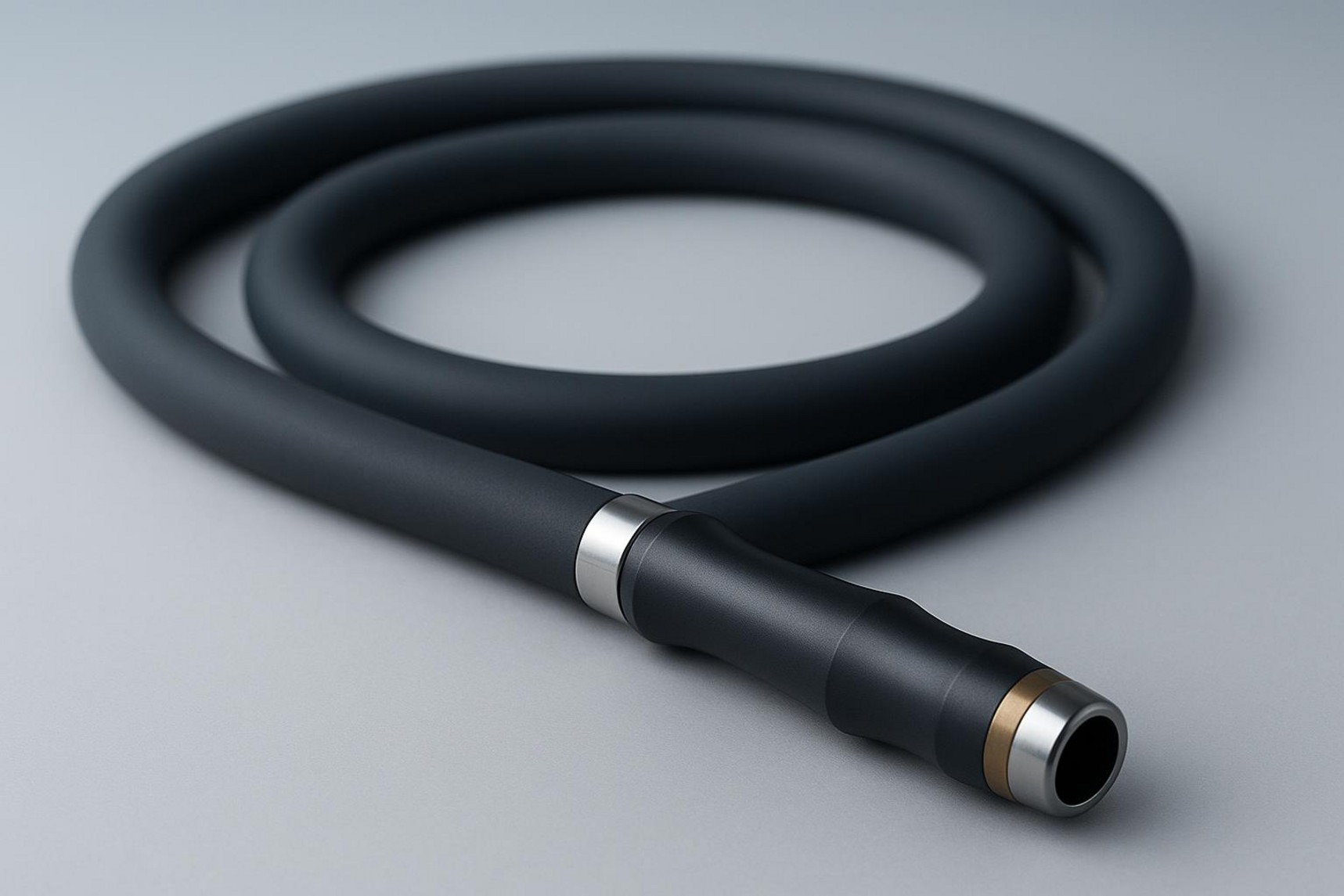
Mouthpiece quality matters because it is the one part that comes into direct contact with the smoke and the smoker. It affects airflow resistance, flavor, cleanliness, and comfort. A poorly made mouthpiece may add chemical tastes, create irritating air leaks, restrict the draw, or hold harmful bacteria. A well-made, accurately built mouthpiece provides an open, smooth draw while helping the shisha keep its intended flavor.
When putting together a hookah setup, many enthusiasts spend a lot on handmade glass bases, accurately turned stems, and crafted clay bowls. Yet the hose tip is often treated as an afterthought. Replacing it with a refined hookah mouthpiece by Shisha Boutique can turn a basic smoke into a more enjoyable sensory experience. Learning how this small accessory works can help anyone get better performance and greater peace of mind.
What Is a Hookah Mouthpiece and Why Does Its Quality Matter?
A hookah mouthpiece, also called a hose tip or handle, is the part attached to the end of the flexible hose. The smoker draws cooled smoke from the water pipe through it. Although it may look like a simple decorative tube, it serves as the final opening in the airflow path and the last surface the smoke passes through before reaching the mouth. The accuracy of its inner opening and connection points affects the vacuum created during each inhale.
The mouthpiece also has a close connection to the smoker’s senses. It rests against the lips and stays in the hand during sessions that may last an hour or longer. If it is made from porous, unstable, or low-cost plastic, it can reduce physical comfort and affect the flavor of the tobacco. It may also make it harder to keep the smoking area clean.
How the Mouthpiece Affects Airflow and Flavor Delivery
The inside shape of a mouthpiece controls how smoke moves from the flexible hose into the mouth. A wide inner channel with a smooth, even finish creates less drag, allowing thick clouds to pass through without collecting along rough walls. Sudden narrow sections, rough tool marks, or leftover plastic edges can create turbulence and reduce cloud thickness.
Flavor also depends on the material inside the airflow path. Good materials allow the aromatic oils and flavor compounds in modern shisha blends, from bright citrus to rich spiced vanilla, to reach the palate without changes. Low-quality mouthpieces may absorb wet molasses on their inner walls. This creates a lasting old flavor that mixes with new tobacco and adds stale or bitter notes.
Why Mouthfeel, Fit, and Comfort Shape the Session
Comfort is closely linked to the shape and balance of a hookah mouthpiece. An awkward edge, sharp seam, or very wide tip can make it difficult to form a natural lip seal and may cause jaw tiredness during a long session. Quality tips have smooth curves, sloped edges, or rounded ends that sit comfortably against the lips without extra effort.
Hand comfort matters as well. A well-planned mouthpiece keeps its weight balanced in the palm, which helps reduce wrist strain while holding the hose. Textured sections, shaped finger rests, or soft finishes improve grip. They help keep the handle from slipping when condensation or warm conditions make the hands damp during a social gathering.
Can a Quality Mouthpiece Make Hookah Smoking Safer?
No mouthpiece can make waterpipe smoke harmless. Hookah smoke still contains carbon monoxide, heavy metals, aldehydes, and nicotine. A high-quality mouthpiece can, however, reduce some additional risks linked to harmful material fumes and the spread of bacteria. Certified food-safe materials are less likely to release volatile chemicals or plastic softeners when exposed to warm, humid airflow.
Accurate manufacturing also reduces tiny pores where moisture, saliva, and leftover shisha liquid can collect. These areas can support bacterial and mold growth. Choosing a mouthpiece that can be cleaned well and withstand warm conditions helps reduce exposure to microorganisms that may grow inside neglected, low-grade accessories.
How Does Mouthpiece Quality Improve the Hookah Experience?
A well-made mouthpiece can improve each draw right away. It controls the final part of the airflow path, so consistent dimensions help keep pressure steady throughout the hookah. When unnecessary friction at the hose tip is removed, the bowl, stem, water level, and hose work together more smoothly.
The feel of a solid, well-finished accessory also adds to the smoking ritual. Moving from thin, light plastic to polished metal, clean silicone, or hand-blown glass gives the setup a stronger sense of quality. This can make both private relaxation and social smoking more enjoyable.
Improves Draw Resistance and Smoke Volume
Draw resistance comes from every narrow point in the airflow route, starting at the bowl and continuing through the stem, diffuser, hose, and mouthpiece. A mouthpiece with a properly sized, wide inner channel lets a smoker take a normal inhale, often around one liter over several seconds, without feeling as if they are pulling through a blocked straw.
Reducing needless resistance at the end of the hose makes it easier to produce large clouds. A relaxed draw also reduces the need for strong suction, which can otherwise raise the heat on the coals and make the shisha burn unevenly. With steadier pressure, the tobacco can heat at a more even rate instead of scorching during sudden pulls.

Preserves the Intended Shisha Flavor
Crafted shisha blends can contain several layers of flavor, including natural extracts, honey, glycerin, Virginia tobacco, and dark-leaf tobacco. Mouthpieces made from non-porous, high-quality materials are less likely to react with the vapor. The flavors prepared in the bowl can reach the tongue with their main notes and smaller details intact.
Poorly made mouthpieces may reduce soft floral or mint flavors because their inner surfaces hold drops of flavored moisture. A better mouthpiece creates a neutral path for the vapor. This allows blends such as double apple, white peach, and spiced chai to show their different aromas clearly from the first coal until the final draw.
Reduces Unwanted Taste and Odor Retention
Flavor ghosting means that the smell and taste of an earlier tobacco session remain in the equipment. It can interfere with clean flavor. Cheap plastics, unfinished wood, and low-cost metal alloys absorb odor compounds quickly. A strong mint or coffee blend used on Friday may then affect a delicate citrus blend the next day. High-quality mouthpieces are much less likely to hold these compounds.
Because non-porous materials do not absorb much odor, a rinse with warm water may be enough to return a premium tip to a neutral state. This makes it easier to switch between very different shisha flavors on different days without bringing across musty or unwanted tastes.
Increases Comfort During Longer Sessions
A hookah session commonly lasts between 45 and 90 minutes and may include hundreds of draws. During that time, the feel of the mouthpiece becomes very noticeable. Premium models often have a balanced weight that feels solid without becoming tiring. This keeps the arm comfortable whether the smoker is sitting on a low sofa or at a high table.
Temperature control also affects comfort. Materials that handle heat poorly may become warm from the air inside the mouthpiece or from the surrounding room. Better accessories release extra heat more effectively and stay at a comfortable temperature against the lips during a long session.
Supports More Reliable Hookah Performance
High-end accessories are built for steady performance. A well-made mouthpiece has consistent dimensions and fits firmly into the silicone hose without sliding out during a draw. This keeps the airflow settings used at the start of the evening the same until the coals are finished.
Strong materials can also handle small knocks, drops, and repeated washing without changing shape. When the mouthpiece keeps an airtight connection and a clear inner channel over time, the whole hookah works in a predictable and easy way. Durable, precisely made mouthpieces like this are available at Shisha Boutique.
What Problems Can a Low-Quality Mouthpiece Cause?
Cheap accessories can cause problems almost immediately. They are often made with loose quality checks, which can lead to poor fits, rough seams, and materials that give off unwanted chemicals. A small saving at checkout can soon lead to several performance issues that affect an otherwise good hookah.
Low-grade accessories may also wear out from the inside without obvious signs. Small cracks and openings can collect saliva, tobacco molasses, and dust. Over time, these damaged surfaces can hold bad odors and support bacterial growth, making the entire smoking area less clean.
Loose Connections and Air Leakage
A common problem with inexpensive mouthpieces is a connector stem that is not sized correctly. If the part entering the hose is slightly too narrow or has no useful taper, it may wobble, slip, and pull in outside air. This leak weakens the smoke and can lead to thin clouds and less concentrated flavor.
Some people try to fix the issue with tape or wet paper towels. These temporary fixes look poor, are not very clean, and usually do not last. A good mouthpiece is made to exact measurements so its connector forms a tight, airtight fit with standard silicone tubing.
Restricted Airflow and Weak Smoke Production
Low-grade mouthpieces often have poor internal design. To use less material, some manufacturers make the walls too thick and the inner opening too narrow. This creates a blockage that makes the smoker pull harder than necessary. A relaxing activity can start to feel like work.
Narrow airflow also lowers smoke volume. With the draw restricted, heat may build unevenly in the bowl instead of moving through the shisha in a steady way. The top layer can burn, creating harsh smoke while the mouthpiece produces only small, thin clouds.
Unpleasant Plastic, Metal, or Residual Flavors
The sharp smell of industrial plastic or the bitter taste of cheap, uncoated metal can quickly spoil a session. Mouthpieces made from unknown resins or recycled plastic may release synthetic odors when warm, humid smoke passes through them. These odors can overpower the natural shisha flavors.
Washing may not remove these smells from low-grade materials. Instead of tasting berries or fresh mint, the smoker may notice plastic-like chemicals and heavy, stale odors. This makes the whole session unpleasant.
Sharp Edges, Heat Transfer, and Uncomfortable Contact
Cheap plastic mouthpieces made in rough molds may have leftover material lines, uneven seams, or edges that were not smoothed. These rough areas can irritate the lips and make a relaxed evening uncomfortable.
Thin metal mouthpieces made from poor materials may also transfer heat quickly when warm smoke stays inside an open chamber. If the tip becomes too hot or has rough surfaces that touch the lips, it takes away from the physical comfort of the session.
Cracking, Discoloration, and Premature Wear
Low-quality plastics and thin acrylics can break easily. Tobacco liquid, repeated rinsing with hot water, and common cleaning soaps may cause tiny surface cracks, a problem often called crazing. These small cracks can spread until the mouthpiece breaks or stops working properly.
Cheap materials may also lose their color or react with air quickly. Clear acrylic can become yellow or cloudy, painted surfaces may peel onto the hands or lips, and untreated metal can corrode. These changes leave stains and make the hookah look worn.
Which Mouthpiece Materials Are Used for Hookah Accessories?
Modern hookah mouthpieces come in many materials. Each one has different strengths related to appearance, feel, weight, cleaning, and resistance to damage. The right choice depends on practical needs such as washing and impact resistance, as well as personal preferences about warmth and how the draw feels.
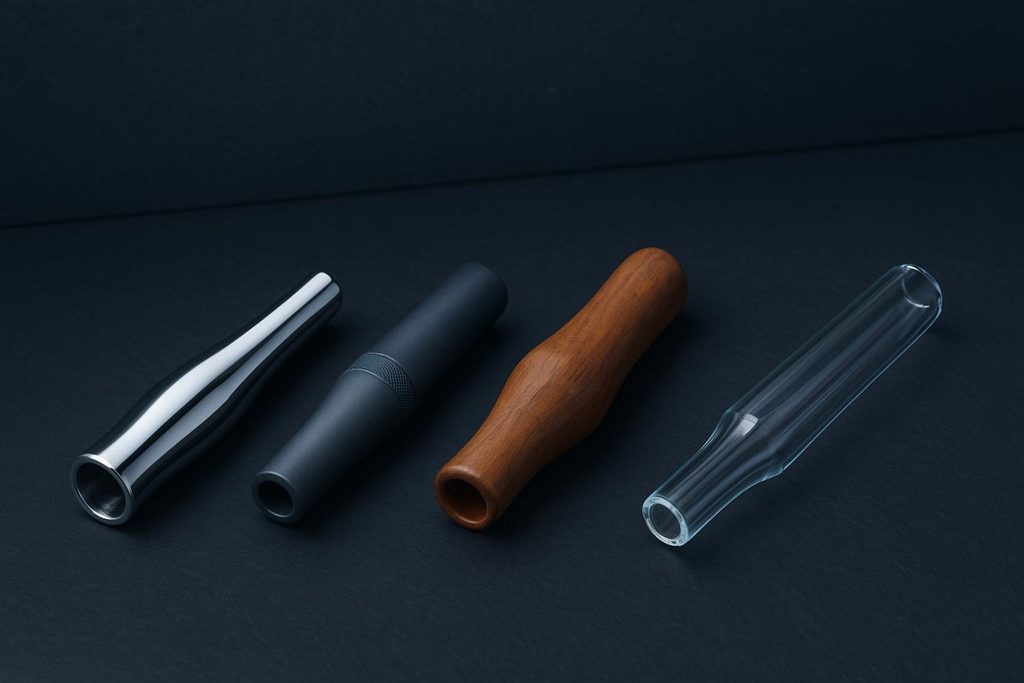
Options range from traditional hardwood to modern medical-grade metal and borosilicate glass. The material affects how the mouthpiece feels and how it should be cared for. Comparing these options can help you choose an accessory that matches your smoking habits and cleaning routine.
Stainless Steel Mouthpieces: Durability and Easy Cleaning
Stainless steel, especially grades such as V2A or AISI 304, is a popular choice for hookah mouthpieces. It is very strong, does not rust easily, and is unlikely to bend or dent if dropped on a tiled floor. Its heavier feel also gives many smokers a sense of quality and stability in the hand.
Stainless steel is easy to maintain. Its non-porous surface does not readily absorb molasses or odors. You can clean it with boiling water, mild disinfectants, or special cleaning products without damaging a polished or brushed finish.
Aluminum Mouthpieces: Lightweight Performance
Anodized aluminum is widely used in current hookah designs. It combines good strength with low weight, so aluminum mouthpieces are easy to hold during long sessions. The lighter design can help reduce tiredness in the hand and arm, making it suitable for regular casual use.
Anodizing creates a protective oxide layer over the aluminum. This helps resist corrosion and allows manufacturers to offer bright, matte, or glossy colors. Harsh acid cleaners and rough scrubbers should be avoided because they may damage the coating and expose the aluminum below.
Wooden Mouthpieces: Traditional Feel and Maintenance Needs
Wooden mouthpieces have a natural warmth and traditional look that manufactured materials cannot fully copy. They are often turned from hardwoods such as olive, walnut, or oak. These handles feel pleasant in the hand and connect modern smoking with the long history of waterpipe use.
Wood needs careful care. Its natural grain can absorb water, which may lead to swelling, mold, and strong leftover flavors. Better wooden mouthpieces solve this issue by using an inner tube made from stainless steel or brass. The tube keeps moisture away from the outer wooden cover.
Plastic and Acrylic Mouthpieces: Affordability and Disposable Use
Polypropylene, acrylic, and molded plastics are common in low-cost and disposable hookah accessories. Good polypropylene mouthpieces are flexible, resistant to many chemicals, and able to handle impacts. This makes them useful for travel and busy lounge settings.
Cheap acrylic is harder and more likely to crack when dropped. Basic plastic pieces offer low prices and practical use for group settings, but reusable versions should be checked for scratches inside. Deep scratches can hold bacteria after long use.
Silicone and Glass Components: Comfort, Taste, and Handling
Borosilicate glass mouthpieces offer a clean appearance and very pure flavor. Laboratory-grade glass is chemically inactive, so it does not add much taste to the smoke. This allows the different shisha notes to come through clearly. Glass does need careful handling because sudden temperature changes and impacts can break it.
Food-grade silicone is often used for soft grips, comfortable outer coatings, or protective ends on glass and metal mouthpieces. It is flexible, durable, safe for dishwashers, and comfortable to hold. These features give silicone a useful mix of comfort and resistance to everyday damage.
What Features Should You Check Before Buying a Hookah Mouthpiece?
Choosing a mouthpiece means looking beyond its outside appearance and checking how it is made. A handle may look attractive in a product photo but still work poorly if its inner channel is too narrow, its connector moves, or its weight becomes tiring after a short time.
A step-by-step check can help you find an accessory that works with your existing setup. Look at the inner channel, material information, and connection design before buying. These details have a direct effect on how the mouthpiece performs.
Choose a Smooth Bore for Consistent Airflow
Inspect the inside channel of the mouthpiece. For many modern open-draw hookahs, the opening is usually between 8 mm and 12 mm. It should be smooth and even from one end to the other. Steps inside the channel, sudden narrowing, or rough bits can create drag and turbulence, which may reduce cloud size.
A smooth inner channel is also easier to wash. Water and molasses vapor can move across the surface without catching on ridges. Regular rinsing can then remove more residue and help keep the draw clear.
Check the Mouthpiece Length, Weight, and Grip
Mouthpieces come in many lengths, from short travel handles of about 15 cm to lounge-style wands around 40 cm long. A longer handle may let you rest your hand in your lap while drawing, which can reduce arm movement. A short handle is easier to carry but may require you to lift your hand closer to your face for every puff.
Weight distribution matters too. If most of the weight sits at the far end, your fingers may need to keep pinching the handle to hold it level. Look for a mouthpiece with a balance point near the natural position of your hand. Ribbed, shaped, or matte surfaces can also make the grip more secure.
Match the Mouthpiece to the Hose and Hookah Port
Before ordering, check that the connector matches the inner width of your hose. Many modern silicone hoses have an inner diameter of about 10 mm to 12 mm and work with standard barbed connectors. If you use a leather, plastic, or fabric hose that is not standard, check the fit carefully.
Think about how the hose and handle will rest on the tray or in the hose holder. A very long, heavy metal mouthpiece attached to a small, light hookah may pull the device off balance if it is dropped or left hanging. This can create a tipping risk around hot coals.
Look for Secure Seals That Prevent Air Leaks
A carefully made connector barb helps the mouthpiece work properly. Tapered stems and small holding ridges can grip the inside of a silicone hose. They create a tight mechanical seal and help stop the mouthpiece from slipping during movement.
If the mouthpiece has several sections that twist apart for cleaning or travel, check the threads and inner O-rings. Clean, properly cut threads combined with food-grade silicone O-rings help stop outside air from entering through the joints and keep the draw sealed.
Select Materials That Resist Heat, Odor, and Corrosion
Check that every material in the accessory is suitable for contact with people and for warm, damp conditions. Product information should identify food-grade silicone, new polypropylene, or surgical stainless steel when those materials are used. Avoid unbranded products that do not state the metal type or use unclear chemical coatings.
Resistance to corrosion matters because the inside of the mouthpiece repeatedly meets warm water vapor and acidic tobacco byproducts. Non-reactive materials are less likely to rust, pit, change color, or give the smoke a bitter mineral taste after months or years of use.
Confirm Whether the Design Is Reusable or Disposable
Think about how you plan to use the mouthpiece. Are you buying one handle for daily personal use, or do you need several for large parties? A reusable handle is a long-term purchase that can be washed and sanitized many times. Its build, weight, and appearance may make it your main smoking accessory.
If you often host large groups or operate hookah tables, individually wrapped disposable tips made from recyclable food-grade polypropylene can be useful. Knowing whether your main goal is personal comfort or guest hygiene will help you set a suitable budget.
How Does Mouthpiece Hygiene Affect Hookah Accessory Quality?
Hygiene connects the physical quality of a mouthpiece with personal health. Hookahs produce warm, moist smoke, and this environment can support bacteria, yeast, and mold if the airflow path is not cleaned. The path includes the water base, hose, and mouthpiece.
The mouthpiece is at the end of this path, so it can receive bacteria from the mouth as well as moisture from breathing. Treating cleaning as part of accessory care helps keep hookah sessions cleaner and free from unpleasant buildup.
Why Shared Mouthpieces Increase Hygiene Concerns
Passing an uncleaned hookah hose from one person to another can spread germs. Saliva left on the mouthpiece may carry oral bacteria, respiratory viruses, and common bacteria such as Streptococcus and Staphylococcus. A social smoking session can then create a path for infection between guests.
Research has also found that fixed hose nozzles can hold many bacteria even when users believe they are cleaning them casually. For a cleaner group session, each person should have an individual sterile tip or a separate accessory that can be washed properly.
Clean Reusable Mouthpieces After Every Session
Cleaning a reusable mouthpiece only takes a short routine, but it needs to be done regularly. After each session, remove the handle from the hose and rinse the inner channel with warm running water. This removes glycerin, flavor oils, and moisture before they dry into a sticky layer.
For a deeper clean, soak non-porous handles in warm water with mild, unscented dish soap or baking soda for 20 to 30 minutes. Use a soft, narrow bottle brush or pipe cleaner to scrub the inside. Rinse the mouthpiece well with clean water and let it dry fully in a well-ventilated place.
When Should You Replace a Cracked or Stained Mouthpiece?
No smoking accessory lasts forever, especially when it is made from plastic, acrylic, or soft wood. Replace a mouthpiece if it has visible cracks, deep scratches, or cloudiness that does not go away. Tiny openings can hold bacterial layers that ordinary cleaning products may not remove.
A permanent stain or sour smell that remains after soaking and scrubbing is also a reason to replace the piece. These signs may show that the material has started to break down. Removing worn accessories protects cleanliness and keeps old residue from affecting fresh tobacco.
Should You Choose a Premium, Budget, or Disposable Mouthpiece?
The right choice between premium, budget, and disposable mouthpieces depends on how often you smoke, where you smoke, and who shares the hookah. A person who smokes alone at home may need something different from a busy lounge operator. Each type can work well when used for the right situation.
Compare the initial price with long-term strength, flavor quality, and cleaning needs before buying. These choices do not have to be separate. Many hookah owners keep one reusable handle for personal use and disposable tips for group sessions.
When a Premium Reusable Mouthpiece Offers Better Value
A premium reusable mouthpiece made from medical-grade stainless steel, carbon fiber, or thick borosilicate glass can be a good purchase for frequent solo smokers and serious home users. The initial cost is higher, but the handle can provide many enjoyable sessions without major problems.
These accessories usually offer better comfort, more consistent airflow, and strong resistance to flavor ghosting. They can last for years with regular cleaning. Because the same handle can be used again and again, the cost per session becomes low over its working life.
When a Budget Mouthpiece Meets Occasional Use Needs
People who smoke only once or twice a month may be happy with an aluminum, resin, or dense polypropylene handle. These options can provide a wide draw and reasonable comfort at a much lower price than handcrafted designs.
Budget handles are also useful for travel, camping, and beach gatherings. At these events, expensive glass or designer metal accessories may be lost or damaged. With regular cleaning, a reliable low-cost mouthpiece can work well for occasional use.
When Disposable Mouthpieces Suit Group Sessions
Disposable mouthpieces are a practical sanitary choice for large parties, community events, and hookah lounges. Individually wrapped plastic tips let guests use the same hookah without putting their lips on a shared handle. This reduces the spread of saliva and germs.
Disposable tips come in different forms. Some are male plugs that fit inside the handle, while others are female caps that stretch over its outer rim. Choose tips made from new, recyclable, food-grade polypropylene and packaged in sealed individual sleeves.
Compare Upfront Price with Cleaning and Replacement Costs
Look at the total cost over time, not just the price at checkout. A cheap acrylic handle that breaks after three months may cost as much as one stainless steel handle that lasts for years. Frequent replacements also create more plastic waste.
Using disposable tips for one person’s daily sessions can also cost more and create unnecessary waste. A practical approach is to buy a high-quality reusable handle for personal use and keep an affordable supply of wrapped disposable tips for visitors.
Which Hookah Mouthpiece Should You Choose for Your Setup?
The best mouthpiece depends on your main smoking habits. A setup used for large clouds, quiet solo sessions, or weekend parties may need a different handle for each situation. Matching the accessory to your routine can improve the way the whole hookah feels and works.
Think about how often you smoke, how regularly you clean your equipment, and what your hookah can safely support. These details can narrow the many available options and help you choose a model that suits your sessions.
Prioritize Hygiene for Shared Hookahs
If your hookah is used at social gatherings, choose a clean-sharing setup. A wide-channel handle made from non-porous metal or silicone, along with a supply of sealed, high-flow disposable tips, lets each guest use a fresh tip without reducing draw quality.
You can also use individual silicone tips with lanyards that guests wear around their necks. Each person can attach their own tip when the hose reaches them. This gives the group a modern and clean option while creating less waste than fully disposable handles.
Prioritize Comfort for Long Sessions
If you enjoy smoking while reading, working at a desk, or watching a film for 90 minutes, comfort should guide your choice. An anodized aluminum or carbon-composite mouthpiece keeps the weight low and can reduce hand tiredness.
Pay attention to the shape of the end. A rounded or gently flattened tip can sit between the lips with little effort. A comfortable, balanced handle lets you focus on relaxing instead of adjusting your grip or jaw.
Prioritize Durability for Frequent Use
For people who use several bowls each afternoon and evening, a strong mouthpiece is a sensible choice. Surgical-grade stainless steel, such as V2A, can handle hot washing, accidental drops, and daily use without showing much wear.
Stainless steel also resists the effects of humid smoke over time, helping the inner channel stay smooth. Combined with a strong, washable silicone hose, a stainless steel handle provides a dependable base for frequent hookah use.
Prioritize Compatibility Before Appearance
A bright finish, decorative resin pattern, or carved wooden cover may look attractive, but appearance should come after a proper fit. Before buying, check that the connector sits firmly in the silicone hose and forms a sealed joint without wobbling or leaking smoke.
Also check that the handle’s size and weight match the hookah base. A large, heavy metal mouthpiece can pull a very light tabletop hookah over, creating a danger near hot coals. The right mouthpiece should work well with the setup’s connections, balance, comfort, and appearance, giving you a reliable experience with every draw.
Also Read: Top 5 Most Affordable Rolex Watches