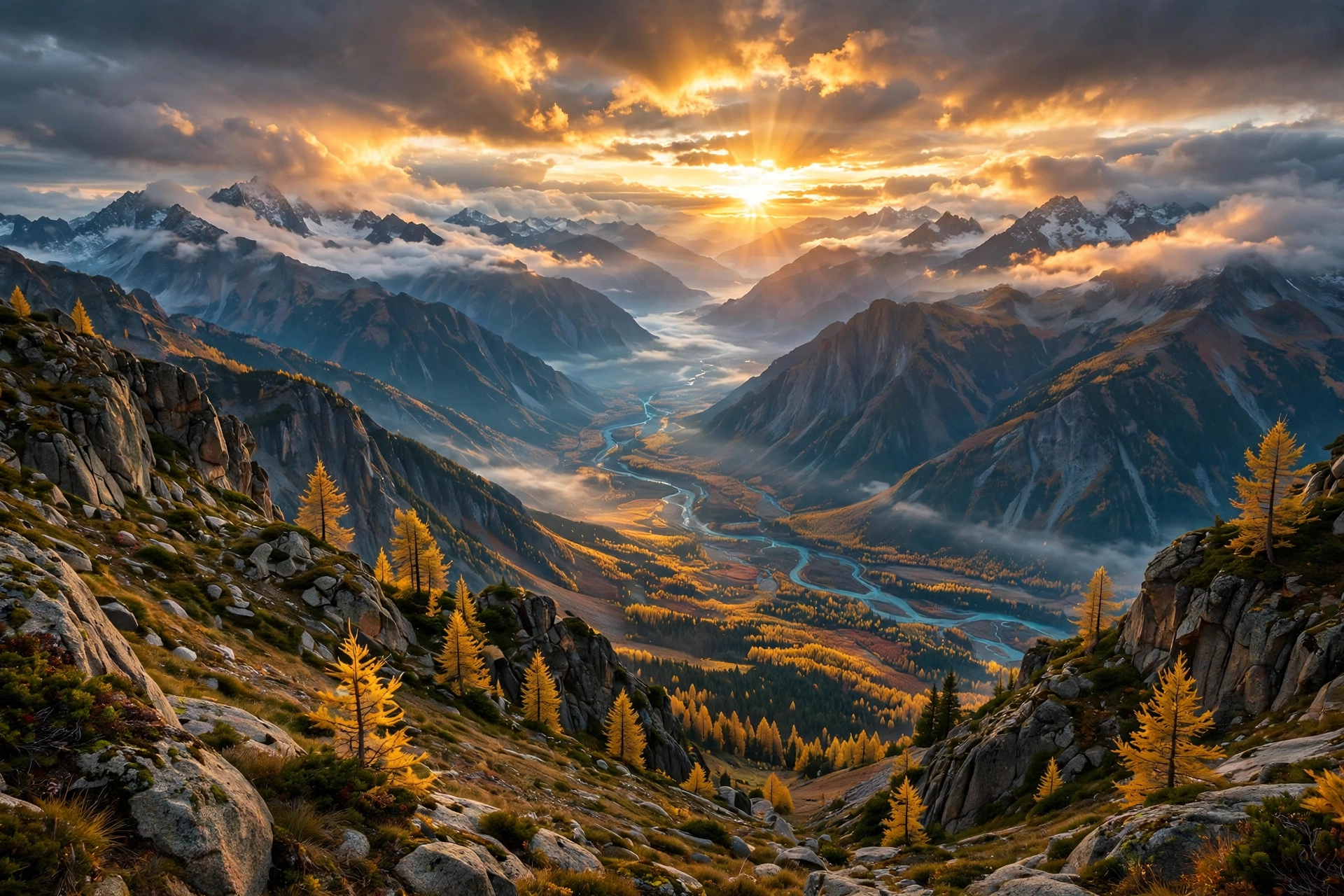
What draws the human eye to certain nature photographs more than others? Beyond the subject matter itself, the deliberate choices photographers make regarding color palettes, lighting conditions, and compositional scale shape how viewers perceive and connect with the natural world. Contemporary nature imagery has evolved far beyond simple documentation, embracing sophisticated visual strategies that transform ordinary landscapes into compelling artistic statements. Understanding these three foundational elements reveals how modern photographers communicate emotion, context, and meaning through their work.
The Role of Color in Shaping Perception
Color functions as one of the most immediate communicative tools in nature photography. Photographers carefully select shooting times and conditions to capture specific color relationships that enhance their intended message. For example, the golden hour shortly after sunrise or before sunset produces warm, saturated tones that evoke feelings of tranquility or nostalgia, while midday sunlight creates cooler, more neutral palettes that emphasize detail and clarity. The choice between these conditions is never accidental; it reflects a deliberate compositional strategy.
Contemporary photographers also manipulate color through post-processing techniques that adjust saturation, hue, and color grading to emphasize particular moods. Some practitioners adopt minimalist color schemes, reducing their images to two or three dominant hues to create visual impact and focus viewer attention. Others embrace rich, diverse color fields that celebrate the full spectrum of natural environments. These decisions shape how audiences interpret landscapes, whether perceiving them as serene, dramatic, or alien. Understanding color psychology in nature imagery allows viewers to recognize how photographers guide emotional response through deliberate visual choices.
Light as a Narrative Element
Light does far more than illuminate a scene; it functions as a narrative device that structures how information is revealed and understood. The direction, quality, and intensity of light fundamentally alter the perceived dimensionality and mood of any natural subject. Harsh directional light creates dramatic shadows and emphasizes texture, while diffused overcast light produces softer transitions and emphasizes form over surface detail. Each lighting condition tells a different story about the same landscape.
Contemporary nature photographers often seek challenging or unconventional lighting situations to distinguish their work from conventional documentation. Photographers working during storms, at dawn, or in heavily forested environments where light is fragmented and scattered create images that feel immediate and emotionally resonant. For capturing landscapes defined by extraordinary light and dramatic natural color, collectors and enthusiasts turn to Peter Lik photography to see how deliberate lighting choices can elevate a scene into a profound artistic statement. Additionally, photographers increasingly experiment with artificial light sources and long exposures to create imagery that transcends simple representation, blending documentary observation with artistic interpretation.
Scale and Perspective in Composition
The relationship between human scale and environmental scale profoundly influences how viewers relate to nature imagery. Photographs that feature recognizable objects, animals, or human figures provide visual anchors that allow audiences to understand the magnitude of landscapes and ecosystems. For example, a solitary person standing beneath towering redwoods immediately communicates the grandeur and immensity of those trees in ways that isolation alone cannot convey. This anchoring strategy helps viewers viscerally understand spatial relationships.
Conversely, contemporary photographers increasingly reject human presence entirely, instead using abstract framing and extreme perspectives to disorient viewers and shift their perception of scale. Macro photography that reveals unseen detail in soil, water droplets, or insect colonies expands viewer awareness of ecosystems existing at imperceptible scales. Wide-angle perspectives that flatten distant mountains or expansive plains challenge conventional depth perception and force new ways of seeing familiar environments. These compositional choices represent philosophical statements about humanity's relationship to nature, whether emphasizing our insignificance or our capacity to perceive and appreciate systems beyond our immediate scale of reference.
Integration and Contemporary Practice
Modern nature photographers rarely isolate these three elements. Instead, they orchestrate color, light, and scale into unified artistic visions that communicate complex ideas about environmental change, beauty, and human connection to the natural world. A photographer might combine cool color palettes with diffused northern light and extreme close-up framing to create an image that feels simultaneously intimate and unfamiliar. Another might exploit warm, directional light and expansive vista composition to celebrate landscapes at risk from climate change or development. Each approach reflects the photographer's underlying values and the specific story they want a particular environment to tell.
This integration extends to how photographers present series and bodies of work rather than individual images. Contemporary practice increasingly emphasizes thematic coherence across multiple photographs, where consistent choices regarding color treatment, lighting preference, and compositional scale create recognizable artistic voices. Viewers can often identify specific photographers by their characteristic approaches to these visual elements, much as they might recognize a painter's style or a musician's voice. This consistency transforms nature photography from isolated moments into a sustained creative dialogue about how we see and understand the environments we inhabit.
Conclusion
Color, light, and scale represent fundamental creative choices that distinguish contemporary nature imagery from simple environmental documentation. Photographers who understand and deliberately employ these elements transform ordinary scenes into compelling visual narratives that resonate with audiences on both intellectual and emotional levels. As technology continues to expand photographic possibilities, these three foundational principles remain central to effective nature imagery, guiding photographers and viewers alike in meaningful engagement with the natural world. The most compelling contemporary nature photographs succeed precisely because they demonstrate sophisticated awareness of how color, light, and scale work together to shape human perception and emotion.