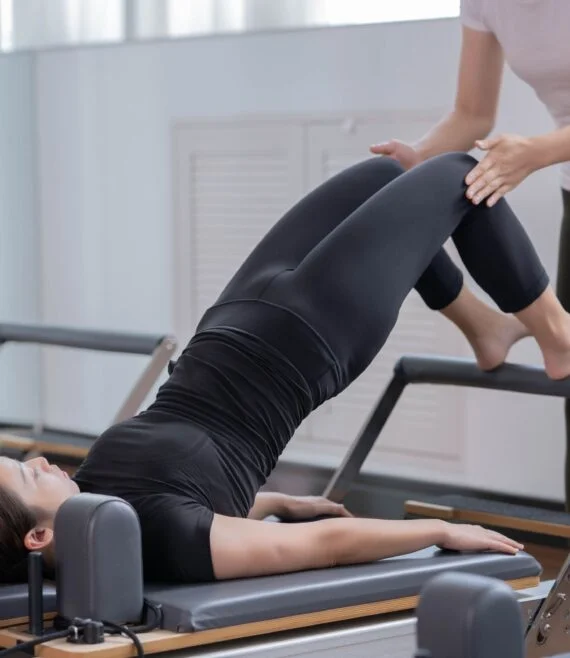
Most instructors I know don’t own the reformer they recommend. The best reformer Pilates machine an instructor would buy is usually mid-priced, unfashionable and slightly boring: no app, no folding trick, no marketing budget behind it. That isn’t modesty. It’s arithmetic. What fails first on a home reformer is rarely the frame. It’s the ropes, the springs and the adjustment points, and those wear out roughly in proportion to how complicated they are. Pay extra for convenience and you often pay again in parts two years later. So here’s the honest version: what I’d put in my own studio, what I’d put in a small flat, and the three features I refuse to trade away even when a client pushes back on price.
1. What Makes a Reformer Pilates Machine Worth Buying?
A quality Reformer Pilates Machine durability, comfort, and consistent performance. Since instructors may use the same machine for several sessions throughout the day, its construction needs to withstand regular movement and repeated adjustments.
The frame is a good starting point. Solid wood and high-quality metal frames can both offer excellent stability when properly manufactured. The carriage should glide smoothly along its tracks without unnecessary noise or resistance.
Comfort is equally important. Well-padded surfaces, supportive shoulder rests, and an adjustable headrest help accommodate different body types. A reliable machine should also have a footbar that can be positioned according to the exercise and the user’s mobility.
Ultimately, the best reformer is one that feels stable, operates smoothly, and maintains its performance over time.
2. The Features an Experienced Pilates Instructor Looks For
Instructors need equipment that can support a wide range of exercises and accommodate clients with different abilities. Several features deserve particular attention.
- Spring system: Different spring strengths allow instructors to adjust resistance for individual exercises and fitness levels. A versatile system makes it easier to create both challenging and gentle sessions.
- Adjustability: Footbars, headrests, and shoulder rests should offer multiple settings. This helps instructors adapt the machine to different body proportions and exercise requirements.
- Carriage quality: Smooth, quiet movement makes transitions more comfortable and helps maintain focus during sessions.
- Straps and handles: These should feel secure and comfortable, with enough adjustability to support different exercises.
- Safety features: Stable frames, reliable spring attachments, and secure locking mechanisms are essential for regular studio use.
An instructor would also consider how quickly the machine can be adjusted between clients. Small practical details can make a noticeable difference during a busy teaching schedule.
3. Best Types of Reformer Pilates Machines to Consider
Not every reformer is designed for the same environment. Understanding the main types can help instructors select equipment that suits their teaching style and available space.
Studio reformers are generally designed for frequent use. They often feature durable frames, comprehensive adjustment options, and professional-grade components. These are suitable for dedicated Pilates studios and instructors who teach several sessions daily.
Home reformers are typically designed for personal use. They can be more compact and affordable while still offering the essential features needed for effective workouts.
Foldable reformers are practical when space is limited. They can be stored between sessions, making them appealing to instructors who work from home or have multipurpose training rooms.
Tower reformers include an additional tower attachment that expands exercise possibilities. They support a wider variety of movements and can be useful for instructors who want more options when planning sessions.
4. Popular Reformer Pilates Machines an Instructor Might Recommend
When comparing reformers, instructors should consider established manufacturers and the specific features of each model rather than relying on popularity alone.
Brands such as Balanced Body, Merrithew, and Peak Pilates offer different reformer options for professional and personal use.
Balanced Body is known for its professional Pilates equipment, including reformers designed for studio environments. Its models offer different configurations and accessories, allowing instructors to choose equipment according to their teaching requirements.
Merrithew offers reformers with features designed to support controlled movement and varied resistance. Its equipment is worth considering for instructors who prioritize adjustability and versatility.
Peak Pilates is another established name, offering reformers for different training environments.
When comparing these manufacturers, look at carriage performance, spring configurations, available accessories, warranty coverage, and replacement part availability. The most expensive option is not automatically the best choice for every instructor.
5. Studio Use vs. Home Use: Which Reformer Should You Choose?
The right machine depends largely on where and how frequently it will be used.
A professional studio needs equipment that can handle multiple sessions throughout the day. Durability, easy adjustments, and consistent performance should take priority. Investing in a professional-grade reformer can make sense when it is an essential part of the business.
For home use, space and convenience may matter more. A compact or foldable model can be a sensible choice, particularly when the reformer needs to share space with other household activities.
Instructors who teach private sessions from home may need something between these two categories. A sturdy machine with professional features but a manageable footprint can offer a practical balance.
6. How Much Should You Spend on a Quality Pilates Reformer?
Reformer prices vary considerably depending on construction, materials, features, and intended use.
Entry-level machines generally focus on essential functionality and may suit beginners or occasional home users. Mid-range options often provide better construction, more adjustment settings, and additional accessories.
Professional reformers typically require a larger investment but are designed with frequent use in mind. For instructors, the initial purchase price should be considered alongside maintenance costs, warranty terms, and the availability of replacement parts.
Rather than choosing the cheapest available option, consider the machine’s expected lifespan and how often it will be used. A durable reformer that performs consistently may offer better long-term value than a less expensive model that needs frequent repairs or replacement.
7. Common Mistakes to Avoid When Buying a Reformer
Even experienced buyers can overlook important details when comparing Pilates equipment.
One common mistake is choosing a machine based on price or appearance alone. A stylish design does not necessarily indicate good construction or reliable performance.
Another is ignoring the machine’s dimensions and weight capacity. The reformer should fit comfortably into the intended space and accommodate its expected users.
Buyers should also check spring quality, resistance options, and adjustment mechanisms before making a decision. If possible, testing the carriage movement in person can help identify potential issues.
Finally, do not overlook warranty coverage and customer support. Access to replacement springs, straps, and other components can be particularly important for instructors who depend on their equipment every day.
8. How to Choose the Right Reformer for Your Pilates Practice
Start by identifying how the reformer will be used. A machine for a busy studio will have different requirements from one intended for occasional home workouts.
Next, consider the people who will use it. If you teach clients with different body types, fitness levels, and mobility needs, prioritize adjustable components and versatile resistance settings.
Check the manufacturer’s reputation, warranty, maintenance requirements, and available accessories. It is also worth reading reviews from other instructors who have used the equipment regularly.
Most importantly, focus on features that support your actual teaching needs. Additional accessories and premium finishes can be appealing, but they should not come at the expense of stability, comfort, and performance.
The best reformer Pilates machine is not necessarily the most expensive or feature-packed model. An instructor would prioritize reliable construction, smooth carriage movement, versatile resistance, comfortable adjustments, and long-term durability.
Whether buying equipment for a professional studio or a home teaching space, the goal is to find a reformer that supports different exercises and users without compromising the quality of the experience. Taking time to compare models, test essential features, and evaluate long-term costs can help make the investment worthwhile.