The electronics industry has experienced remarkable changes over the past few decades. Devices that once required large circuit boards and complicated wiring systems are now becoming smaller, faster, and more powerful. This transformation has been made possible through continuous improvements in printed circuit board (PCB) manufacturing. From traditional single-layer boards to advanced multilayer designs, PCB technology continues to support innovation across consumer electronics, automotive systems, telecommunications, and industrial equipment. FastTurn PCBA represents the modern manufacturing approach that helps businesses meet changing electronic production requirements through efficient PCB fabrication and assembly solutions.
From Traditional PCBs to Modern Designs
In the early development of electronic equipment, circuit boards were relatively simple and often contained fewer components. Traditional PCB designs provided basic electrical connections between different electronic parts, making devices easier to assemble and maintain.
As technology advanced, manufacturers began introducing multilayer circuit boards to accommodate increasingly complex electronic systems. These designs allowed engineers to create more compact products while improving electrical connectivity and component organization.
Today, modern PCBs support sophisticated applications that require high-speed signals, reliable electrical performance, and precise manufacturing. Smartphones, medical equipment, communication devices, and industrial controllers all depend on advanced circuit board technologies.
The Growth of Advanced PCB Manufacturing
The demand for smaller and more powerful electronic devices has encouraged manufacturers to develop innovative PCB structures. High-density interconnect technology, flexible circuit boards, and advanced multilayer designs have become important parts of modern electronics manufacturing.
These technologies allow engineers to overcome limitations associated with conventional circuit boards. They also provide greater flexibility when designing products with complicated electrical requirements.
Manufacturing precision has become equally important. Advanced drilling equipment, automated imaging systems, and improved lamination techniques help manufacturers produce circuit boards with increasingly complex layouts.
FastTurn PCBA supports this evolving manufacturing environment by offering PCB fabrication and assembly solutions suited to different electronic product requirements.
The Importance of Choosing the Right Manufacturing Partner
Selecting an appropriate manufacturing partner can significantly influence the success of an electronic development project. Businesses must consider several factors, including production capabilities, technical expertise, quality control, communication, and delivery schedules.
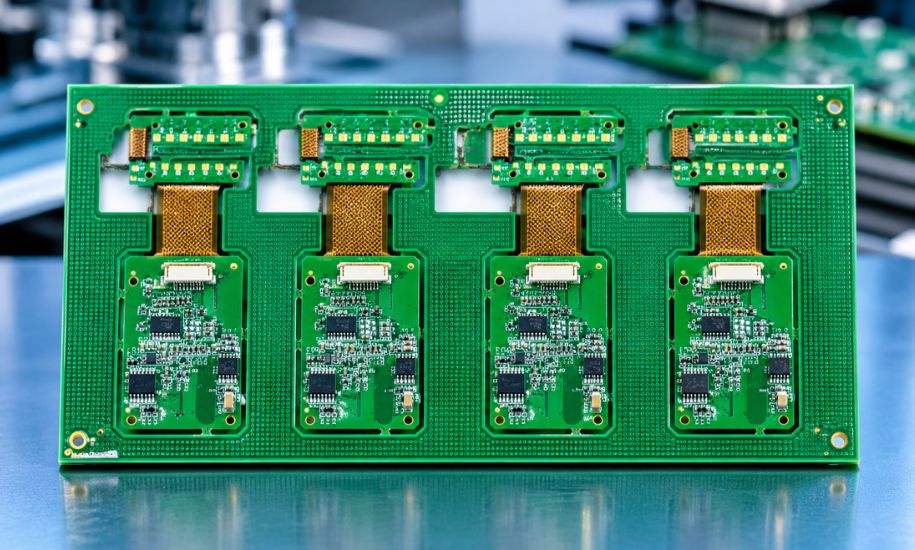
For specialized electronic applications, working with an experienced rigid flex pcb manufacturer can provide important design advantages. Rigid-flex PCBs combine rigid circuit board sections with flexible circuits, allowing different parts of an electronic system to connect within a single integrated structure.
This technology is particularly useful for products with limited installation space or unusual mechanical requirements. It can reduce the need for additional connectors and cables while supporting more compact product designs.
Industries such as aerospace, medical technology, automotive electronics, and telecommunications increasingly use rigid-flex solutions for applications where space efficiency and dependable connections are important.
How Rigid-Flex Technology Is Transforming Electronics
Rigid-flex circuit boards have changed how engineers approach electronic product development. Traditional circuit boards generally require separate cables or connectors when different sections of a device need to communicate.
Rigid-flex designs provide an alternative by integrating flexible and rigid sections into one circuit structure. The flexible portions can bend or fold, allowing the board to fit into products with complex shapes and limited space.
Some important advantages include:
- Space Efficiency: Flexible sections allow circuit boards to fit into compact electronic enclosures.
- Reduced Connections: Integrated designs can decrease the need for separate cables and connectors.
- Design Flexibility: Engineers can create circuit arrangements that accommodate different mechanical requirements.
- Improved Integration: Multiple electronic sections can be connected within a unified board structure.
These benefits make rigid-flex technology valuable for modern products that require compact dimensions and sophisticated internal layouts.
The Role of Automation in PCB Assembly
PCB manufacturing has also evolved through the introduction of automated assembly equipment. Earlier production methods often required more manual work, which could increase assembly time and create inconsistencies.
Modern Surface Mount Technology (SMT) allows electronic components to be placed directly onto circuit board surfaces using automated machinery. Pick-and-place systems position components with high accuracy, while reflow soldering creates the necessary electrical connections.
Automation helps manufacturers maintain consistency, improve production efficiency, and handle increasingly complex circuit designs.
FastTurn PCBA supports modern assembly requirements through manufacturing solutions that address different board configurations and electronic applications. Efficient assembly processes are especially important for businesses developing products that require reliable performance and predictable production schedules.
Quality Control and Manufacturing Reliability
As PCB designs become more advanced, maintaining quality throughout production becomes increasingly important. Small manufacturing defects can affect electrical performance, product durability, and overall system reliability.
Quality control involves several stages, including material inspection, fabrication verification, component placement checks, soldering inspection, and electrical testing.
Automated Optical Inspection (AOI) can identify visible assembly problems, while X-ray inspection helps examine hidden solder connections. Electrical testing can also verify circuit continuity and detect potential short circuits.
For specialized designs such as rigid-flex boards, manufacturers must pay particular attention to material compatibility, bending requirements, layer alignment, and mechanical reliability.
Following suitable inspection procedures helps reduce manufacturing problems and supports consistent product quality.
Supporting Innovation Across Industries
The evolution of PCB manufacturing has created new opportunities for businesses across different industries. Consumer electronics companies can develop smaller devices, automotive manufacturers can integrate advanced control systems, and medical equipment developers can create compact electronic monitoring solutions.
Industrial automation also benefits from improvements in PCB technology. Modern circuit boards support sensors, communication systems, controllers, and other equipment used in complex production environments.
FastTurn PCBA contributes to this changing industry by supporting electronic manufacturing requirements through PCB fabrication and assembly capabilities. Businesses can use suitable manufacturing approaches to develop products that align with their technical and commercial objectives.
Looking Ahead: The Future of PCB Manufacturing
PCB manufacturing will continue evolving as electronic products become more connected, intelligent, and compact. Advanced materials, high-density circuit structures, flexible designs, and automated assembly technologies will remain important areas of development.
Manufacturers will also need to focus on production efficiency, reliable quality control, and designs that support long-term product performance.
FastTurn PCBA reflects the importance of adapting to modern electronic manufacturing demands. By combining appropriate fabrication techniques with assembly solutions, it helps support the development of electronic products for a wide range of applications.
As technology continues to advance, businesses that work with suitable manufacturing partners and adopt innovative PCB technologies will be better prepared to develop reliable, efficient, and next-generation electronic products.
You may also visit: Technology.