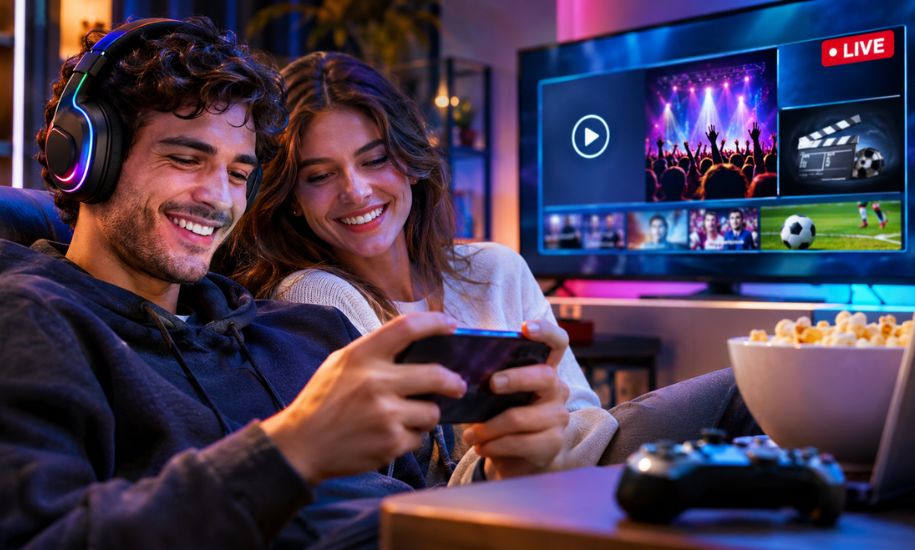
The way people spend their free time has changed more in the past decade than in the previous fifty. Streaming has replaced much of broadcast television, gaming has become a mainstream pastime for all ages and the phone has turned into the main screen for almost everything. As 2026 draws to a close, several trends are shaping where online entertainment goes next.
The shift is visible across every part of the sector, from video games and music to live events and the regulated online casino industry. Here are the developments worth watching and why they matter.
Mobile Comes First
Designing for the phone used to mean shrinking a desktop experience. Increasingly, it means building for the phone first. Vertical layouts, one-handed controls, short sessions and fast loading are now baseline expectations, and studios across gaming, streaming and social media design with them in mind.
The change reflects how people use their devices. A few minutes on the train, a break at work or an evening on the sofa all call for products that are quick to start and easy to put down.
Live and Social Formats
Live content has become a major growth area. Live streams of gaming, sport and music let audiences watch together and react in real time, and platforms are adding chat, reactions and shared viewing to make that feel social.
Entertainment formats borrowed from television are following the same path. Game-show-style products, hosted by presenters and streamed from studios, have spread across sectors, from quizzes to live casino tables, because they combine the pace of a game with the atmosphere of a broadcast.
Personalisation and AI
Recommendation engines are now central to how people find things to watch, listen to or play. AI tools are increasingly used to tailor suggestions, to power customer support and to spot fraud or unusual activity on accounts.
The technology brings trade-offs. Personalisation can make services easier to use, but it raises questions about data, transparency and how much influence algorithms should have over choices. Regulators in several sectors are paying closer attention, and businesses are under pressure to explain how their systems work.
Faster, Simpler Payments
Payments are quietly becoming part of the entertainment experience. Digital wallets, bank-based payments and one-tap checkout have made spending quicker, and customers have come to expect equally fast refunds and withdrawals.
Faster money movement also raises the stakes on security. Strong authentication, clear confirmation steps and fraud monitoring have become standard features of well-run platforms, and customers increasingly judge providers on how safe and smooth the process feels.
Regulation Is Catching Up
Online entertainment is more regulated than it used to be, and the direction of travel is towards stricter rules. In the UK, for example, gambling operators have to follow detailed rules on age checks, advertising and game design. From 19 January 2026, the Gambling Commission capped wagering requirements on bonuses at 10 times and banned promotions that tie casino bonuses to sports bets.
Other sectors are facing similar scrutiny, from rules on children’s data and online safety to loot boxes and subscription practices. For consumers, the effect is more transparency and more protection, and for businesses, compliance has become a core part of product design.
Responsible Design
A related trend is the rise of built-in controls. Spending limits, time reminders and session summaries are becoming common across gaming, streaming and online platforms, as companies respond to concerns about screen time and spending. In gambling, tools such as deposit limits, time-outs and the national GAMSTOP self-exclusion scheme have been part of the licensed UK market for years.
The idea is that giving people control makes the experience better and builds trust, which matters in a crowded market.
Back to Real Life
Alongside the growth of digital products, there’s also a counter-trend. Live events, board game cafés, escape rooms and arcade bars have all been growing, as people look for experiences that feel less screen-based. Many of these venues use technology themselves, but the draw is being in the same room.
The most successful entertainment businesses increasingly combine the two, linking online communities with real-world events and giving people reasons to move between them.
What It Means for Consumers
For people choosing how to spend their time and money, the picture is mixed but largely positive:
- More choice. There are more ways than ever to be entertained, at almost every price point.
- More convenience. Mobile-first design makes everything quicker and easier.
- More protection. Regulation and built-in tools are improving transparency.
- More to manage. Subscriptions, in-app purchases and spending can add up quickly, so a regular review of what you actually use is worthwhile.
Looking Ahead
The common thread is that entertainment is becoming faster, more personal and more social, while rules and expectations around trust and safety are rising. Businesses that get that balance right are likely to do best in 2027, and consumers will have even more to choose from.
You may also visit: Technology.