The Art of a Clean Weld: How the Chemical Composition of an Electrode Coating Alters Metal Structure

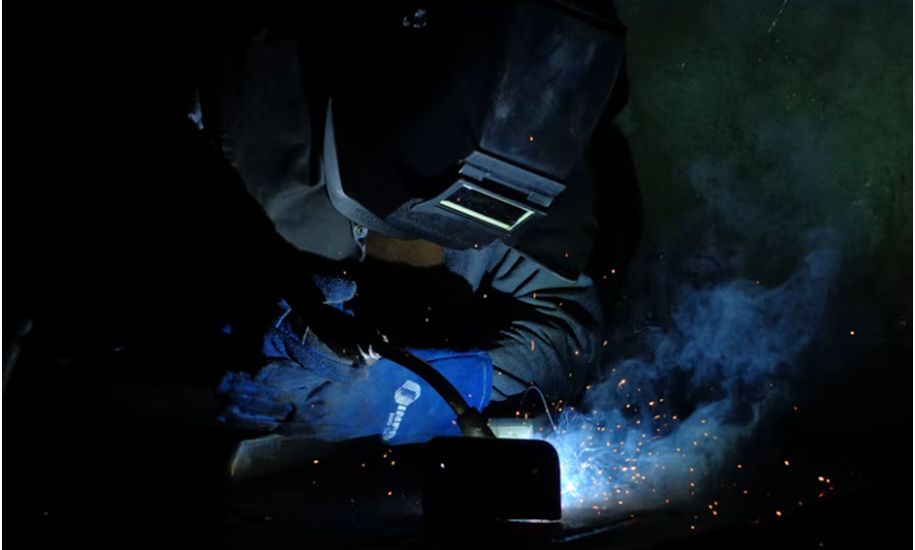
The quality of a welded joint depends directly on the chemical reactions taking place in the ARC at very high temperatures. The right electrodes can turn an ordinary seam into one that stays strong under heavy loads.
A reliable MMA welder from PATON keeps the current steady and the ARC easy to strike, letting the coating do its job properly. Still, the coating is the key factor: choose the right type and diameter, and the work becomes much easier.
The Influence of Coating Composition on Weld Properties
Each coating plays a metallurgical role in forming the weld pool. It shields the molten metal from atmospheric oxygen and nitrogen, which would otherwise cause pores and brittleness. It also produces slag and gases that stabilise the ARC and shape the bead. Alloying elements in the coating can further raise the strength of the weld metal.
Different coatings deliver these effects in different proportions. Knowing which qualities matter most for the task helps narrow the choice quickly. A good coating should offer the following:
- reliable shielding of the weld pool;
- easy, rapid slag removal;
- high ductility of weld metal;
- minimal spatter of molten metal;
- stable ARC during welding;
- neat external bead formation.
Checking these points before work begins prevents most common defects. A neat bead is also easier to inspect, which matters on load-bearing structures. Careful control of these qualities supports the durability of any metal construction.
Rutile, Basic and Cellulosic Electrodes Compared
Every coating changes both the structure of the weld metal and the way the electrode behaves. Rutile rods suit everyday jobs: they strike easily and produce little spatter. Basic rods are the choice for heavy, load-bearing work, because the weld metal is tough and resistant to cracking.
However, they must be kept dry and are usually baked before use. Cellulosic rods provide deep penetration and are widely used for pipelines and in challenging site conditions.
Before starting any important task, carry out a few checks. These checks take only a few minutes but can significantly affect the outcome. Pay attention to the following:
- accurate calculation of required current;
- correct choice of coating type;
- thorough cleaning of weld edges;
- steady electrode travel speed;
- correct electrode angle;
- preheating of high-carbon steels.
Following these simple requirements greatly reduces the risk of internal porosity and microcracks. Most weld failures can be traced back to a skipped preparation step rather than to the equipment. Good habits therefore matter as much as good materials.
A solid understanding of how the coating reacts with the steel enables welders to produce high-quality joints consistently. Matching the coating to the metal grade protects the strength and service life of the entire structure.
PATON inverters are worth a closer look for those who want equipment that can handle all three electrode types and maintain a steady ARC. They combine power with a compact body, and the warranty and after-sales support make long-term use more convenient.
You may also visit: Business.