In many modern workplaces a spotless coffee machine hums on the counter while a battered personal mug with a favourite slogan sits beside it. In that quiet contrast, the changing line between what employers provide and what staff bring from home becomes very clear, showing how office kitchens have turned into shared stages for company culture and individual preference alike.
What Companies Commonly Provide Today
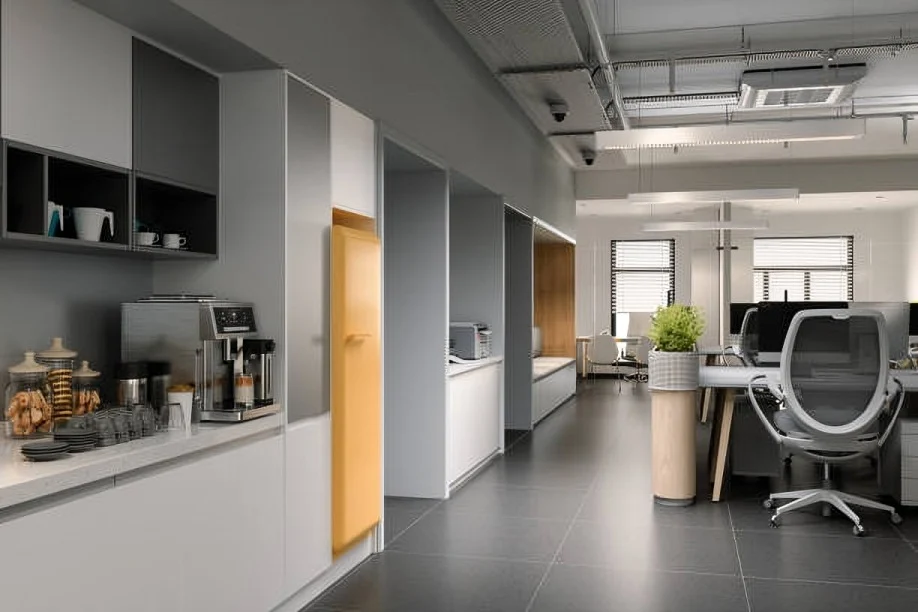
Across the UK, most offices now treat a basic kitchen set up as part of standard welfare. This usually includes at least a fridge, microwave, sink with hot water and a kettle, which aligns with the Health and Safety Executive expectation that staff can store food safely and heat meals on site. In larger buildings, this minimum has quietly expanded into full coffee stations, dishwashers and tall glass fronted fridges stocked with milk alternatives alongside the usual semi skimmed cartons. Even serviced offices increasingly bundle bean to cup machines and filtered water dispensers into their lease packages, itemised in service charges rather than left to individual tenants. It is also now common for employers to arrange weekly fruit deliveries, pre scheduled with suppliers, as a visible perk that appears on Monday mornings without anyone needing to organise a supermarket run. Where hot meals are offered, accountants have to navigate HMRC rules that generally treat free or subsidised lunches as a benefit in kind unless they are offered to all staff on site on a similar basis and are reasonably priced. As a result, some firms opt for rotating street food vendors in the car park, paid directly by employees, leaving the kitchen itself to focus on snacks, drinks and simple heat and eat facilities.
What Employees Still Prefer To Bring
Against this backdrop of shared amenities, many workers still carry in their own items, ranging from carefully labelled plastic tubs of leftovers to specific herbal tea blends, protein shakes and personal coffee beans weighed out at home, especially where the office only offers instant granules and generic tea bags. In desk drawers, a quiet parallel inventory develops, with cereal bars, favourite condiments, personal cutlery sets and sometimes lewa nicotine free pouches stored alongside headphones and chargers, reflecting individual tastes that company wide provisioning would struggle to match. When comparing options for these more specialised products, staff might browse the LEWA lineup as one of several flavour ranges available online, treating such purchases in the same way as their preferred brand of ground coffee or loose leaf tea rather than something that would reasonably appear in a communal cupboard. This blend of shared staples and private extras allows people to fine tune their daily routines without expecting the employer to predict every preference, while still relying on the office kitchen for the essentials that make bringing food from home practical in the first place.
Hybrid Work And The Shifting Boundary
The rise of hybrid work has changed the rhythm of office kitchens, with occupancy varying dramatically by day. Employers often move from daily fresh deliveries to more shelf stable options such as long life milk, sealed snack boxes and individually wrapped portions that cope better with fluctuating footfall, while staff adjust by packing food that can survive a commute and an unpredictable meeting schedule. In many organisations, spending that once went on daily pastries is redirected into occasional bigger treats such as catered town hall meetings or quarterly team breakfasts, leaving everyday provision to focus on reliable basics. In response, employees often expand their own kit, bringing insulated flasks, compact lunch boxes with multiple compartments and even small desk fans or lamps to make hot desking feel more personal. Products such as lewa nicotine free pouches sit in this evolving middle ground, purchased individually but used in shared spaces, much like premium instant coffee or specialist snack brands that colleagues might sample and then decide to buy for themselves. This illustrates how personal and communal choices influence each other without the company formally adding these items to its provisioning list.
Finding A New Balance In Shared Spaces
As office life continues to shift, the contents of the kitchen offer a simple yet telling measure of how employers and employees negotiate everyday comfort, with companies focusing on infrastructure and broadly popular items while individuals curate their own small ecosystem of favoured drinks, snacks and accessories. The result is less a strict divide and more a layered arrangement in which the fridge, cupboards and even desk drawers collectively reflect both corporate policy and personal habit, and anyone walking through at lunchtime can see how that balance quietly shapes the atmosphere of work.