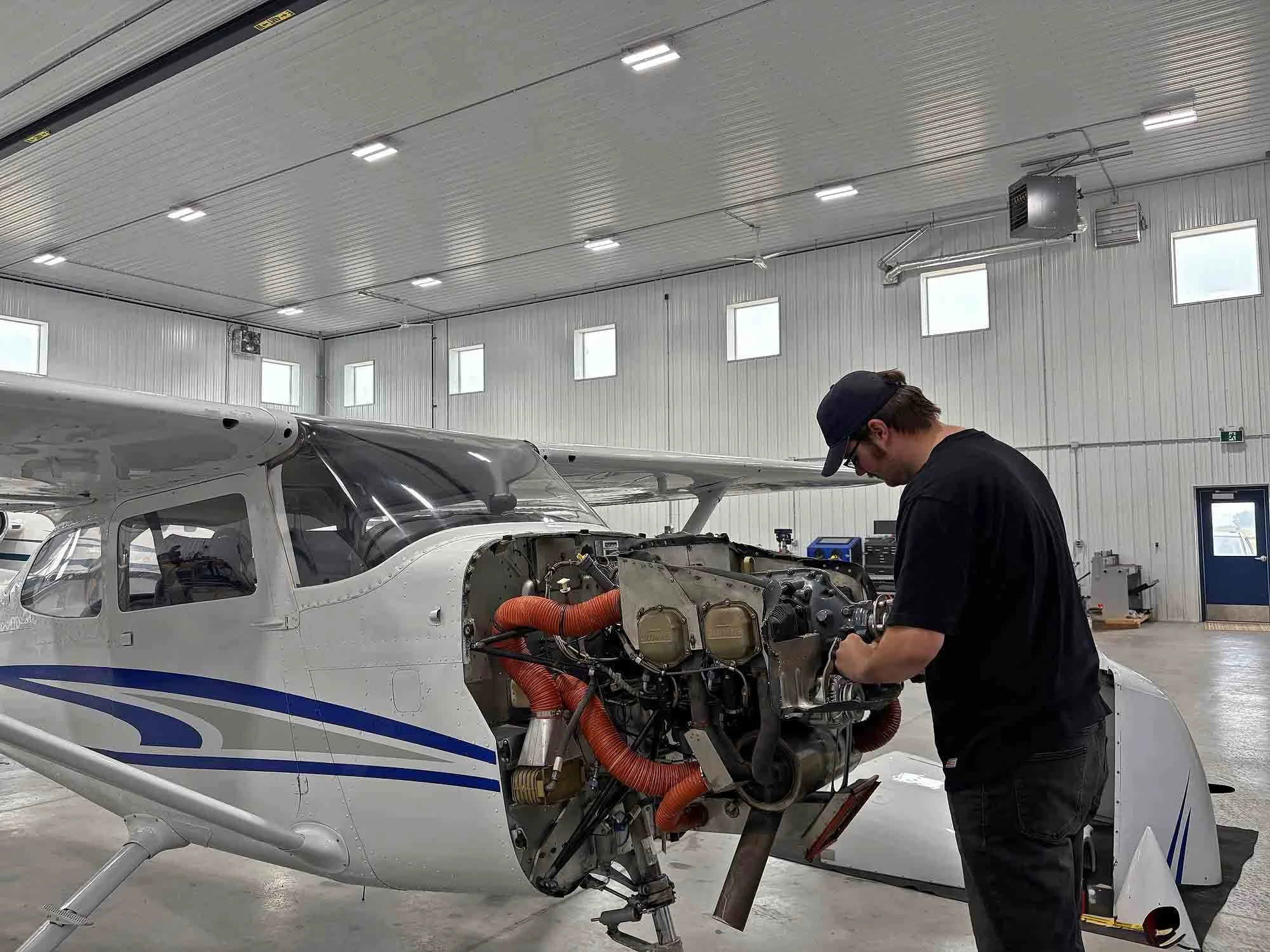
What happens when a small aircraft owner ignores scheduled maintenance? The answer ranges from costly emergency repairs to dangerous in-flight failures that could have been prevented with routine care. Small plane ownership demands commitment to a structured maintenance program, yet many operators overlook or delay critical service intervals. Understanding and following maintenance requirements is not just a regulatory obligation; it is the foundation of safe, reliable flying and a key factor in protecting your investment.
Understanding the Regulatory Framework
The Federal Aviation Administration establishes strict maintenance standards that all small aircraft owners and operators must follow. These regulations exist because proper upkeep directly affects airworthiness and safety. Small planes fall under different maintenance categories depending on whether they operate under Part 91 (general aviation) or other commercial regulations. Owners must familiarize themselves with the specific rules that apply to their aircraft type, since requirements vary based on aircraft class, engine type, and intended use. Ignoring regulatory maintenance requirements can result in fines, loss of airworthiness certificate, and liability issues. Understanding these rules at the outset prevents confusion and ensures compliance from the beginning of ownership.
Establishing an Annual Inspection Schedule
Every small aircraft must undergo an annual inspection, commonly called an “annual,” which is a comprehensive evaluation performed by a certified inspection authority. This inspection covers the entire airframe, engine, avionics, and systems to confirm the aircraft meets airworthiness standards. During an annual, mechanics examine items such as fuel system integrity, brake condition, tire wear, corrosion, wiring, and control cable tension. The inspection process typically takes several days and may uncover issues that require repair before the aircraft can fly legally. Owners should budget both time and money for this essential service, as skipping or delaying an annual immediately grounds the aircraft. Scheduling the annual well in advance allows the maintenance shop to allocate resources and prevents operational disruptions.
Following Engine Overhaul Intervals
Small aircraft engines have manufacturer-specified time between overhaul (TBO) limits that indicate when an engine rebuild becomes necessary. These intervals are measured in flight hours and vary based on engine model and maintenance history. For example, some reciprocating engines may have a TBO of 1,800 hours, while others reach 2,000 or more hours before overhaul is required. Exceeding TBO significantly increases the risk of engine failure during flight, and insurance policies may not cover incidents involving engines past their recommended limits. Owners should track total engine hours carefully and plan for the substantial expense of overhaul or replacement well in advance. Proactive communication with experienced maintenance technicians helps owners understand their specific engine’s requirements and plan accordingly.
Maintaining Detailed Service Records
Keeping meticulous records of all maintenance performed on a small aircraft is essential for legal compliance, safety accountability, and resale value. The airframe and engine logbooks document every service, inspection, repair, and modification throughout the aircraft’s life. Prospective buyers, mechanics, and insurance companies rely on these records to understand the aircraft’s condition and maintenance history. Gaps or missing entries raise red flags and may suggest neglected maintenance or undisclosed issues. Owners should ensure that every service entry includes the date, maintenance performed, technician credentials, and any parts replaced. Organized, complete records demonstrate professional ownership and provide peace of mind that all required work has been completed properly.
Addressing Time-Based and Condition-Based Maintenance
Beyond the annual inspection and engine overhaul, small planes require maintenance based on specific time intervals or condition assessments. Oil changes, air filter replacements, spark plug inspections, and fluid checks occur at regular intervals outlined in the aircraft maintenance manual. Some items require replacement based on calendar time rather than flight hours; for instance, certain rubber seals and hoses deteriorate with age regardless of use. Avionics and specialized equipment may have their own maintenance schedules that differ from airframe requirements.
Ground handling equipment deserves the same level of attention as any other aircraft system. Owners who need to reposition or tow their aircraft during maintenance periods rely on a new airplane towbar to move the plane safely without straining the nose gear or disrupting ongoing service work. Consulting the aircraft’s maintenance manual and manufacturer guidance helps identify all time-based and condition-based tasks. Staying organized with a maintenance checklist ensures nothing gets overlooked and that the aircraft remains in peak operating condition.
Conclusion
Following maintenance requirements for your small plane is a responsibility that safeguards both your safety and your aircraft’s longevity. The regulatory framework establishes clear standards, while annual inspections, engine overhaul intervals, detailed record-keeping, and condition-based maintenance form the backbone of a sound maintenance program. Owners who treat maintenance as a priority rather than an afterthought enjoy more reliable operations, lower overall costs, and better resale prospects. By understanding what is required, planning ahead for major services, and working with qualified technicians, small aircraft owners can confidently manage their planes and stay airworthy for years to come. The time and money invested in proper maintenance today prevents far greater expenses and safety risks tomorrow.