Smart Equipment Sourcing: Why Used Reactors Are Reshaping Industrial Operations

Industrial facilities across the globe are under constant pressure to reduce capital expenditure while maintaining operational efficiency. Whether you’re running a chemical processing plant, a pharmaceutical manufacturing unit, or a specialty materials facility, the cost of new process equipment can be staggering. This reality has pushed procurement teams and plant engineers to rethink their sourcing strategies — and used process equipment, particularly reactors, has emerged as one of the most compelling solutions in the market today.
The Growing Demand for Pre-Owned Process Equipment
The secondary market for industrial process equipment has matured significantly over the past two decades. What was once considered a last resort for budget-constrained operations is now a deliberate, strategic choice made by some of the most sophisticated engineering teams in the world. The reasons are straightforward: quality pre-owned equipment, when properly inspected and certified, can deliver the same performance as new units at a fraction of the cost — often 40 to 70 percent less than original purchase price.
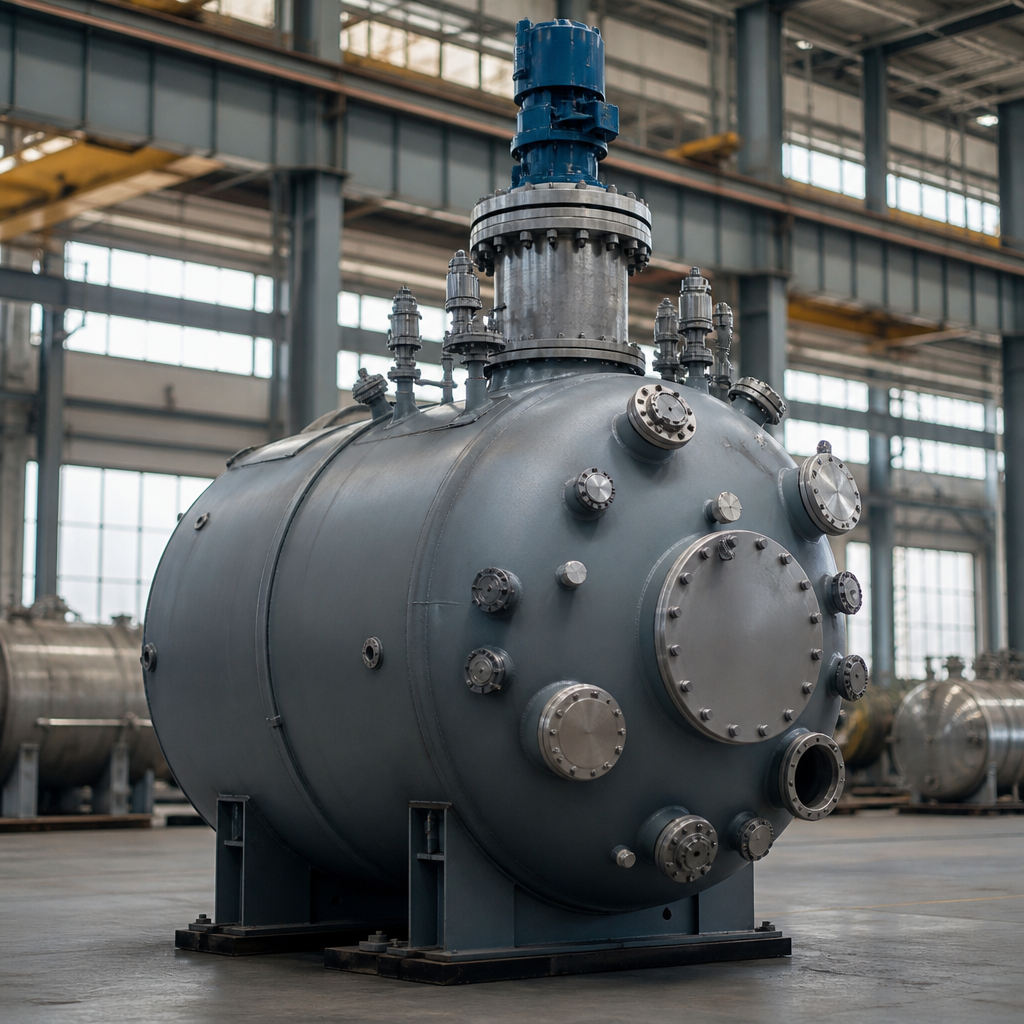
Reactors, in particular, represent one of the highest-value categories in the used equipment market. These vessels are central to chemical synthesis, polymerization, fermentation, and countless other industrial processes. Because they are built to exacting standards and engineered for long service lives, a well-maintained used reactor can serve a new facility reliably for decades. The key lies in knowing where to source them and how to evaluate their condition before purchase.
What Types of Reactors Are Available on the Secondary Market?
The secondary market offers a wide variety of reactor types to suit different industrial applications. Glass-lined reactors are commonly sought after in pharmaceutical and fine chemical production due to their corrosion resistance and ease of cleaning. Stainless steel reactors are favored in food processing, biotechnology, and general chemical manufacturing. High-pressure reactors, jacketed reactors, and continuous stirred-tank reactors (CSTRs) are also frequently available, often sourced from plant closures, capacity reductions, or equipment upgrades at major industrial facilities.
Understanding the specific requirements of your process — including operating pressure, temperature range, material compatibility, and volume — is essential before entering the used equipment market. A reactor that served a petrochemical plant may not be suitable for a pharmaceutical application without significant modification, so due diligence is non-negotiable.
Evaluating Quality and Safety in Used Reactor Purchases
One of the most common concerns among buyers entering the used equipment market is quality assurance. How do you know a reactor has been properly maintained? What documentation should you expect? These are legitimate questions, and reputable dealers address them through comprehensive inspection reports, material certifications, pressure test records, and full service histories where available.
Buyers should always request documentation of the reactor’s previous operating conditions, including the chemicals it processed, the pressures and temperatures it was subjected to, and any repairs or modifications made during its service life. Physical inspections — ideally conducted by an independent engineer — are strongly recommended before finalizing any purchase. Checking for corrosion, weld integrity, nozzle condition, and agitator functionality can prevent costly surprises after delivery.
The Role of Trusted Dealers in the Used Equipment Ecosystem
Not all used equipment dealers operate with the same level of transparency or expertise. The most reliable suppliers maintain large, well-organized inventories, provide detailed equipment specifications, and offer support throughout the purchasing and logistics process. When sourcing reactors for critical applications, working with an established dealer who specializes in process equipment is far preferable to navigating auction platforms or private sales without professional guidance.
For facilities looking to acquire used reactors for sale, International Process Plants offers one of the most extensive inventories of pre-owned process equipment available anywhere in the world. With decades of experience in the industry, they provide detailed equipment listings, inspection support, and global logistics assistance — making the acquisition process significantly more manageable for engineering and procurement teams alike.
Integrating Used Equipment Into Modern Plant Operations
Purchasing a used reactor is only the beginning. Successful integration into an existing or new facility requires careful planning around installation, utility connections, instrumentation, and control systems. Many modern plants are incorporating smart monitoring technologies to extend the life of their equipment and detect issues before they become failures. Sensors that monitor temperature, pressure, flow rates, and fluid levels are now standard in well-managed facilities.
This same philosophy of intelligent monitoring extends beyond reactors to other critical plant systems. For example, automatic bilge pumps with smart water detection demonstrate how sensor-driven automation is transforming fluid management across industries — a principle equally applicable to industrial process environments where undetected leaks or fluid accumulation can cause significant damage and downtime.
Supporting Systems: Boilers, Utilities, and Process Infrastructure
Reactors rarely operate in isolation. They depend on a network of supporting utilities — steam, cooling water, compressed air, and electrical power — to function correctly. Steam systems, in particular, are integral to many reactor operations, providing the heat necessary for chemical reactions, sterilization, and temperature control. Understanding how steam boilers work and how they integrate with reactor systems is essential knowledge for any plant engineer. For a thorough overview of steam boiler fundamentals and their role in industrial operations, this detailed guide on steam boilers from Plant Services provides an excellent technical foundation.
When sourcing used reactors, it’s worth evaluating whether the supporting utility infrastructure at your facility is capable of meeting the reactor’s operational requirements. Mismatches between reactor specifications and available utilities are a common source of costly delays during commissioning. Engaging a process engineer early in the planning phase can help identify and resolve these issues before they become expensive problems.
About International Process Plants
International Process Plants has built a strong reputation as a global leader in the buying and selling of used process equipment. Their extensive inventory spans reactors, distillation columns, heat exchangers, pressure vessels, centrifuges, and complete plant systems across a wide range of industries including chemicals, pharmaceuticals, food processing, and energy. The company’s team of experienced engineers and equipment specialists provides buyers with the technical knowledge and logistical support needed to make confident purchasing decisions. With a commitment to transparency and customer service, International Process Plants has become a trusted partner for facilities around the world seeking cost-effective, high-quality process equipment solutions.
Conclusion: A Strategic Approach to Reactor Procurement
The decision to source used reactors rather than purchasing new equipment is increasingly recognized as a sound strategic choice rather than a compromise. With the right supplier, thorough due diligence, and proper integration planning, pre-owned reactors can deliver exceptional value and long-term reliability. As industrial operations continue to face economic pressures and sustainability demands, the secondary equipment market will only grow in importance. Facilities that develop expertise in evaluating and sourcing used process equipment will hold a meaningful competitive advantage — both in terms of capital efficiency and operational agility.