Building a reliable sales pipeline when you’re running a startup or small business can feel a bit like trying to win a championship match with half the team. You’re competing against larger players who have dedicated sales floors, expensive CRM subscriptions, and teams of business development reps working the phones all day. But here’s the thing – a massive budget has never been the only path to a full pipeline. Strategy, consistency, and smart use of the right tools can absolutely level the playing field.
Start With Who You’re Actually Trying to Reach
Before you worry about tools or outreach tactics, get painfully specific about your ideal customer profile. This is the single biggest mistake small businesses make – they cast a wide net hoping something will stick. Define the industry, company size, job title, geography, and even the pain points your target buyer is likely dealing with. The tighter your focus, the better your conversion rate. A startup selling HR software shouldn’t be cold-emailing everyone in a database of 50,000 random contacts. They should be talking to HR managers at companies with between 50 and 200 employees who are in a specific growth phase.
This clarity also makes your messaging dramatically stronger. When a prospect reads your outreach and thinks “this is written exactly for someone like me,” your reply rates shoot up. Generic messages get ignored. Personal, relevant ones get responses.
Use the Tools Available Without Overcomplicating Things
One of the most exciting developments for bootstrapped sales teams is the rise of affordable prospecting tools that were once only available to enterprise companies. B2B contact databases used to cost thousands of dollars per month. Today, there are smarter ways to get access to verified contact data without breaking the bank.
For example, if you’re building outbound lists from Apollo.io, a tool like the Apollo contact data exporter from ScraperCity lets you pull verified emails, phone numbers, and company data at a fraction of traditional costs – roughly $0.0039 per contact. For a startup spending carefully, the difference between $400 and $4,000 for the same data is enormous. Sales teams use it to build targeted outbound lists without being locked into expensive Apollo subscription tiers, which means you can run lean and still compete on outreach volume.
Beyond contact sourcing, free or low-cost CRM options like HubSpot’s free tier or Notion-based pipeline trackers work well for early-stage businesses. The goal isn’t to have the most sophisticated tech stack – it’s to have a process you can actually follow consistently.
Build Your Pipeline in Stages, Not All at Once
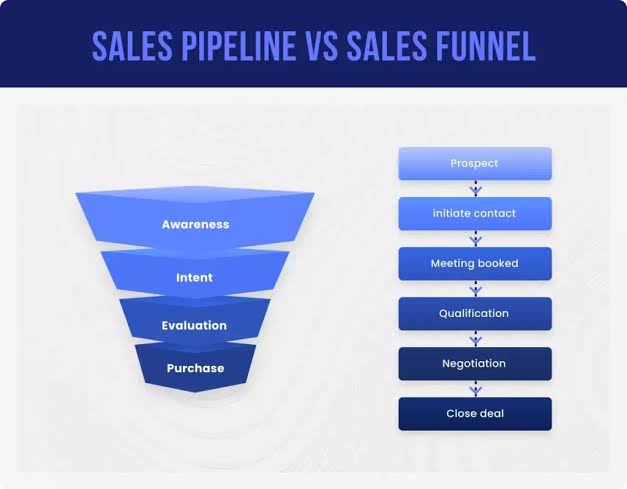
Think of your pipeline in three practical layers: awareness, consideration, and decision. Too many small business owners focus only on the bottom of the funnel – chasing people who are ready to buy right now. That pool is tiny. The real opportunity is in building relationships earlier in the process.
Awareness: This is where content, social media, cold outreach, and referrals live. Your job here is simply to get on the radar of the right people.
Consideration: Prospects who know you exist need reasons to care. Case studies, free consultations, demo calls, and comparison content all do heavy lifting here.
Decision: This is where pricing conversations, proposals, and follow-up sequences close deals. If your earlier stages are strong, this part becomes far less painful.
Most pipelines stall because one of these stages is neglected. Audit yours honestly and figure out where leads are dropping off. Fix that stage before adding more leads to the top.
Consistency Beats Everything
The dirty secret of sales pipeline building is that it’s not glamorous. It’s daily prospecting, consistent follow-up, and showing up even when the response rate feels discouraging. Most deals close after five or more touchpoints, but the majority of salespeople give up after one or two. The businesses that win aren’t necessarily the ones with the biggest budget – they’re the ones that show up repeatedly with relevant, helpful communication.
Build a weekly rhythm: a set number of new prospects added, a set number of follow-ups sent, and a set number of calls or demos booked. Track these numbers honestly. The pipeline is just math – if you put enough qualified people in the top, deals come out the bottom.
Don’t Forget That Your Energy Drives Performance
This one gets overlooked entirely in most sales strategy conversations, but it matters more than most founders admit. Sales is an energy-intensive activity. Rejection is constant, focus is required, and resilience has to be maintained day after day. Many sales slumps aren’t strategy problems – they’re performance and wellbeing problems.
If you’re the founder doing your own outreach or managing a small sales team, habits around sleep, stress, and daily routine directly affect how sharp your communication is and how consistently you execute. Something like a personalized daily wellness coaching program can make a real difference in sustained output – optimizing the small daily habits that keep you operating at your best. It sounds soft, but peak performers across every field treat this seriously.
The Bottom Line
You don’t need a huge budget to build a targeted sales pipeline. You need clarity on your ideal customer, affordable tools that get you the right contact data, a process that moves leads through each stage intentionally, and the daily discipline to keep it moving. Start small, measure everything, and improve one piece at a time. The startups that win at sales aren’t the ones who spent the most – they’re the ones who stayed consistent the longest.