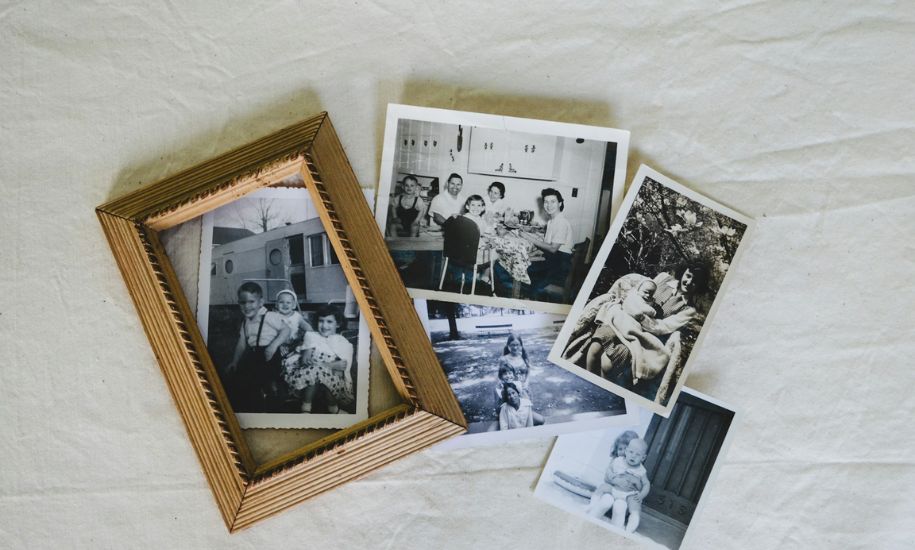
For many families, Polish citizenship by descent is not only a legal procedure, but also a way of reconnecting with a history that may have been interrupted by war, migration, political upheaval, or economic necessity. A grandparent’s old passport, a birth certificate from a village that no longer appears on modern maps, or a family story about leaving Poland in the 1930s can become the starting point for a formal citizenship confirmation process. The path is often rewarding, but it requires patience, careful documentation, and a clear understanding of Polish nationality law. Approached methodically, it can help descendants of Polish citizens clarify their legal status and preserve a meaningful connection to their heritage.
What Polish Citizenship by Descent Means in Practice
Polish citizenship by descent is based on the principle of ius sanguinis, meaning “right of blood.” In simple terms, citizenship may pass from parent to child through the family line, regardless of where the child was born. This is different from systems that grant citizenship primarily because someone was born on the territory of a country.
However, Polish citizenship is not automatically confirmed simply because a person has Polish roots. The key question is whether citizenship was legally transmitted from one generation to the next and whether it was ever lost along the way. This distinction is important. Having a Polish surname, speaking Polish at home, or knowing that an ancestor was born in Poland can support the family story, but it does not replace formal legal proof.
The central task is to demonstrate an unbroken chain of citizenship from the Polish ancestor to the applicant. In many cases, this means showing that the ancestor was a Polish citizen under the law in force at the time, and that each subsequent generation inherited citizenship before any possible loss occurred.
Who May Be Eligible?
Eligibility often depends on individual family circumstances. A person may have a potential claim if a parent, grandparent, or sometimes great-grandparent was a Polish citizen and did not lose citizenship before the next generation was born. Many applicants are living in the United States, Canada, the United Kingdom, Australia, Israel, Argentina, Brazil, South Africa, or elsewhere, as Polish migration reached many parts of the world during the twentieth century.
Common family scenarios include:
- A grandfather born in Poland before World War II who emigrated to North America after the war.
- A grandmother who left Poland as a child with her parents and later married abroad.
- A Polish citizen who survived wartime displacement and settled permanently in another country.
- A family whose documents were scattered across several countries due to border changes, refugee movement, or post-war resettlement.
- Descendants of people born in territories that were once part of the Polish state but are now located in Ukraine, Belarus, Lithuania, or other neighboring countries.
Each of these examples may involve different documents and legal questions. For instance, a person born in Lwów before World War II may have been born in Poland at the time, even though the city is now Lviv in Ukraine. In such cases, historical context matters as much as personal identity.
The Legal Foundation: Why Dates Matter
Polish citizenship law has changed several times, and those changes can significantly affect a claim. Dates of birth, marriage, naturalization, military service, and emigration are not minor details; they may determine whether citizenship continued or was lost.
Particularly important periods include:
- Before 1920 – modern Polish citizenship law was still developing after Poland regained independence in 1918.
- 1920 to 1951 – the Citizenship Act of 1920 applied, and issues such as foreign naturalization, military service, and marital status could affect citizenship.
- 1951 to 1962 – new rules changed how citizenship could be lost or retained.
- After 1962 – later legislation further shaped citizenship transmission and loss.
For example, if a Polish-born ancestor became a citizen of another country before the birth of their child, this could be relevant. In some historical periods, acquiring foreign citizenship might have led to the loss of Polish citizenship, but the outcome depends on the exact law in force and the facts of the case. Similarly, women’s citizenship status after marriage could be treated differently in earlier legal frameworks than it is today.
This is why assumptions can be misleading. A family may believe citizenship was lost because an ancestor naturalized abroad, but the date of naturalization may show otherwise. Conversely, a family may believe citizenship passed automatically, only to discover that a legal event interrupted the chain.
How to Start Proving Your Polish Ancestry
The first stage is usually genealogical and documentary rather than legal. Before submitting anything to Polish authorities, it is useful to build a clear family timeline. This timeline should identify each person in the citizenship chain, from the Polish ancestor to the applicant.
Step 1: Create a Family Timeline
Write down the essential events for each generation:
- Full names, including maiden names and spelling variations.
- Dates and places of birth.
- Marriage dates and locations.
- Emigration dates, if known.
- Naturalization or citizenship acquisition in another country.
- Military service, especially outside Poland.
- Dates and places of death.
This timeline often reveals gaps. For example, a family may know that a great-grandfather arrived in New York in 1927, but not whether he naturalized before or after his son was born. That missing date could be crucial. In another case, a grandmother may have been born in Poland but married a foreign citizen before 1951, raising additional legal questions that need to be assessed.
Step 2: Gather Civil Status Records
Core documents usually include birth, marriage, and death certificates. These records establish family relationships and identity continuity. For each generation, authorities may need to see proof that the parent-child link is documented clearly.
Useful documents may include:
- Polish birth certificates or extracts from civil registry offices.
- Church baptismal records, especially where civil records are missing.
- Marriage certificates, including records of religious ceremonies if civil documents were not available.
- Death certificates.
- Name change documents or court records.
- Adoption records, where applicable.
Spelling variations are common. A surname may have been altered after emigration, simplified for local authorities, or written differently in Latin, Cyrillic, German, or Yiddish records. These inconsistencies do not necessarily defeat a claim, but they must be explained and supported by evidence.
Step 3: Locate Proof of Polish Citizenship
Proving that an ancestor was born in Poland is helpful, but proof of citizenship is stronger. Depending on the case, relevant evidence may include:
- Polish passports.
- Military records.
- Residence registration documents.
- Pre-war identity cards.
- Archival population registers.
- Documents from Polish consulates.
- Records from local municipal offices or state archives.
Some families still have original documents stored in envelopes, old suitcases, or family albums. Others must request records from archives in Poland or abroad. It is worth treating even small fragments seriously. A handwritten address, an old school certificate, or a ship passenger record may point researchers toward the correct village, district, or archive.
Organizational Challenges Families Commonly Face
The process can become complicated because evidence is rarely kept in one place. A birth certificate may be in Poland, a naturalization file in the United States, a marriage certificate in the United Kingdom, and a military record in a regional archive. Families affected by war, deportation, or border changes may need to search across several jurisdictions.
It is helpful to organize documents in a structured way:
- Create a digital folder for each generation.
- Keep scans of originals in high resolution.
- Record where each document came from and when it was obtained.
- Prepare a summary sheet listing all names, dates, and document references.
- Separate confirmed facts from family stories that still need verification.
When a case involves many missing pieces, some applicants choose to consult professionals familiar with Polish records and citizenship law; in that context, resources such as Five to Europe may be considered while preparing a Polish citizenship by descent application because the evidence often needs to be assessed both genealogically and legally before it is submitted. A careful review at this stage can prevent avoidable delays, especially where documents contain inconsistent spellings, unclear dates, or information from multiple countries.
Emotional Aspects of Reconstructing Family History
Citizenship confirmation is a legal process, but it can also be deeply emotional. Many applicants discover facts their relatives rarely discussed: wartime displacement, forced migration, orphanhood, loss of property, separation from siblings, or efforts to conceal identity for safety. Some families learn that names were changed not for convenience, but because of discrimination, trauma, or the need to start again in a new country.
This can be meaningful, but also difficult. A person may begin with the practical goal of obtaining confirmation of citizenship and end up confronting painful parts of family history. Older relatives may remember fragments, but not want to speak in detail. Others may provide information that later proves inaccurate, not because they intended to mislead, but because memories were shaped by childhood, fear, or stories passed down over decades.
Patience and sensitivity are essential. When interviewing relatives, it is often better to ask open questions: “Do you remember where your father was born?” or “Were there any documents kept after the family arrived?” rather than pressing for immediate certainty. Recording conversations, with permission, can preserve valuable details that may later help identify records.
Health, Age, and Family Timing Considerations
Health and age can also affect the process. If an older parent or grandparent is part of the direct citizenship line, their documents and testimony may be important. In some cases, they may still possess original records or personal knowledge that younger generations do not have. If their health is fragile, families may wish to prioritize collecting information respectfully and promptly.
There may also be practical reasons to clarify citizenship status sooner rather than later. Some applicants are planning to study, work, relocate, retire, or support children who may benefit from European Union citizenship rights if Polish citizenship is confirmed. Others want to complete the process so that future generations have a clearer documentary foundation. While the procedure should not be rushed carelessly, unnecessary delay can make records harder to obtain and family memories harder to verify.
Financial Considerations and Hidden Costs
The financial side of the process varies widely. Some families already have strong documentation and need only obtain certified copies, translations, and official filings. Others must conduct complex archival searches across several countries.
Potential costs may include:
- Archive search fees.
- Certified copies of civil records.
- Sworn translations into Polish.
- Apostilles or legalization of foreign documents.
- Professional genealogical research.
- Legal analysis of citizenship continuity.
- Administrative fees connected with the application.
- Courier or international document delivery costs.
Budgeting realistically is important. A low-cost approach may be possible where records are easy to locate, but complex cases can require more time and resources. Applicants should also keep in mind that rejected or incomplete submissions may create additional costs later. It is usually more efficient to identify weaknesses before filing than to correct them after an authority requests clarification.
Document Preparation: Translation, Certification, and Consistency
Polish authorities generally require documents to be presented in an acceptable formal manner. Foreign documents may need certified copies, apostilles, legalization, or sworn translations into Polish, depending on where they were issued and how they will be used.
Common preparation issues include:
- Name discrepancies, such as “Kowalski” becoming “Kowal” or “Kovalsky.”
- Date inconsistencies, especially where records were created long after the event.
- Place-name changes due to shifting borders or language differences.
- Missing maiden names on marriage or birth records.
- Incomplete naturalization files that do not clearly show the date citizenship was acquired.
For example, an ancestor may appear as “Jan Nowak” in a Polish birth record, “John Novak” on a ship manifest, and “John Nowack” in a naturalization document. These differences are common in migration records, but the application should make the identity connection clear. Supporting documents can help demonstrate that all versions refer to the same person.
What Happens After the Evidence Is Collected?
Once the documents are gathered and assessed, the applicant may proceed with a formal request to confirm Polish citizenship. This is not the same as applying to become Polish through naturalization. Rather, the applicant is asking the Polish authorities to confirm that they are already a Polish citizen by operation of law, based on descent.
The authority will examine the documentary chain and determine whether citizenship passed through each generation. If successful, the applicant receives an official confirmation of Polish citizenship. After that, additional steps may be required before applying for a Polish passport, such as registering foreign birth or marriage certificates in the Polish civil registry system.
Processing times can vary. Cases with complete documentation and straightforward facts may progress more smoothly, while cases involving missing records, wartime displacement, or complex legal events can take longer. Applicants should be prepared for follow-up questions and should keep copies of everything submitted.
Practical Tips Before Beginning the Process
- Start with the oldest living relatives. Their memories may help identify villages, surnames, or hidden documents.
- Do not discard imperfect records. Even a document with a misspelled name may be valuable when combined with other evidence.
- Check naturalization dates carefully. The timing may affect whether citizenship was transmitted.
- Keep records organized from the beginning. A chaotic file can slow down both research and legal review.
- Be cautious with family assumptions. A story may be true in spirit but legally incomplete.
- Consider historical geography. The place where an ancestor was born may have changed country, language, or administrative district.
- Plan for translations and certifications. These formalities can take time and should not be left until the last moment.
Conclusion: A Legal Process Rooted in Family Memory
Polish citizenship by descent requires more than proving that an ancestor came from Poland. It involves reconstructing a documented family chain, understanding historical citizenship laws, and showing that citizenship was transmitted without interruption. The process can be legally detailed and administratively demanding, but it can also bring families closer to their own history.
The most successful applicants tend to approach the matter with patience, structure, and respect for both the documents and the people behind them. Old records are not merely evidence; they are traces of lives shaped by migration, conflict, resilience, and continuity. For anyone considering this path, the first step is thoughtful investigation: gather what the family already has, identify what is missing, and learn how the legal framework applies to the facts. In doing so, the process becomes not only a route to citizenship confirmation, but also an opportunity to better understand where one’s family story began.
You may also visit: Blog.