When You Actually Need Structural Engineers Near Me and When Your Architect Has It Covered

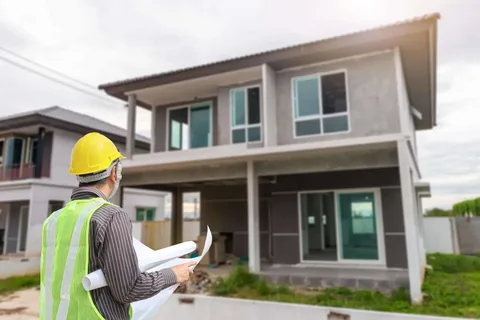
Homeowners get confused about structural engineers. Do you need one. When do you hire them. Is it separate from the architect? Does every project require one. The confusion leads some people to hire engineers they don’t need and others to skip the engineer on projects that genuinely require one.
Searching for structural engineers near me is the right move for some projects and unnecessary for others. Knowing which is which saves money and prevents problems. Here is when you actually need a structural engineer and when your architect already has it covered.
What a Structural Engineer Actually Does
A structural engineer calculates whether a building will stand up. They work out the loads, the forces, and the sizes of the structural elements needed to carry them safely. Beam sizes. Foundation depths. Column dimensions. The numbers that ensure the structure does not fail.
This is different from what an architect does. An architect designs the space, the layout, the appearance, and the function. The structural engineer makes sure the architects design can actually be built and will stand up safely.
The two roles work together. The architect designs. The engineer confirms the design is structurally sound and specifies the structural elements. On many projects both are needed. On some, the architect handles the structural aspects without a separate engineer.
The Projects That Genuinely Need an Engineer
Any project that removes or alters load bearing structure needs a structural engineer. Removing a wall between two rooms. Creating an open plan space. Adding an opening in a structural wall. These require calculating the size of the beam that replaces the wall and confirming the supports can carry the load.
Extensions that add significant load need an engineer. A double storey extension carries the weight of two floors and a roof, which means the foundations and the structural elements need proper calculation for those specific loads. A loft conversion that adds a floor needs the same. Any structure where the new loads need working out and the foundations designed accordingly.
Projects with complex structural conditions need an engineer. Building near trees on clay soil. Building over or near drains. Unusual ground conditions. Situations where the foundation design requires specialist calculation.
Anything where getting the structure wrong would be dangerous needs an engineer. The calculations are not optional on these projects. They are essential for safety and required for building regulations approval.
When Your Architect Has It Covered
Some simple projects don’t need a separate structural engineer because the structural aspects are straightforward and the architect can handle them within standard design.
A small single storey extension on simple foundations with no removal of load bearing structure might not need a separate engineer. The architect designs standard foundations and a standard roof structure using established details that dont require bespoke calculation.
Minor alterations that dont affect load bearing structure dont need an engineer. Moving a non load bearing partition. Adding a window in a non structural wall. Cosmetic changes that dont affect how the building stands up.
In these cases the architect handles the structural aspects using standard approaches. No separate engineer needed. Hiring one would be an unnecessary cost.
How Architects and Engineers Work Together
On projects that need both, the architect usually coordinates the structural engineer. You often don’t need to find the engineer yourself. The architect has engineers they work with regularly and brings them in when the project requires structural calculations.
This is the smoothest arrangement. The architect designs. They identify what needs structural input. They brief the engineer. The engineer produces the calculations. The architect incorporates them into the drawings. The two professionals coordinate so the structure and the design fit together seamlessly.
When the architect coordinates the engineer, you get a joined up service. The structural calculations match the design. The drawings are consistent. There is no gap between what the architect designed and what the engineer specified, because they worked together.
The Risk of Hiring Them Separately
Some homeowners hire a structural engineer separately, before or without an architect. This can work but it carries risks.
An engineer working without an architect calculates the structure but doesnt design the space. You get beam sizes and foundation depths but not a considered design. The structural solution might be sound but the spatial result might be poor.
There can also be coordination gaps. If the engineer and architect dont work together, their outputs might not align. The engineer specifies one thing. The architect assumes another. The builder gets conflicting information. Confusion and variations follow.
For most projects the smoothest path is to hire the architect first and let them coordinate the engineer when needed. The architect knows when structural input is required and brings in the right engineer at the right time.
What to Ask Before Hiring an Engineer
Before searching for a structural engineer separately, ask whether your project needs one and whether your architect can coordinate it.
If you have an architect, ask them. Does my project need a structural engineer. Will you coordinate them or should I find one. Most architects handle this for you, bringing in an engineer they trust when the project requires it.
If you dont have an architect yet, consider whether you need one. For anything beyond the simplest project, an architect who coordinates the structural engineer gives you a joined up service that a standalone engineer cannot.
A well coordinated extension shows the value of this. The architect designs the space, identifies the structural requirements, and works with the engineer so everything fits. The result is a design that works and a structure that stands up, with no gaps between them.
The Honest Answer
You need a structural engineer when your project removes load bearing structure, adds significant load, or involves complex structural conditions. You don’t need one for simple projects with straightforward structure that your architect can handle.
For most projects, the best approach is to hire an architect first and let them tell you whether an engineer is needed and coordinate one if so. This gives you a joined up service rather than separate professionals who might not align.
Searching for a structural engineer directly makes sense when you know you need one and don’t have an architect coordinating the project. Otherwise, let the architect manage it. They know when the calculations are essential and when the structure is simple enough to handle within standard design.
Six to eight months from first conversation to completion. The structural engineer is essential on some projects and unnecessary on others. Knowing which saves money and prevents the coordination gaps that cause problems.