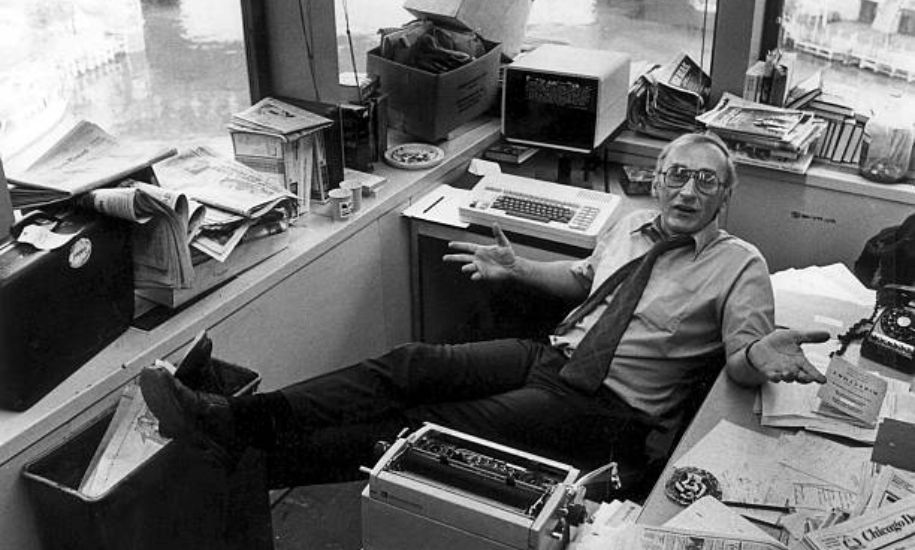
Mike Royko remains one of the most influential newspaper columnists in American history. Known for his sharp wit, fearless criticism, and deep connection to everyday people, Royko built a reputation as the voice of working-class Chicago. His columns not only entertained but also exposed political corruption, challenged authority, and captured the realities of urban life. For anyone asking “Who is Mike Royko?”, the answer goes far beyond a simple biography—he was a cultural force who shaped modern opinion journalism.
Quick Bio of Mike Royko
| Field | Details |
|---|---|
| Full Name | Michael Royko Jr. |
| Date of Birth | September 19, 1932 |
| Place of Birth | Chicago, Illinois, USA |
| Date of Death | April 29, 1997 |
| Age at Death | 64 years |
| Profession | Newspaper Columnist, Author |
| Famous For | Political commentary, Chicago-focused columns |
| Major Award | Pulitzer Prize for Commentary (1972) |
| Notable Work | Boss (1971) |
| Total Columns | 7,500+ |
Who Is Mike Royko?
Mike Royko was a Pulitzer Prize-winning columnist whose work defined urban journalism in the United States during the 20th century. Born and raised in Chicago, Royko understood the struggles, humor, and resilience of ordinary citizens. This connection became the foundation of his writing.
He began his career in the 1950s and quickly rose to prominence through his work at the Chicago Daily News, later moving to the Chicago Sun-Times, and eventually the Chicago Tribune. Over four decades, Royko produced more than 7,500 columns, many of which were syndicated across the country.
What set Royko apart was his ability to write in a voice that felt authentic and relatable. He didn’t rely on complex language or abstract ideas—instead, he wrote plainly, directly, and often humorously. His work resonated because it reflected real life, not political spin.
Mike Royko Columns: Style and Influence
Mike Royko’s columns were known for their distinctive tone and powerful impact. He had a unique ability to blend humor with serious critique, making even complex political issues understandable to the average reader.
Key Characteristics of Mike Royko Columns:
- Conversational Writing Style: Royko wrote as if he were speaking directly to the reader.
- Focus on Everyday People: His stories often centered on working-class citizens.
- Political Skepticism: He questioned authority and exposed corruption.
- Humor and Satire: Even harsh critiques were delivered with wit.
- Consistency: He wrote frequently, maintaining a strong presence in daily journalism.
Royko’s columns became a daily ritual for many readers. Whether he was discussing city politics, social issues, or even baseball, his writing always carried a sense of authenticity and honesty.
Mike Royko Best Columns and Notable Works
While Royko wrote thousands of columns, several stand out for their lasting impact and popularity.
1. Boss (1971)
Perhaps his most famous work, Boss is a detailed examination of Chicago Mayor Richard J. Daley and the city’s political machine. The book provides a deep look into how power operates behind the scenes and remains a classic in political journalism.
2. Political Commentary Columns
Royko’s political columns are widely regarded as some of his best work. He exposed corruption, criticized bureaucratic inefficiency, and challenged powerful figures without hesitation. These columns earned him the Pulitzer Prize in 1972.
3. Personal and Emotional Columns
Some of Royko’s most memorable pieces were deeply personal. One of his most famous columns followed the death of his wife, where he urged readers to express love while they still could. These columns showed a softer, more human side of his writing.
4. Chicago Life Columns
Royko had a talent for capturing the spirit of Chicago. He wrote about neighborhoods, local characters, and everyday situations in a way that made readers feel seen and understood.
Mike Royko and Politics
Mike Royko’s relationship with politics was central to his career. He was not aligned strictly with any political party; instead, he focused on truth, accountability, and fairness.
His Approach to Political Writing:
- Anti-Corruption Stance: Royko frequently exposed dishonest practices in government.
- Criticism of Political Machines: He was especially critical of Chicago’s political system.
- Independent Thinking: He did not blindly support any ideology.
- Advocacy for Citizens: His work often reflected the concerns of ordinary people rather than elites.
Royko’s political commentary made him both respected and controversial. Politicians often feared his columns because of their influence and reach. He was known to challenge even the most powerful figures without hesitation.
One notable moment in his career was his reaction to media ownership changes. When a major newspaper was acquired by Rupert Murdoch, Royko openly criticized the move, demonstrating his commitment to journalistic integrity.
Mike Royko Obituary and Public Reaction
When Mike Royko passed away in 1997, the reaction was immediate and widespread. His death marked the end of an era in American journalism.
Key Highlights from Mike Royko Obituary:
- He was remembered as the voice of Chicago.
- His columns were described as honest, fearless, and deeply human.
- Readers and fellow journalists praised his ability to connect with ordinary people.
- Many noted that his absence left a significant void in journalism.
Royko’s obituary tributes emphasized not just his professional achievements but also his personal impact. He had built a relationship with his audience that went beyond journalism—it was a bond of trust.
Mike Royko Died: Cause of Death
Mike Royko died on April 29, 1997, at the age of 64. His death was the result of complications following surgery for a brain aneurysm. He had initially been hospitalized after experiencing chest pains.
Despite medical efforts, he passed away shortly after the procedure. His death was sudden and deeply felt, especially in Chicago, where he had spent his entire life and career.
Legacy of Mike Royko
Mike Royko’s legacy continues to influence journalists, writers, and readers even decades after his death.
Lasting Impact:
- Journalistic Integrity: Royko set a high standard for honesty in reporting.
- Influence on Columnists: Many modern writers draw inspiration from his style.
- Cultural Significance: His work captured the essence of urban American life.
- Educational Value: His columns are still studied in journalism programs.
Royko proved that journalism could be both entertaining and meaningful. He showed that a columnist could challenge power while still connecting with readers on a personal level.
Conclusion
Mike Royko was more than just a columnist—he was a storyteller, a critic, and a voice for the people. His work continues to resonate because it was grounded in truth and driven by a genuine concern for society. From his sharp political commentary to his heartfelt personal columns, Royko’s writing remains timeless.
For readers and aspiring writers alike, his career offers valuable lessons in authenticity, courage, and the power of words. As journalism continues to evolve, the legacy of Mike Royko serves as a reminder of what great writing can achieve.
This article is published on Globe Gist, where we explore influential figures and stories that shape our understanding of the world.
You may also read: Neil Sheehan: Pentagon Papers Journalist and His Lasting Legacy