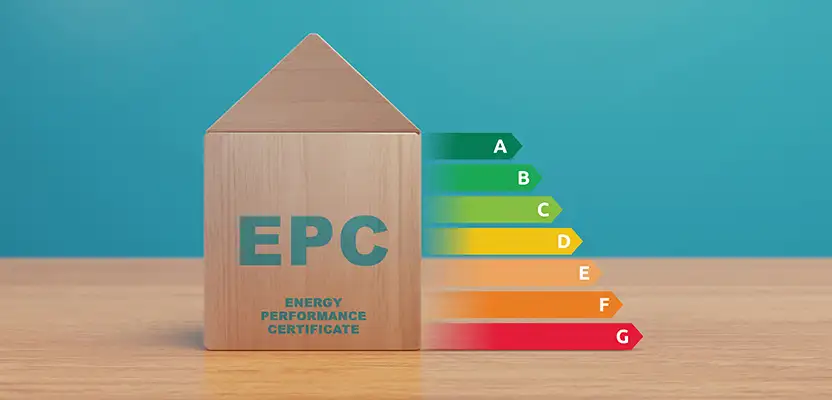
Energy efficiency has become an increasingly important consideration in the UK property market, whether you are buying, selling, or renting. At the centre of this is the Energy Performance Certificate (EPC)—a document that provides insight into a property’s energy efficiency and environmental impact.
Despite its growing importance, many homeowners and tenants are still unsure about what an EPC actually means, how it is used, and why it matters. In this guide, we’ll break down common myths and provide a clear, practical understanding of EPCs and their role in today’s property landscape.
Myth 1: An EPC Is Just a Legal Requirement
While it is true that an EPC is required when selling or renting a property in the UK, it serves a much broader purpose.
More than just compliance
An EPC provides:
- A rating of your property’s energy efficiency (from A to G)
- Estimated energy costs
- Recommendations for improving efficiency
For buyers and tenants, this information can influence decision-making, particularly as energy costs remain a key concern.
Myth 2: A High EPC Rating Doesn’t Affect Property Value
Some homeowners assume that EPC ratings have little impact on property value or demand. In reality, energy efficiency is becoming a significant factor for many buyers and tenants.
Why EPC ratings matter
- Lower energy bills make properties more attractive
- Environmentally conscious buyers prioritise efficiency
- Future regulations may favour higher-rated properties
Professionals such as estate agents in Southampton City often note that properties with better EPC ratings tend to generate stronger interest in the market.
Myth 3: Improving Your EPC Rating Is Expensive
A common misconception is that improving an EPC rating requires major renovations. While large upgrades can make a difference, smaller changes can also have a meaningful impact.
Simple ways to improve your EPC rating
- Installing LED lighting
- Adding loft or wall insulation
- Upgrading to a more efficient boiler
- Sealing draughts around doors and windows
These improvements can enhance both your EPC rating and the overall appeal of your property without requiring significant investment.
Myth 4: EPCs Are Only Relevant for Sellers
While EPCs are essential when selling a property, they are equally important for landlords and tenants.
Why EPCs matter for landlords and tenants
- Landlords must meet minimum EPC standards to legally let a property
- Tenants can use EPC ratings to estimate energy costs
- Buyers can assess long-term affordability
Understanding EPC requirements helps ensure compliance and informed decision-making across all types of property transactions.
Myth 5: All EPC Assessments Are the Same
Although EPCs follow a standardised format, the assessment process can vary depending on the property.
What affects an EPC rating?
- Property size and layout
- Insulation levels
- Heating systems
- Windows and glazing
Each of these factors contributes to the final rating, meaning two similar properties can still have different EPC scores.
Myth 6: You Don’t Need to Renew Your EPC
An EPC is valid for 10 years, but this does not mean you should ignore it until it expires.
When to update your EPC
If you make significant improvements to your property—such as installing new insulation or upgrading heating systems—it may be worth obtaining a new EPC to reflect these changes.
An updated certificate can improve your property’s appeal when selling or renting.
Myth 7: EPC Recommendations Are Optional and Unimportant
While EPC recommendations are not mandatory, they should not be overlooked.
The value of recommendations
These suggestions are designed to:
- Improve energy efficiency
- Reduce running costs
- Enhance comfort within the property
Following these recommendations can provide both short-term and long-term benefits.
Myth 8: A Low EPC Rating Means You Can’t Sell or Rent
A lower EPC rating does not prevent you from selling a property, but it can present challenges.
Understanding the implications
- Properties with low ratings may attract less interest
- Landlords must meet minimum standards to rent out a property
- Buyers may factor in the cost of improvements
Improving your rating—even slightly—can make a noticeable difference in marketability.
Myth 9: EPCs Are Difficult to Understand
Some people find EPC documents confusing, but they are designed to be user-friendly.
Breaking down the EPC
An EPC includes:
- A clear rating scale (A to G)
- Estimated energy costs
- Suggested improvements and their potential impact
Taking a few minutes to review your EPC can provide valuable insights into your property’s performance.
Myth 10: EPCs Don’t Influence Long-Term Decisions
As the UK moves towards greater energy efficiency and sustainability, EPCs are becoming increasingly important.
Looking ahead
- Regulations may become stricter
- Buyers and tenants are becoming more energy-conscious
- Energy-efficient homes are likely to remain in higher demand
Staying informed about your EPC can help you future-proof your property and maintain its value.
Conclusion: Making the Most of Your EPC
Understanding your property’s Energy Performance Certificate is an essential step in navigating the modern property market. Far from being just a legal requirement, an EPC provides valuable insights that can influence everything from energy costs to buyer interest.
By challenging common myths and taking a proactive approach, homeowners and landlords can use their EPC to enhance property value, improve efficiency, and meet evolving market expectations. Whether you are preparing to sell, rent, or simply improve your home, your EPC is a powerful tool that should not be overlooked.
With energy efficiency continuing to shape the future of property, understanding and optimising your EPC is a smart and practical investment.