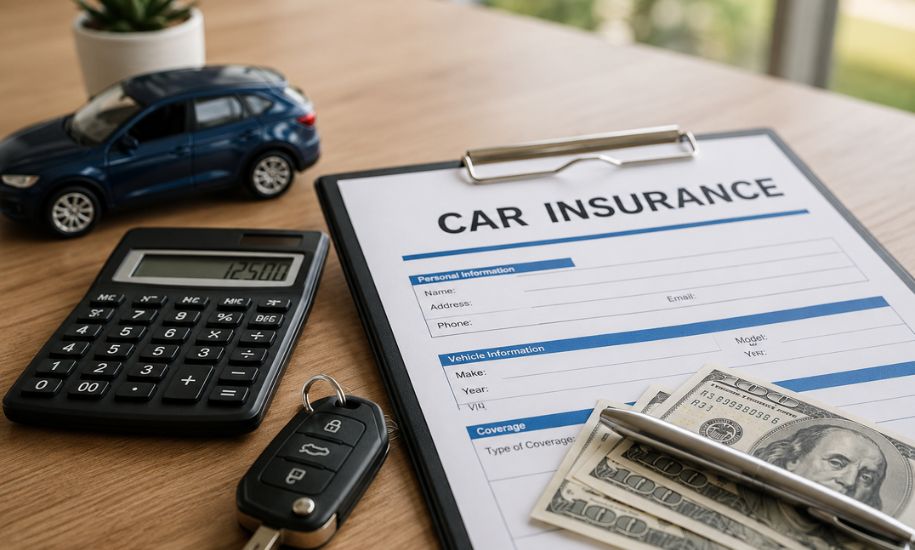
The cost of your car insurance does not have to be entirely out of your control. You can still take practical steps to reduce what you pay. Many drivers accept renewal quotes without checking whether they can secure a better deal elsewhere, while others overlook details that insurers use to assess risk.
By taking a more active approach to your cover vehicle and driving habits, you can often find worthwhile savings without sacrificing the protection you need.
Shop around and review your policy before renewal
Insurers calculate risk in different ways, so the cheapest provider for one driver may not offer the best deal for another. If you simply allow your policy to renew, you could miss out on a more competitive premium elsewhere.
Compare quotes from several insurers a few weeks before your renewal date. Use comparison websites as a starting point but also check insurers that sell policies directly to customers. When you review quotations, look beyond the headline price. A lower premium may come with a higher excess, reduced cover levels or fewer optional benefits.
You should also examine your existing policy carefully. If your circumstances have changed, updating your address, estimated annual mileage, parking location or occupation could affect your premium. At the same time, remove optional extras that no longer provide value if you can obtain similar cover elsewhere.
Improve vehicle security and reduce risk
Insurers prefer drivers who take sensible steps to protect their vehicles because lower theft and damage risks often lead to fewer claims.
Installing an approved alarm, immobiliser or vehicle tracker can make your car less attractive to thieves. Where possible, park on a driveway or in a secure garage overnight rather than leaving your vehicle on the street. Even small changes to where and how you store your car can influence the way insurers assess risk.
The type of vehicle you drive also plays a major role. Cars with smaller engines, lower repair costs and strong safety ratings often attract lower premiums. If you plan to replace your current vehicle, research insurance groups before making a purchase so you understand the likely running costs.
Build a stronger insurance profile
Your insurance history helps insurers predict the likelihood of future claims. Drivers who demonstrate lower risk over time often benefit from cheaper cover.
Protecting your no-claims discount can help preserve valuable savings that you have built over several years. Avoid making small claims when the repair cost sits close to your excess, as a claim can increase future premiums and affect your discount.
Adding an experienced named driver may reduce costs in some situations because it can improve the overall risk profile of the policy. However, you should always list the main driver accurately, as incorrect information can create problems if you need to make a claim.
Consider telematics and other cost-saving options
Technology now gives insurers a clearer picture of how people drive, creating opportunities for careful motorists to pay less.
Explore telematics policies if you drive responsibly and feel comfortable sharing driving data. These policies use a device or mobile app to monitor factors such as speed, braking and mileage. Safe driving habits often lead to lower premiums at renewal.
You can also consider increasing your voluntary excess if you could comfortably cover a higher contribution towards a claim. In addition, paying annually rather than monthly may reduce your overall costs because many insurers apply interest or finance charges to instalment plans. Taking time to assess these options can help you find meaningful savings while maintaining appropriate cover for your needs.
You may also visit: Finance.