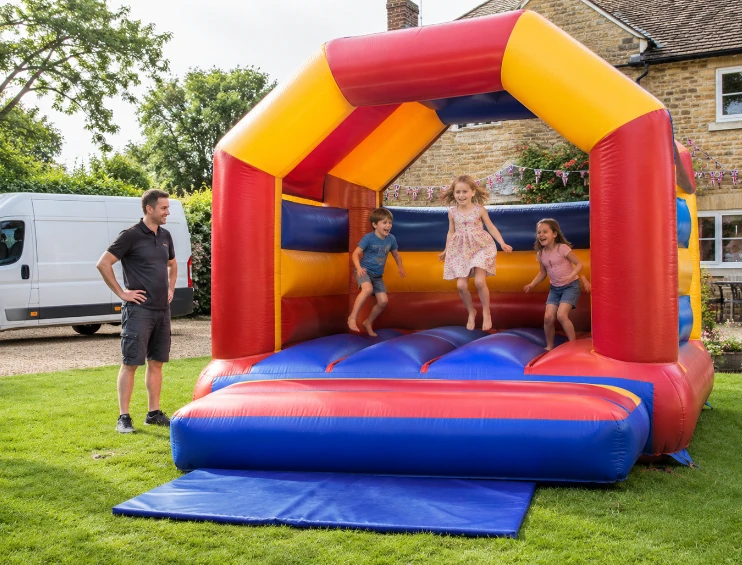
Buying a bouncy castle and hiring it out for children’s parties might seem like an easy way to make some extra money. After all, once you’ve bought the equipment, you can use it for one booking after another.
But running a hire business involves more than turning up with a castle at the weekend. There’s insurance to pay for, equipment to maintain, deliveries to organise and the occasional booking cancelled because of bad weather.
So, can a bouncy castle hire business still make a decent profit in the UK? It can, but much depends on what you buy, how often it gets hired and how carefully you manage the costs.
There’s Demand, but It Isn’t the Same Everywhere
Birthday parties are the obvious starting point, but they’re only part of the market. Schools hire inflatables for summer fairs, community groups organise family fun days, and some businesses book larger attractions for staff events.
The mix of customers depends heavily on where you operate.
In a residential area with plenty of young families, smaller bouncy castles may be the most frequently requested equipment. A company working with schools or event organisers could find more opportunities with obstacle courses, inflatable slides and interactive games.
It’s worth checking what local hire companies already offer. If several businesses have the same popular castles, buying another identical design may leave you competing mainly on price.
Indoor bookings are worth considering, particularly during the colder months. But a castle that fits comfortably in someone’s garden may be too tall for the local village hall. Ceiling heights, door widths and available floor space should all be checked before purchasing equipment intended for indoor hire.
Schools and community events also tend to concentrate around particular dates. A hire company might receive several enquiries for the same summer weekend, followed by a much quieter period. Having enough equipment to accept more bookings sounds appealing, but those extra inflatables still need storing and maintaining when demand drops.
The Purchase Price Is Only the Beginning
One mistake new operators can make is calculating earnings based purely on the purchase price of a bouncy castle.
Imagine charging £100 for a booking. Eight hires would bring in £800, which sounds encouraging until you account for fuel, cleaning, labour, insurance and the time spent delivering and collecting the equipment.
Those figures are only an example, not a typical UK rental rate.
Some bookings will be more profitable than others. A delivery five minutes away is very different from a job that involves an hour’s drive, difficult access and two people to move the equipment.
Even when two bookings fall on the same Saturday, they aren’t necessarily easy to manage together. Collection times may overlap, venues may be miles apart, and an inflatable cannot be promised to another customer until there’s enough time to collect, inspect and prepare it.
It’s also worth calculating how many bookings you would need to recover the initial investment.
For example, suppose a commercial bouncy castle costs £1,500 and each hire leaves £60 after direct expenses. You would need 25 bookings just to recover the equipment’s purchase price. Insurance, storage, advertising and other fixed costs would still need to be covered.
These are hypothetical figures, but they illustrate why turnover alone doesn’t tell you whether the business is making money.
When looking at commercial bouncy castles for sale, it’s worth paying attention to the material, stitching, overall weight and how easily the unit can be cleaned or repaired. A design that’s reliable and manageable on a busy weekend may be worth more to a hire company than one that simply looks impressive in a catalogue.
Storage is another expense that’s easily overlooked. A single castle might fit comfortably in a garage, but several large inflatables, blowers, mats and other equipment soon take up considerable space.
Would a Bigger Range Bring More Bookings?
Not necessarily.
A small hire company with three well-chosen inflatables could have a healthier booking calendar than a business with ten units that rarely leave storage.
Before ordering another castle, look back at the enquiries you’ve had to turn down.
Have parents been asking for castles with slides? Are local schools looking for something suitable for older pupils? Have event organisers requested games or attractions that you don’t currently offer?
Those requests can tell you more about your next purchase than a supplier’s latest catalogue.
A combo unit might be a useful addition for children’s parties, while an inflatable obstacle course could appeal to schools and community events. Larger attractions can also help a business reach new customers, although they often require more space, additional staff and longer setup times.
It’s sensible to compare different types of commercial inflatable attractions before expanding, rather than choosing equipment purely because it’s bigger or more colourful.
There’s no need to buy everything at once. Keeping a record of customer requests over several months can reveal which additions are most likely to earn their place in your inventory.
The Weather Can Ruin a Busy Weekend
Anyone who’s organised an outdoor event in Britain knows how quickly the forecast can change.
A sunny Friday doesn’t guarantee a dry Saturday, and strong winds can make an outdoor inflatable unsafe to operate.
For a small hire business, losing several bookings over one wet weekend can make a noticeable difference to monthly income. It’s worth allowing for these quieter periods when planning cash flow, rather than assuming every available weekend will be fully booked.
A clear weather policy also helps avoid disagreements over deposits, refunds and last-minute changes. Customers should know what happens if conditions prevent the equipment from being used safely.
Safety needs just as much attention as the financial side.
Commercial inflatable operators in the UK should understand the applicable requirements of BS EN 14960 and the Health and Safety Executive’s guidance on inflatable play equipment.
This includes suitable anchoring, safe operating conditions, supervision and appropriate inspection arrangements. Equipment should undergo the necessary initial and periodic inspections, with checks before use and maintenance records kept as appropriate.
Meeting a product standard alone doesn’t replace the operator’s responsibility to set up and supervise equipment safely.
These arrangements take time and money, but they need to be included in the business plan from the beginning, even if you’re starting with only one or two castles.
Getting Customers to Book Again
A new hire business doesn’t necessarily need a huge advertising budget.
A clear website, accurate photographs and a well-maintained Google Business Profile are a sensible starting point. Parents often want straightforward answers: Will the castle fit in the garden? What happens if it rains? How long does setup take?
Making that information easy to find can save a surprising amount of back-and-forth.
Local relationships matter as well. Schools, community centres and event organisers may need inflatables regularly, and a good experience can turn a one-off booking into something more consistent.
There’s also value in remembering previous customers. A family that booked a castle for a birthday party last summer may be planning another celebration this year. They already know your service, so giving them a reason to return can be easier than finding someone completely new.
Turning up when promised, bringing clean equipment and dealing calmly with unexpected problems are all things customers remember.
If a parent has had a trouble-free birthday party, there’s a good chance they’ll remember who supplied the castle when the next one comes around.
So, Is It Worth Starting?
A bouncy castle hire business can still be profitable in the UK, but it isn’t quite the effortless weekend income that it might appear to be.
Starting with a couple of suitable inflatables, keeping costs under control and expanding when bookings justify it is a more sensible approach than investing heavily from day one.
After all, having a warehouse full of castles means very little if most of them are sitting there every weekend.
You may also visit: Business.