Fire Protection Offline? Hospital Fire Watch Covers Critical System Outages

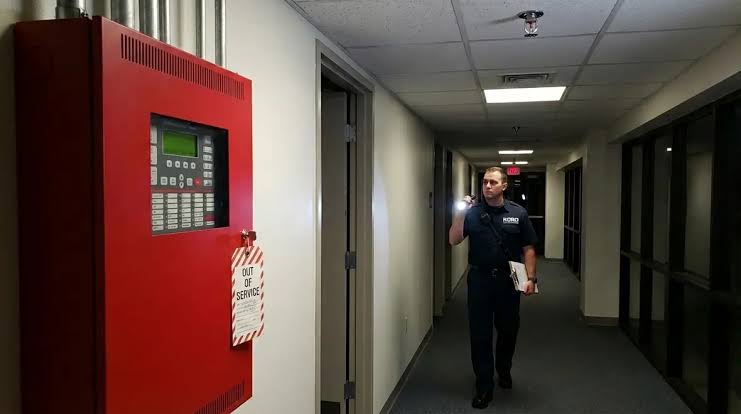
A hospital sprinkler system rarely fails at a convenient hour. Pipe repairs and alarm faults can silence protection overnight. Patients, however, cannot simply walk out during that gap. Plenty rely on ventilators, IV pumps, or sedation. Moving them can cause more harm than a small fire. Here, a trained healthcare facility fire watch steps in. Patrols, logs, and rapid alerts stand in for automatic detection. Code triggers, patrol routines, and staffing choices shape that response.
Code Thresholds Trigger Mandatory Patrol Coverage
Timing decides when patrols become required. NFPA 25 sets a 10-hour sprinkler outage limit. That window counts any 24-hour period. Fire alarm systems face a tighter four-hour limit. Once either threshold passes, hospitals evacuate or post a watch. Evacuating an intensive care unit carries its own risks. Patrols become the only workable choice.
What Does a Hospital Fire Patrol Do?
Duties go far beyond walking hallways.
- Guards check every affected room on set rounds.
- Each patrol entry gets logged with exact times.
- Watchers carry radios linked to the hospital operator.
- Portable extinguishers stay staged near high-risk zones.
- Exit paths get cleared whenever carts block them.
Kitchens and oxygen storage areas earn extra attention.
Joint Commission Expects Interim Life Safety Measures
Accreditation adds a second layer of scrutiny. Surveyors look for documented interim life safety measures, or ILSM. Those measures pair with a healthcare facility fire watch during deficiencies. Records must show who patrolled, when, and what was found. Missing logs can turn a manageable repair into a citation. Surveyors treat blank log entries as missed rounds.
Can Nurses Handle Fire Watch Duties Themselves?
On paper, staff already know the building. In practice, nurses cannot leave patients for hourly rounds. A watch demands undivided focus, not split attention. Dedicated guards trained in hospital protocols avoid that conflict. Outsourcing also scales quickly when one outage spreads across floors. Contract guards bring documented training records surveyors can verify.
Which Outages Call for Immediate Patrols?
Planned and unplanned failures both qualify.
- Sprinkler valves close for main line work.
- Alarm panels lose power unexpectedly.
- Renovation dust forces detectors offline.
- Fire pumps fail during testing.
- Kitchen suppression systems need recharging.
Planned shutdowns deserve watch staff booked in advance.
The Ten-Hour Clock Favors Prepared Hospitals
Ten hours seems generous until a valve breaks overnight. Repair crews, parts, and permits rarely align that fast. Hospitals with standing watch contracts never scramble for coverage. For them, the four-hour alarm limit is a scheduling detail. Without that agreement, the same deadline becomes a likely citation. Preparation, in other words, turns a code deadline into routine maintenance.
FAQs
How long can a hospital sprinkler system stay offline without a fire watch?
NFPA 25 allows an impairment of up to 10 hours in any 24-hour period. Past that point, the hospital must evacuate affected areas or post trained patrols until full protection returns.
Does a fire alarm outage follow the same rule?
No, alarm systems carry a stricter four-hour threshold under NFPA 101 and NFPA 72. Even brief outages deserve written records, since surveyors review impairment history during every accreditation visit.
Who should receive notice when protection goes offline?
The local fire department and the authority having jurisdiction need prompt notification of any impairment. Insurance carriers and the hospital’s own safety officer should hear about it the same day.
Is a fire watch required during construction projects?
Yes, whenever renovation work disables sprinklers or detectors beyond code limits. Hot work like welding or cutting can also call for a dedicated watch, even with every system fully active.
What qualifications should a hospital fire watch guard have?
Guards should hold fire watch or fire safety training recognized by the local authority, plus solid extinguisher handling skills. Familiarity with hospital settings matters too, since patrols move through patient areas, sterile zones, and oxygen-rich rooms daily.