Preparing for areola reduction surgery involves more than just scheduling the procedure. Proper planning, understanding the surgical process, and making informed lifestyle adjustments can significantly improve safety, healing, and final results. While some patients may also be exploring related body contouring concerns such as neck fat removal, it is important to focus specifically on preparation steps for areola surgery to ensure a smooth and successful experience.
What Is Areola Reduction Surgery?
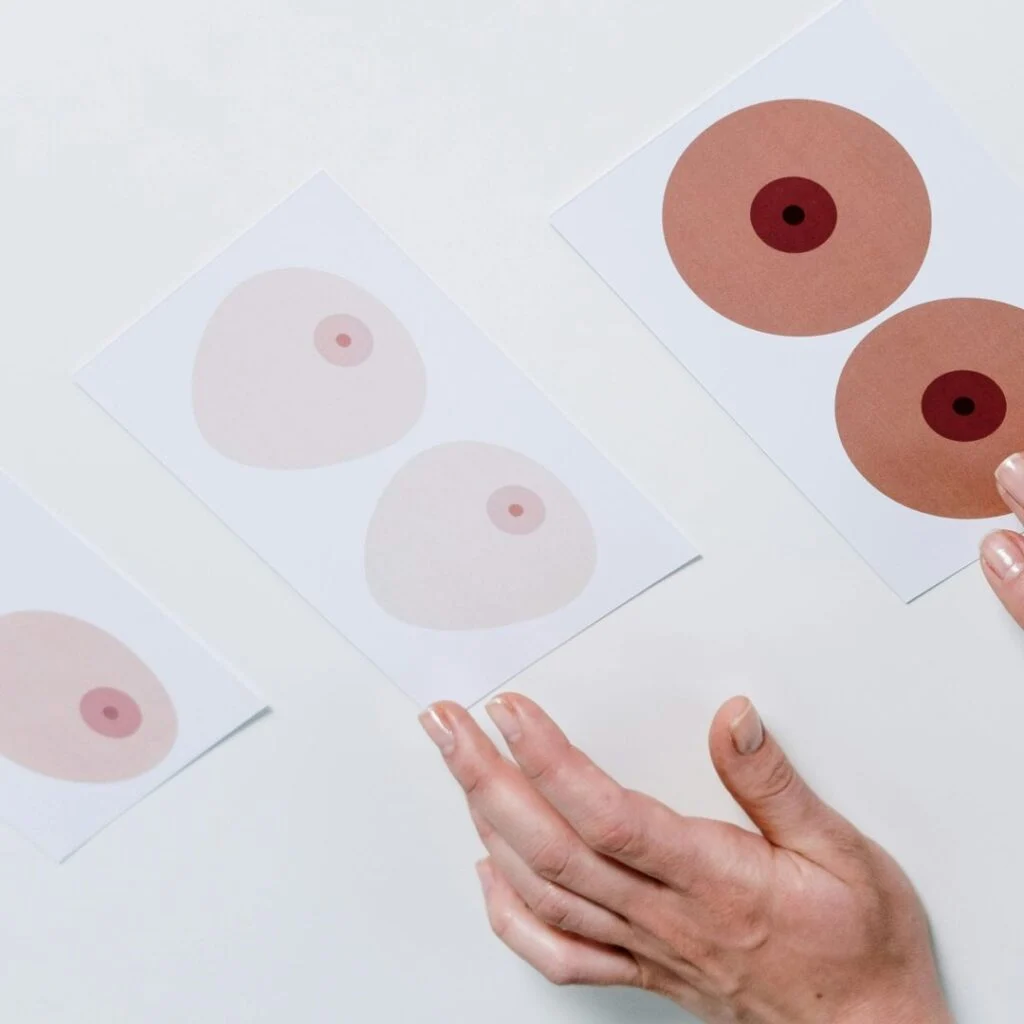
Areola reduction surgery is a cosmetic procedure designed to reduce the diameter of the areola (the pigmented area surrounding the nipple). It is commonly performed to improve breast symmetry, proportion, or aesthetic balance.
Common Reasons For The Procedure
- Naturally large or stretched areolas
- Changes after pregnancy or breastfeeding
- Asymmetry between areolas
- Changes following weight fluctuations or surgery
The goal is to create a more balanced and proportionate breast appearance.
Understand The Surgical Process
Before preparing, it is important to understand how the procedure is performed.
Basic Surgical Steps
- A circular incision is made around the outer edge of the areola
- Excess pigmented skin is removed
- The remaining skin is carefully reshaped and sutured
- The size and shape are adjusted for symmetry
The procedure is usually performed under local or general anaesthesia depending on complexity.
Attend A Detailed Consultation

A consultation is one of the most important preparation steps.
What Your Surgeon Will Assess
- Breast shape and symmetry
- Skin elasticity
- Areola size and proportion
- Medical history and overall health
This stage ensures the procedure is appropriate and tailored to your anatomy.
Be Honest About Your Medical History
Providing accurate medical information is essential for safety.
Important Information To Share
- Current medications and supplements
- Previous breast surgeries
- Allergies or medical conditions
- Smoking or alcohol habits
This helps reduce risks and supports a smoother recovery.
Stop Smoking Before Surgery
Smoking can negatively affect healing and increase complications.
Why It Matters
- Reduces blood flow to healing tissues
- Slows recovery
- Increases risk of complications
Patients are usually advised to stop smoking several weeks before surgery.
Avoid Certain Medications And Supplements
Some substances can increase bleeding risk during surgery.
Common Examples
- Aspirin
- Anti-inflammatory medications
- Blood-thinning supplements (e.g., fish oil, vitamin E)
Always consult your surgeon before stopping any prescribed medication.
Maintain A Stable And Healthy Weight
Weight fluctuations can affect surgical outcomes.
Why Stability Matters
- Helps maintain breast proportion
- Supports consistent healing
- Reduces risk of tissue changes post-surgery
A stable weight improves long-term results.
Follow Pre-Surgery Skincare And Hygiene Guidelines
Proper skin preparation helps reduce infection risk.
Typical Instructions
- Keep the chest area clean
- Avoid applying lotions or creams on the day of surgery
- Follow any antiseptic cleansing instructions
Good hygiene supports safe surgical conditions.
Prepare For Recovery Time
Although areola reduction surgery is generally straightforward, recovery still requires planning.
What To Expect
- Mild swelling and bruising
- Temporary sensitivity or discomfort
- Small dressings or bandages
- Limited physical activity for a short period
Recovery Tips
- Arrange time off work
- Avoid strenuous exercise
- Wear supportive clothing if advised
Planning ahead helps reduce stress after surgery.
Choose Comfortable Clothing For Surgery Day
Clothing can affect comfort after the procedure.
Recommended Options
- Loose-fitting tops
- Button-down shirts
- Soft, breathable fabrics
Avoid tight or restrictive clothing that may irritate the area.
Arrange Transportation After Surgery
Even though the procedure may be minimally invasive, you may still feel drowsy after anaesthesia.
Practical Advice
- Arrange someone to drive you home
- Avoid travelling alone if possible
- Rest immediately after returning home
This ensures a safe and comfortable discharge experience.
Understand Healing And Results Timeline
Recovery and final results take time to develop.
Typical Healing Phases
- First few days: swelling and mild discomfort
- 1–2 weeks: initial healing and suture settling
- Several months: scar maturation and final shape refinement
Understanding this timeline helps set realistic expectations.
Follow All Post-Surgery Instructions
Aftercare is essential for optimal healing.
Key Instructions May Include
- Keeping the area clean and dry
- Avoiding pressure on the chest
- Attending follow-up appointments
- Monitoring for signs of infection
Careful adherence improves healing outcomes.
Be Aware Of Scarring
Scarring is a natural part of areola reduction surgery, but it typically fades over time.
What To Expect
- Fine circular scar around the areola edge
- Gradual fading over several months
- Improved appearance as healing progresses
Proper aftercare can help minimise visible scarring.
Understand Risks And Considerations
Like any surgical procedure, there are potential risks.
Possible Risks
- Infection
- Asymmetry
- Changes in sensation
- Delayed healing
- Visible scarring
Choosing an experienced surgeon reduces these risks significantly.
Consider Emotional And Psychological Preparation
Cosmetic surgery can also have emotional impacts.
Helpful Mindset Tips
- Set realistic expectations
- Understand gradual improvement over time
- Focus on long-term results rather than immediate changes
Being mentally prepared supports a more positive experience.
Maintain Overall Health Before Surgery
General health plays a key role in recovery.
Helpful Habits
- Eat a balanced diet
- Stay hydrated
- Get adequate sleep
- Manage stress levels
A healthy body heals more efficiently after surgery.
Conclusion

Preparing for areola reduction surgery safely involves careful planning, lifestyle adjustments, and clear communication with your surgeon. From attending a detailed consultation to following pre- and post-operative instructions, each step plays an important role in achieving safe healing and natural-looking results.
While concerns such as neck fat removal may relate to broader aesthetic goals, focusing on proper preparation for this specific procedure ensures better outcomes, reduced risks, and a smoother recovery journey.