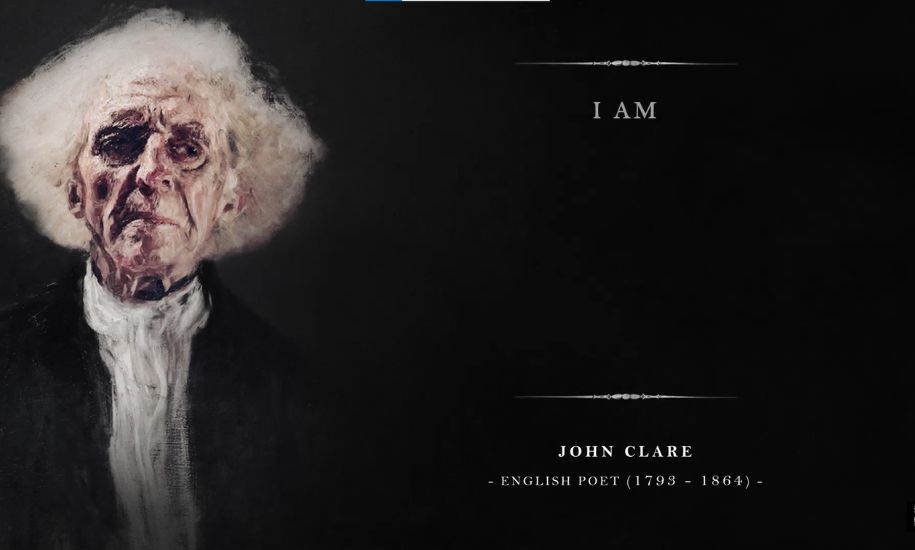
John Clare was a 19th-century English Romantic poet often known as the “Peasant Poet.” Born into a poor farming family in rural England, Clare rose from agricultural labor to literary recognition. Unlike many of his contemporaries, he did not come from privilege or elite education. Instead, his poetry emerged directly from lived experience — the fields, hedgerows, birds, and seasons of the English countryside.
Today, Clare is widely regarded as one of the most important nature poets in English literature. His work captures the beauty of rural landscapes while also expressing themes of identity, loss, alienation, and mental struggle.
Many people searching “John Clare Wikipedia” encounter a detailed record of his humble beginnings, literary success, and tragic mental health decline. But beyond encyclopedic summaries, Clare’s emotional intensity and authenticity are what continue to resonate with modern readers.
Quick Bio
| Field | Details |
|---|---|
| Full Name | John Clare |
| Born | 13 July 1793 |
| Birthplace | Helpston, Northamptonshire, England |
| Died | 20 May 1864 |
| Occupation | Poet |
| Literary Movement | Romanticism |
| Famous For | Nature poetry, rural life depiction, poem “I Am” |
| Notable Books | Poems Descriptive of Rural Life and Scenery (1820) |
| Popular Poems | I Am, First Love, Emmonsail’s Heath in Winter |
Early Life and Background
John Clare was born in Helpston, a small village in Northamptonshire. His father was a farm laborer, and Clare received only a basic formal education. However, he developed a deep love for reading and poetry from an early age. Inspired by folk songs and rural traditions, he began writing poems as a teenager.
Clare worked as a ploughboy and farmhand, gaining firsthand knowledge of nature’s rhythms — something that would later define his poetic voice. His understanding of plants, birds, seasons, and agricultural life gave his poetry extraordinary realism and accuracy.
Literary Career and Books
Clare’s literary breakthrough came in 1820 with the publication of his first book, Poems Descriptive of Rural Life and Scenery. The collection received significant attention in London literary circles. Critics admired his fresh, unpolished voice and vivid countryside imagery.
Major Books by John Clare
Poems Descriptive of Rural Life and Scenery (1820)
The Village Minstrel (1821)
The Shepherd’s Calendar (1827)
The Rural Muse (1835)
Despite early success, Clare struggled financially. Changing literary tastes and poor management left him in debt. Unlike aristocratic poets of the era, Clare lacked social connections and financial security.
John Clare Poems List (Selected)
John Clare wrote hundreds of poems. Here are some of the most notable and widely studied works:
“I Am”
“First Love”
“Emmonsail’s Heath in Winter”
“The Yellowhammer’s Nest”
“The Mores”
“To an Early Primrose”
“The Nightingale’s Nest”
“Autumn”
“The Shepherd’s Calendar” (long-form poetic work)
His poetry often focused on:
Nature and rural landscapes
The impact of industrialization
Personal identity
Emotional isolation
Mental anguish
John Clare’s Most Famous Poem: “I Am”
Clare’s most famous and emotionally powerful poem is “I Am.” Written during his time in an asylum, the poem explores themes of identity, loneliness, and existential despair.
The opening line is unforgettable:
“I am: yet what I am none cares or knows.”
This poem reflects Clare’s mental suffering and isolation. It is often studied in literature courses for its psychological depth and raw honesty. Unlike his earlier nature poetry, “I Am” is intensely personal and introspective.
Many readers searching “John Clare I Am” are drawn to this poem because it feels timeless — speaking directly to modern struggles with identity and alienation.
Mental Health and Later Years
Clare suffered from severe mental health issues beginning in the 1830s. He experienced delusions and emotional breakdowns, eventually being admitted to an asylum in 1837. He later moved to Northampton General Lunatic Asylum, where he spent much of his remaining life.
Even during institutionalization, Clare continued writing poetry. His asylum poems, including “I Am,” are considered some of his greatest works.
He died in 1864 at the age of 70 and was buried in his birthplace of Helpston.
John Clare and LinkedIn Searches
In modern times, searches for “John Clare LinkedIn” often stem from confusion, as LinkedIn profiles typically belong to contemporary professionals sharing the same name. The historical John Clare, of course, predates social media by nearly two centuries.
However, the search trend reflects ongoing interest in his name and legacy. Literary scholars, educators, and poetry enthusiasts continue to discuss his work across digital platforms, academic forums, and cultural networks.
John Clare in Popular Culture: Penny Dreadful
John Clare’s name reached a new generation of audiences through the TV series Penny Dreadful. In the show, the Frankenstein creature adopts the name “John Clare” after discovering the poet’s works.
The character, portrayed by Rory Kinnear, connects deeply with Clare’s poem “I Am.” The choice of name symbolizes themes of loneliness, identity, and existential struggle — mirroring the poet’s own life experiences.
This cultural reference introduced Clare’s poetry to viewers unfamiliar with 19th-century literature, significantly expanding his modern audience.
Style and Themes in John Clare’s Poetry
Clare’s poetry is distinctive for several reasons:
1. Realistic Nature Description
Unlike Romantic poets who idealized nature, Clare described it precisely and scientifically. His observations of birds, plants, and seasonal changes were accurate and grounded.
2. Rural Working-Class Voice
Clare wrote from the perspective of someone who lived rural hardship, not as an outside observer. This authenticity sets him apart from poets like Wordsworth or Keats.
3. Language and Dialect
He often used local dialect and unconventional spelling, preserving the speech patterns of his region.
4. Themes of Displacement
The enclosure movement — which privatized common lands — deeply affected Clare. Many of his poems mourn the loss of communal rural spaces.
Legacy and Modern Reputation
For decades after his death, Clare was underappreciated. However, 20th-century literary critics re-evaluated his work, recognizing him as a major Romantic poet.
Today:
His poems are included in school and university curricula.
Literary societies preserve his legacy.
His birthplace cottage is a heritage site.
Scholars view him as an early voice of environmental awareness.
Clare’s influence extends beyond literature into environmental studies, psychology, and working-class history.
Why John Clare Still Matters
John Clare remains relevant because he speaks to universal human experiences:
Feeling unseen or misunderstood
Struggling with mental health
Watching beloved landscapes disappear
Searching for identity
His poem “I Am” continues to resonate in a digital age where questions of identity and belonging are central concerns.
Unlike many poets of his era, Clare’s voice feels startlingly modern. His vulnerability, honesty, and connection to nature make his work timeless.
Conclusion
John Clare’s journey from farm laborer to celebrated poet is one of resilience and artistic brilliance. His works document not just the English countryside, but the human condition itself.
From his early nature poems to the haunting lines of “I Am,” Clare’s writing bridges centuries. Whether discovered through academic study, online searches like “John Clare Wikipedia,” curiosity about “John Clare books,” or even via Penny Dreadful, his legacy continues to grow.
As readers rediscover his work, John Clare stands not merely as a “peasant poet,” but as one of the most emotionally authentic voices in English literature.
This article is published for literary readers and cultural explorers by Globe Gist, dedicated to insightful biographies and historical deep dives.
You may also read: Colette Hiller: From Aliens Star to Cultural Innovator